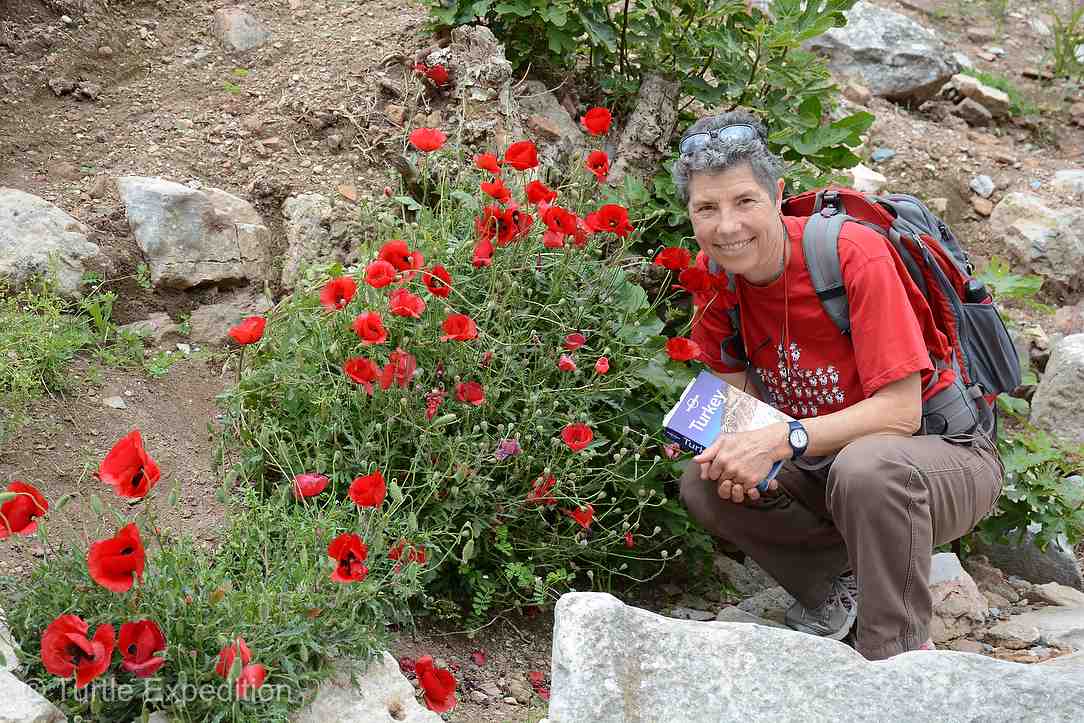


Ephesus 1, Turkey 10 – 5/2014
Ephesus, the Ancient City in Anatolia.
Sorry, more ruins, but really, this one is amazing. Aside from its physical presence, its history is fascinating.
In the Neolithic age the area surrounding Ephesus was already inhabited about 6000 BC. Must have been a nice place even back then. As time marched on, Ephesus was built on the site of the former Arzawan capital by Greek colonists. During the Classical Greek era it was one of the twelve cities of the Ionian League. Greek historians reassigned the city’s mythological foundation to Ephos, queen of the Amazons, a race of women warriors. Amazons, according to legend, also invented the Cavalry who fought mounted on horseback.
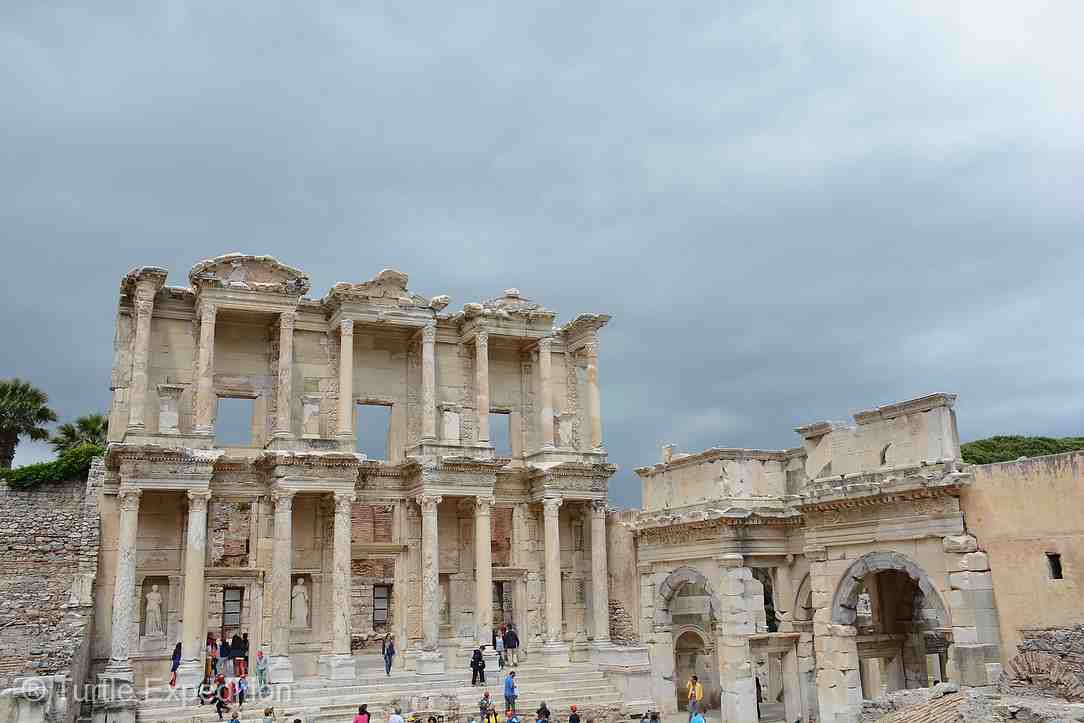
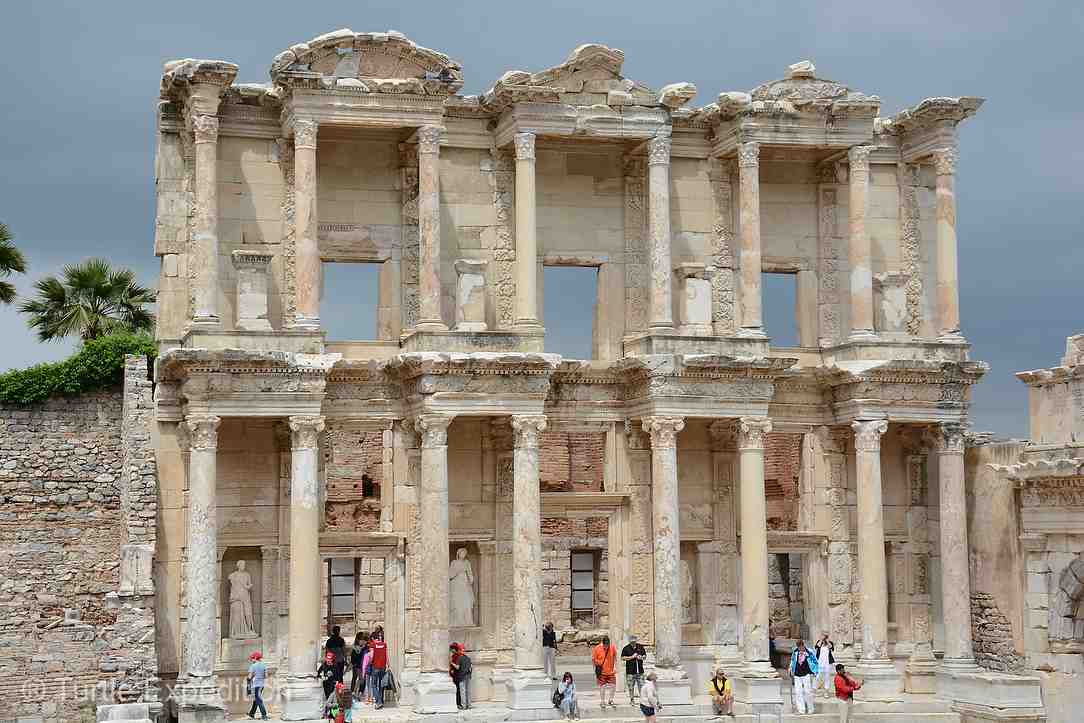
The famous Library of Celcus in Ephesus held 12,000 scrolls.
Then came the Romans, back to the Greeks, back to the Romans, the Cimmerians, the Goths, the Lydians, to the Persians, a series of tyrants, to the Arabs, the Ionians back to the Greeks, and finally to the Ottomans. All this following a number of wars and battles and sacks under the commands of a dozen or more generals, kings, queens, warlords, revolting mobs and emperors, including Alexander the Great. Even Genghis Khan may have stopped by for a piece of the action. Throw in a couple of major earthquakes and the list of conquests and disasters is longer than your arm.
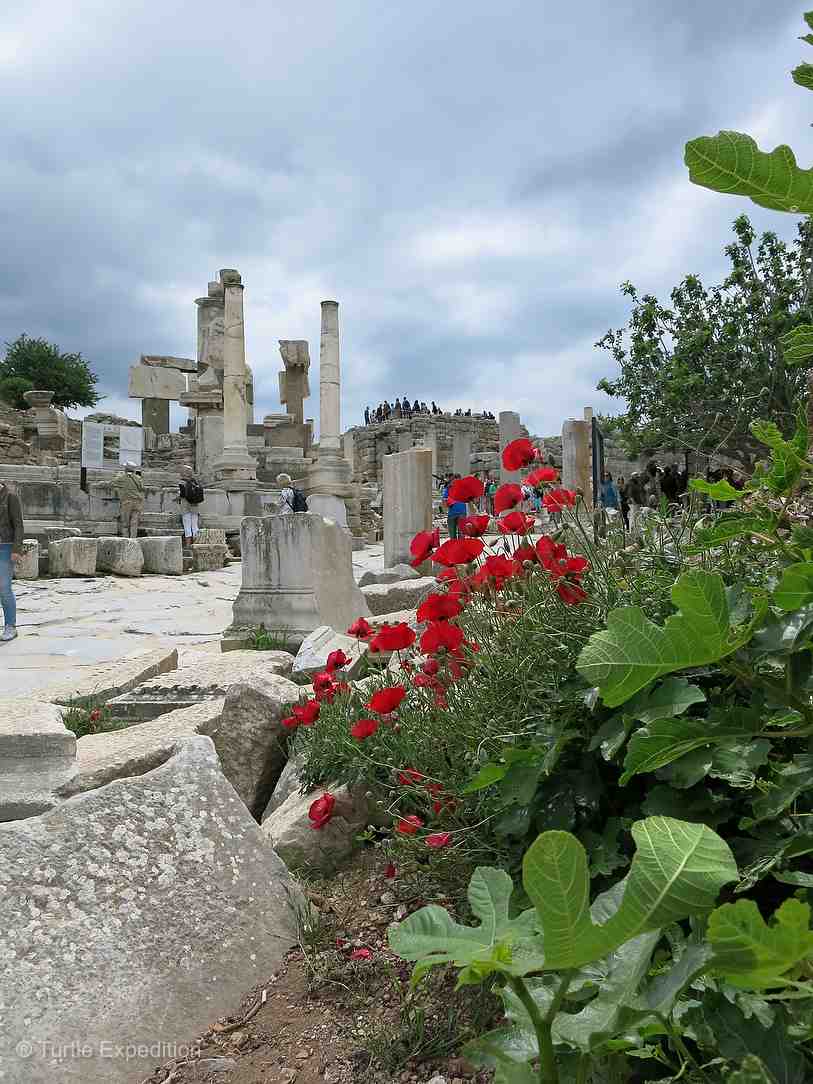
Ephesus is one of the most important attractions in Turkey.
Ephesus was one of the seven cities of Asia that are cited in the Book of Revelation. The Gospel of John may have been written here. The city was the site of several 5th century Christian Councils. The House of Virgin Mary has been considered to be the last home of Mary, mother of Jesus. It is a popular place of Catholic pilgrimage that has been visited by three recent Popes.
The city’s importance as a commercial center declined as the harbor was slowly silted up by the Kücükmenderes River. The resulting marshes caused malaria and many deaths among the inhabitants. The Turkey coastline is now 3-4 km (2 mi) away from the ancient Greek site with sediments filling the plain and the Mediterranean Sea.
The famous Temple of Artemis, completed around 550 BC, was said to be one of the Seven Wonders of the Ancient World. The Goths destroyed the temple in 268 AD, but Emperor Constantine the Great rebuilt some of it only to have it destroyed by a mob in 401 AD led by St. John Chrysostom, Archbishop of Constantinople (now Istanbul).
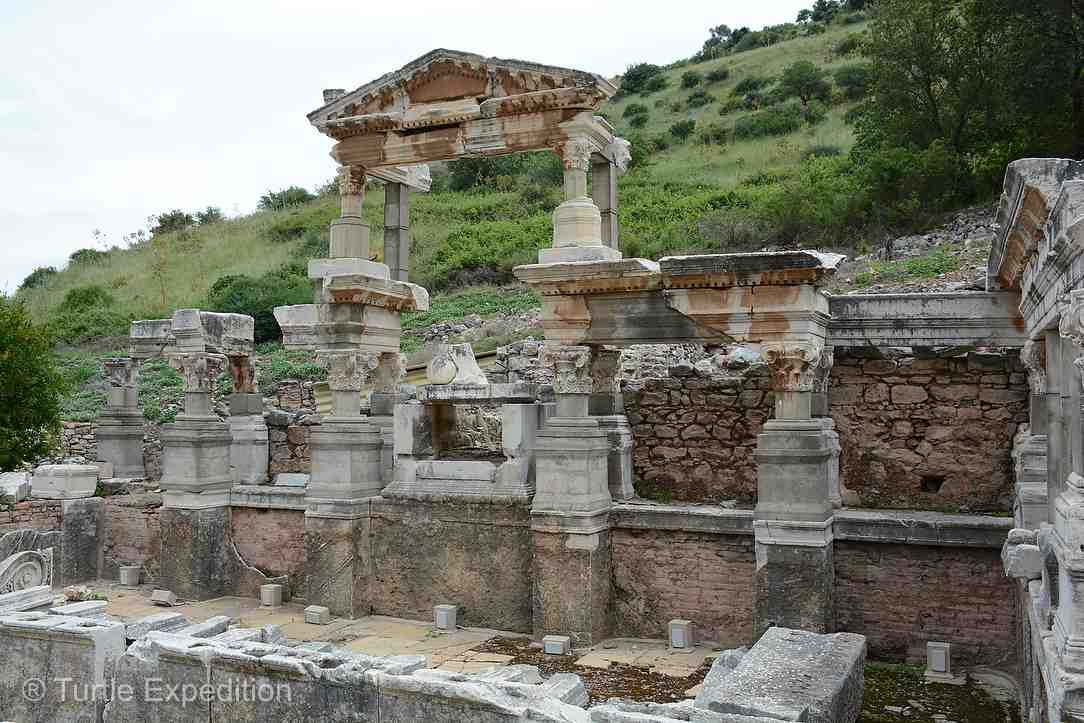
The Fountain of Trajan built around 104 AD is one of the finest monuments in Ephesus.
During one of its many periods, Ephesians were surprisingly modern in their social relations. They allowed strangers to integrate, education was valued, and the city became a bastion of women’s rights. Ephesus even had female artists.
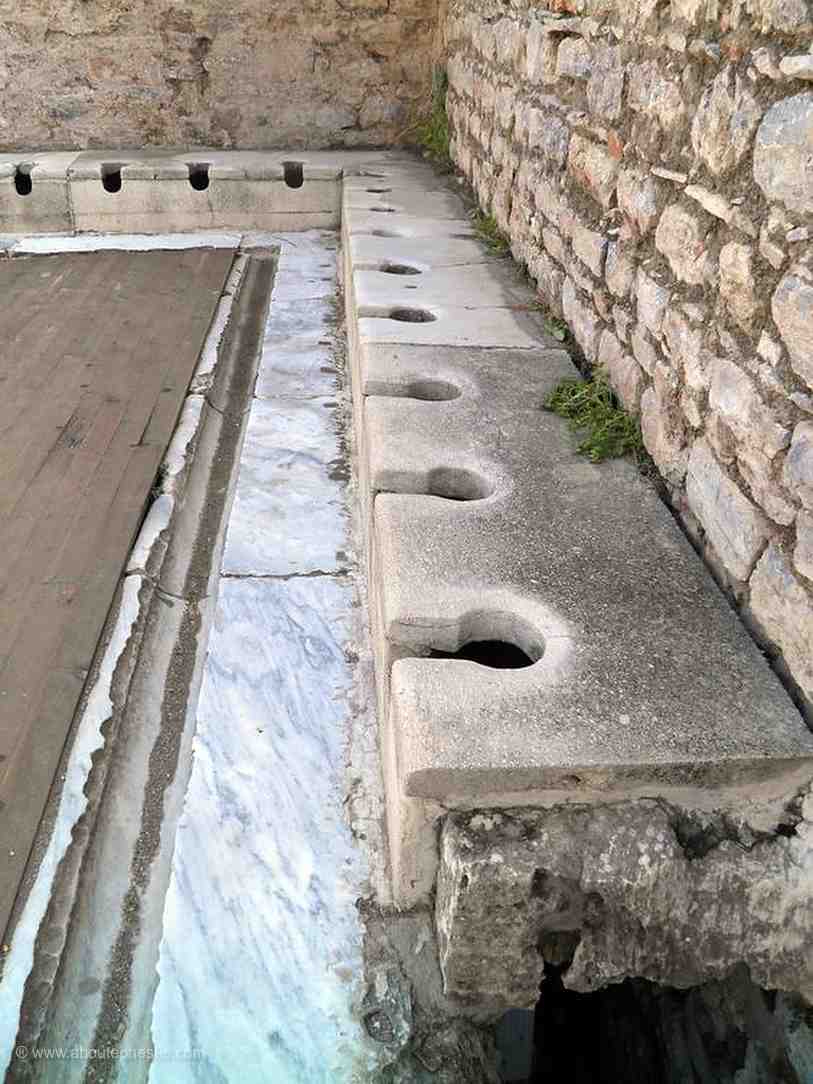
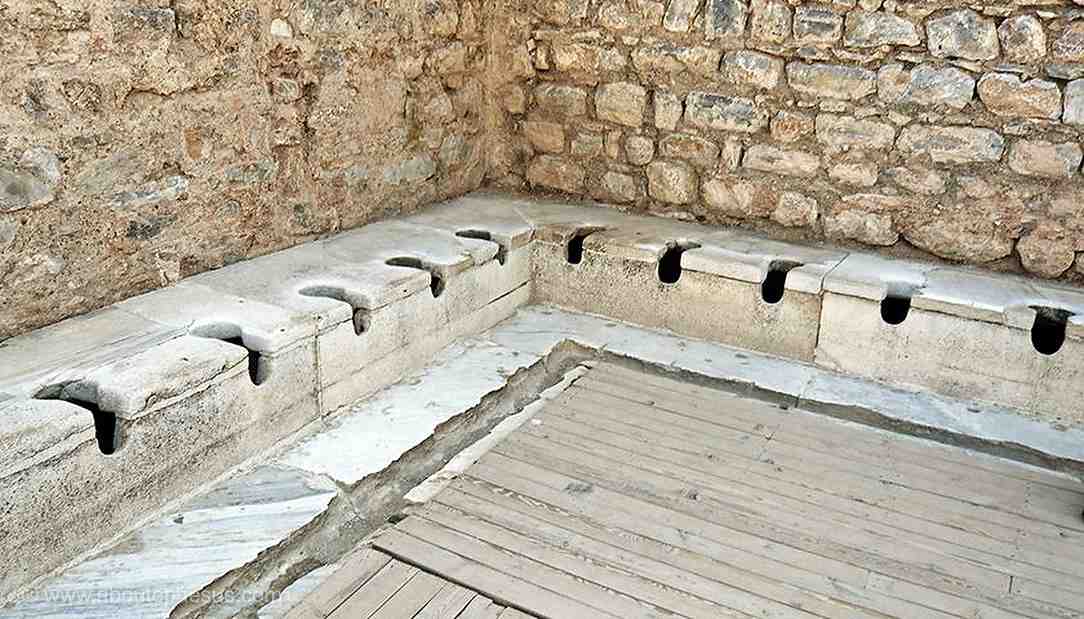
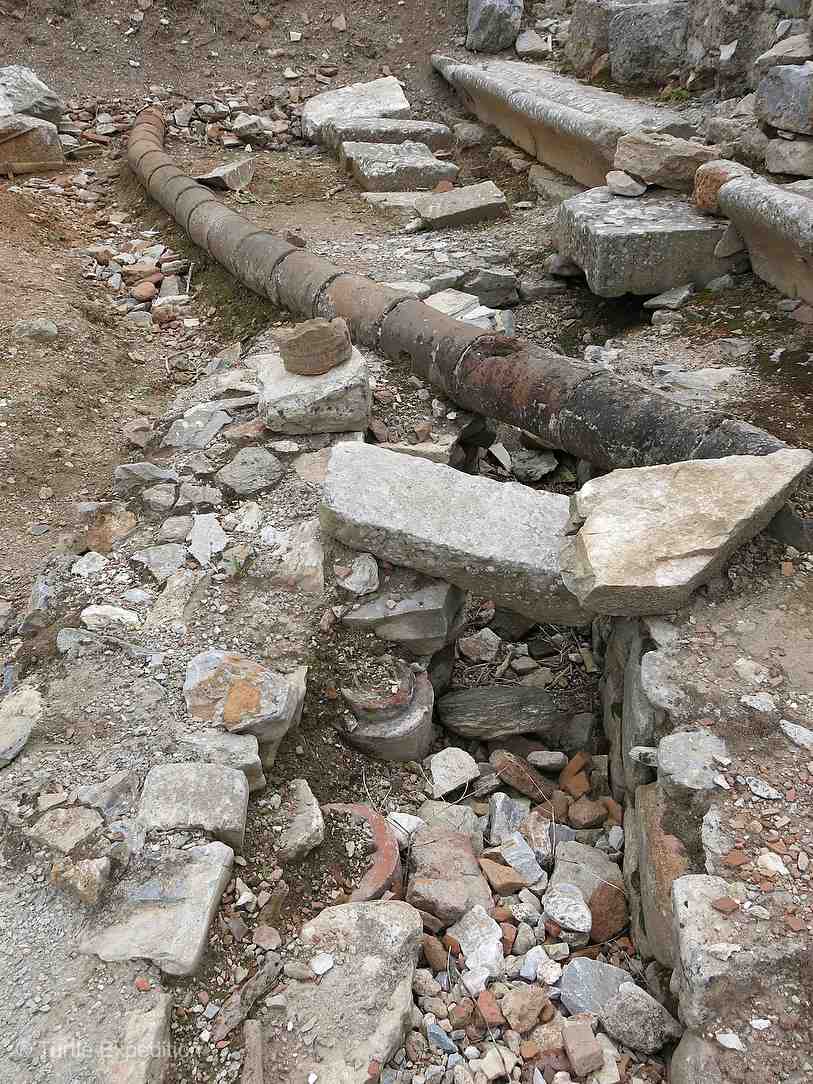
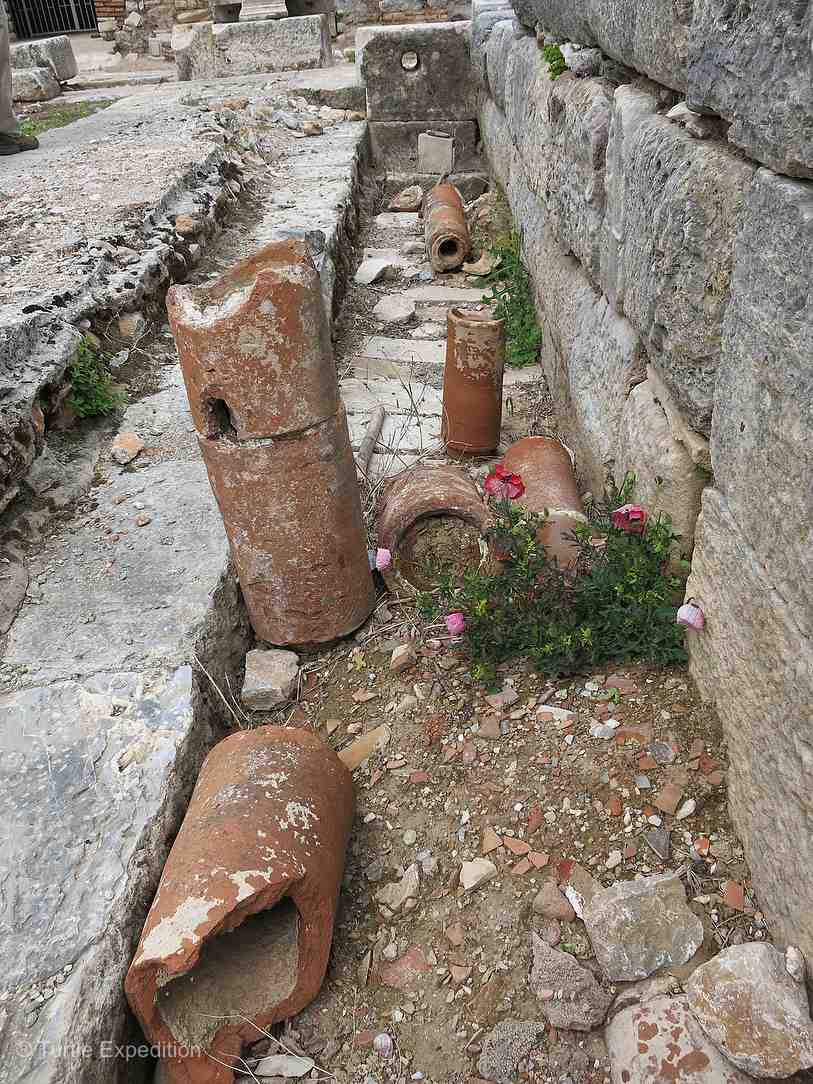
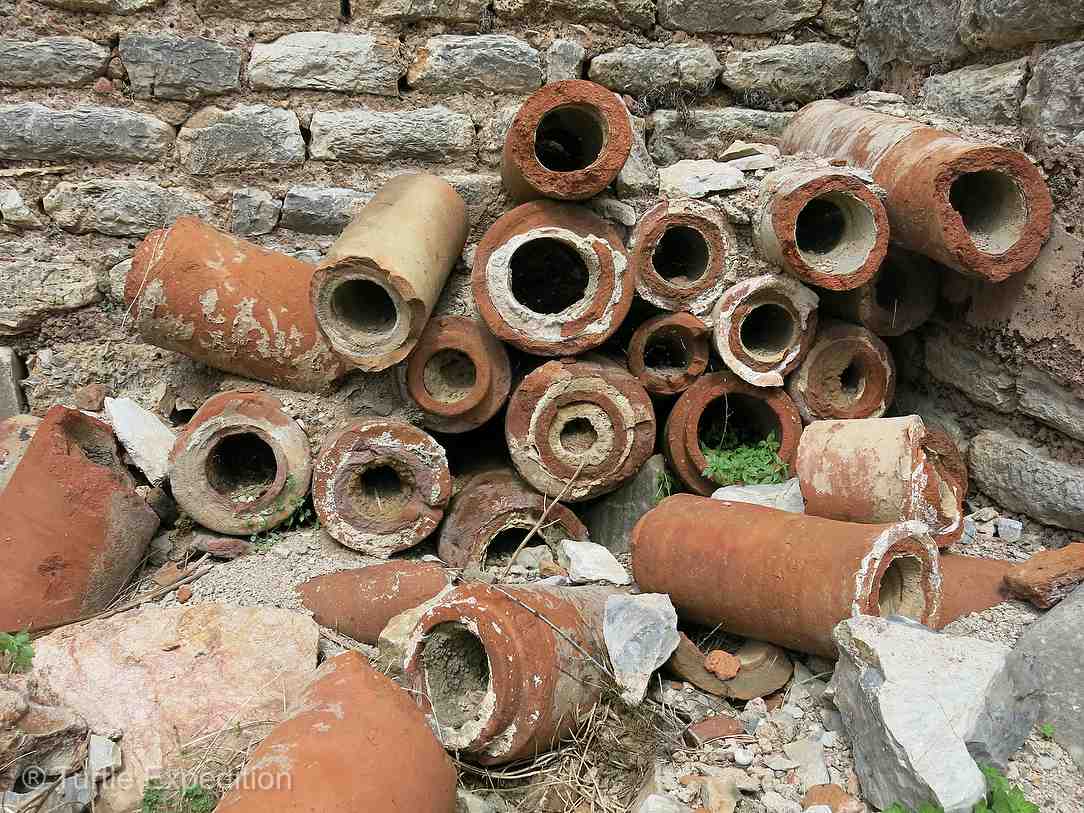
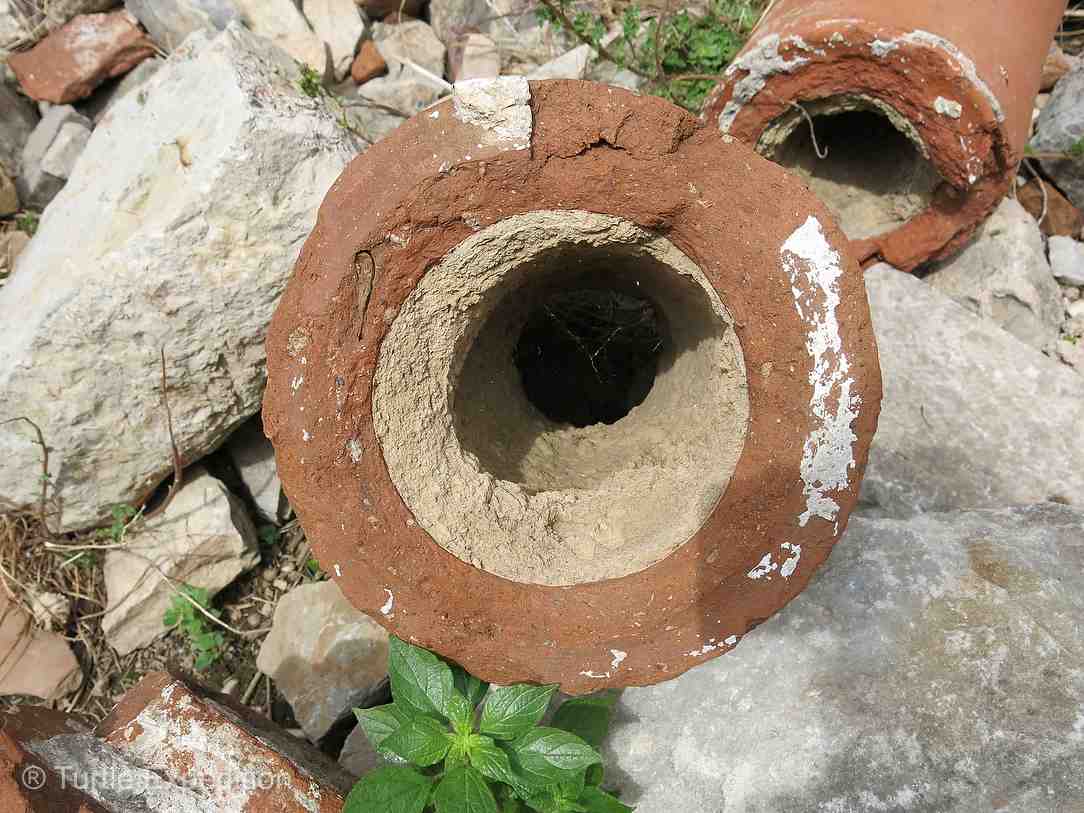
The city had one of the most advanced waters systems in the ancient world, with multiple aqueducts of various sizes to supply different areas of the city. They fed a number of water mills, one of which has been identified as a sawmill for marble. Ephesus also constructed an effective sewer system and municipal latrines. A series of 36 holes designed to handle your business stretched across three long benches, and a trough where relatively clean water flowed near your feet.
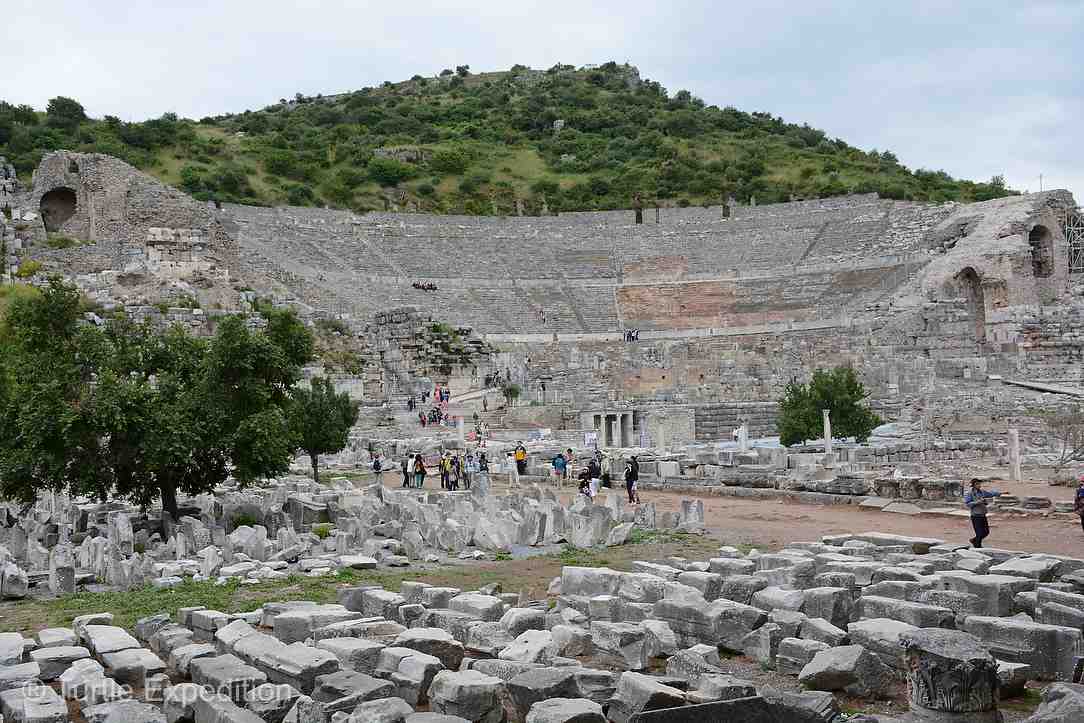
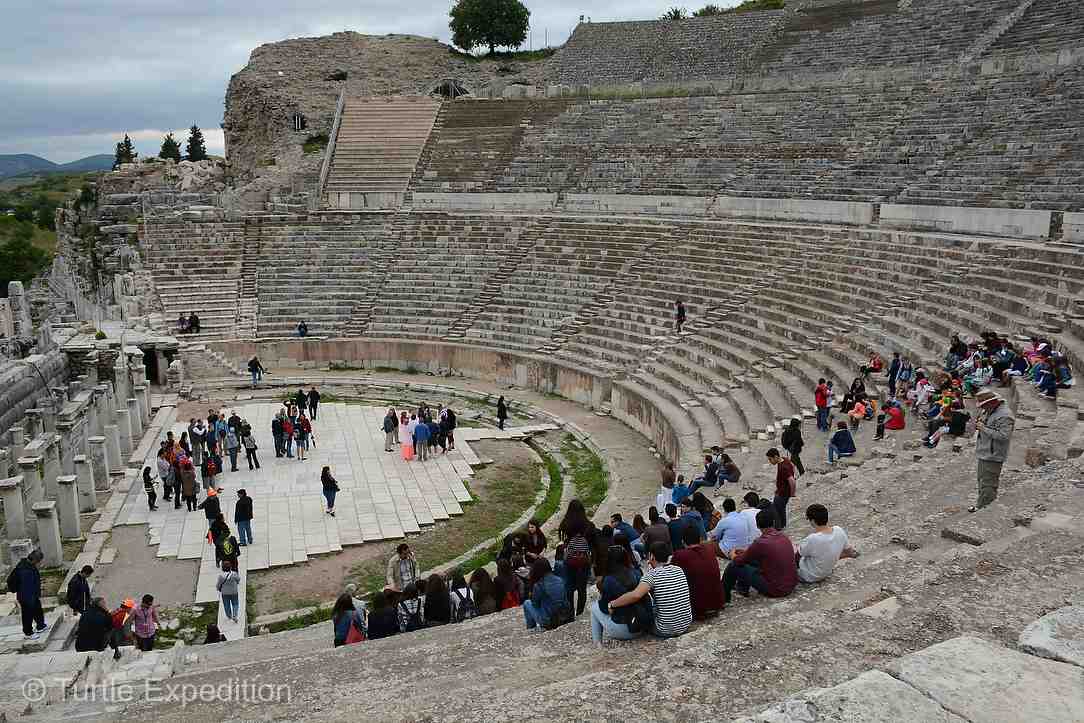
The Grand Theater is the largest in Anatolia with a capacity of 25,000 spectators. It was not only used for concerts and plays, but also for religious, political and philosophical discussions and for gladiator and animal fights.
Today Ephesus contains the largest collection of Roman ruins in the Eastern Mediterranean. Only an estimated 15% has been excavated. As we wandered through the ruins that are visible, we could imagine some idea of the city’s original splendor. The names associated with some of the statues and monuments are evocative of its former life.
-
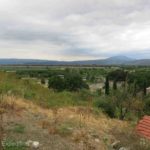
- In the distance, the marshland was once an active commercial harbor before it was slowly silted up by the Kücükmenderes River.
-
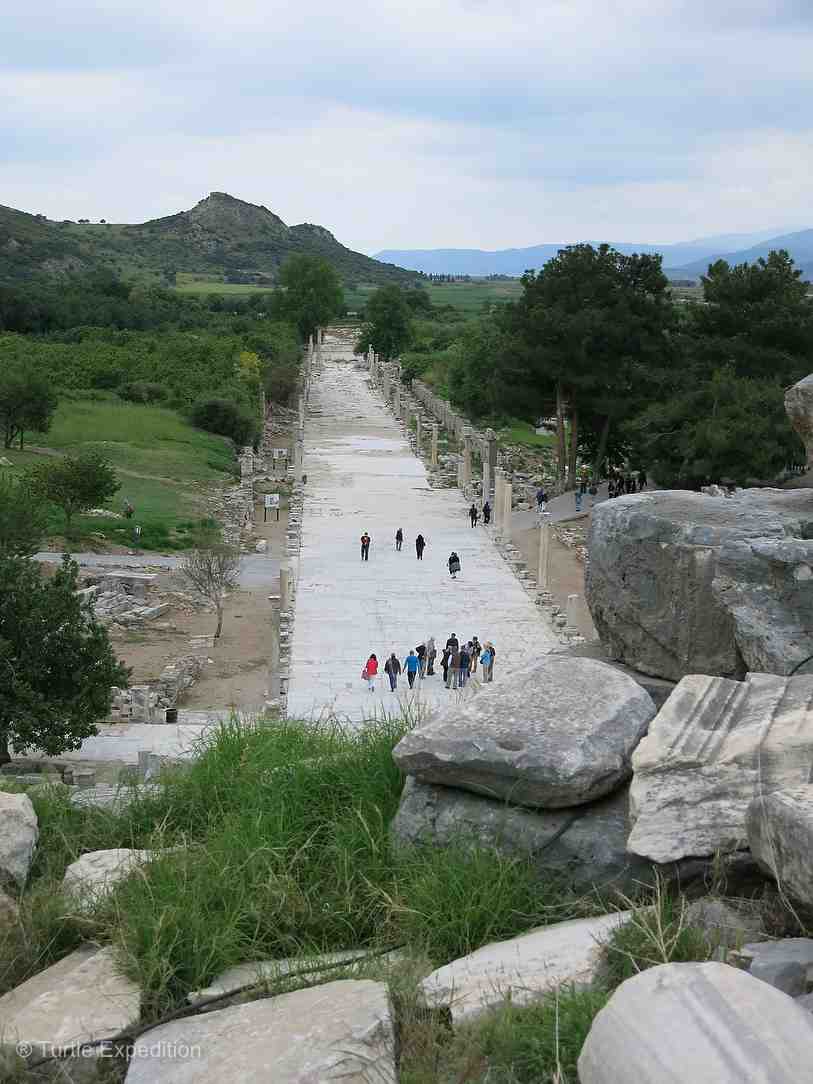
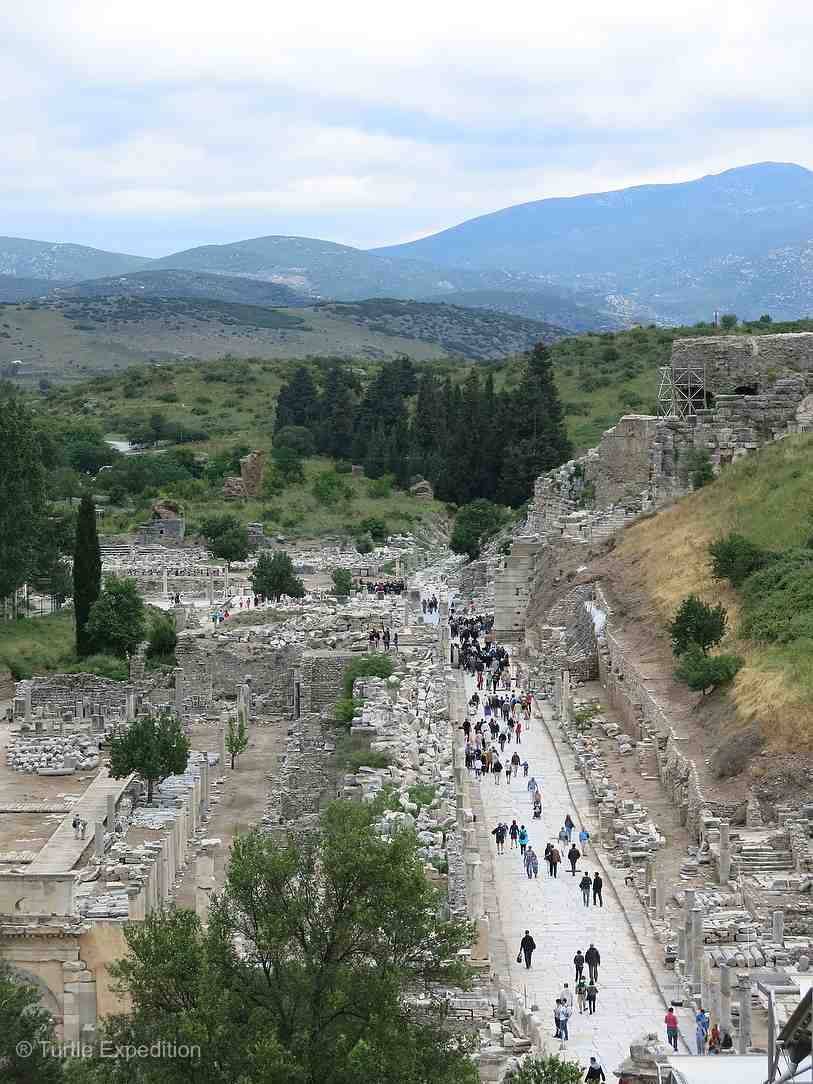
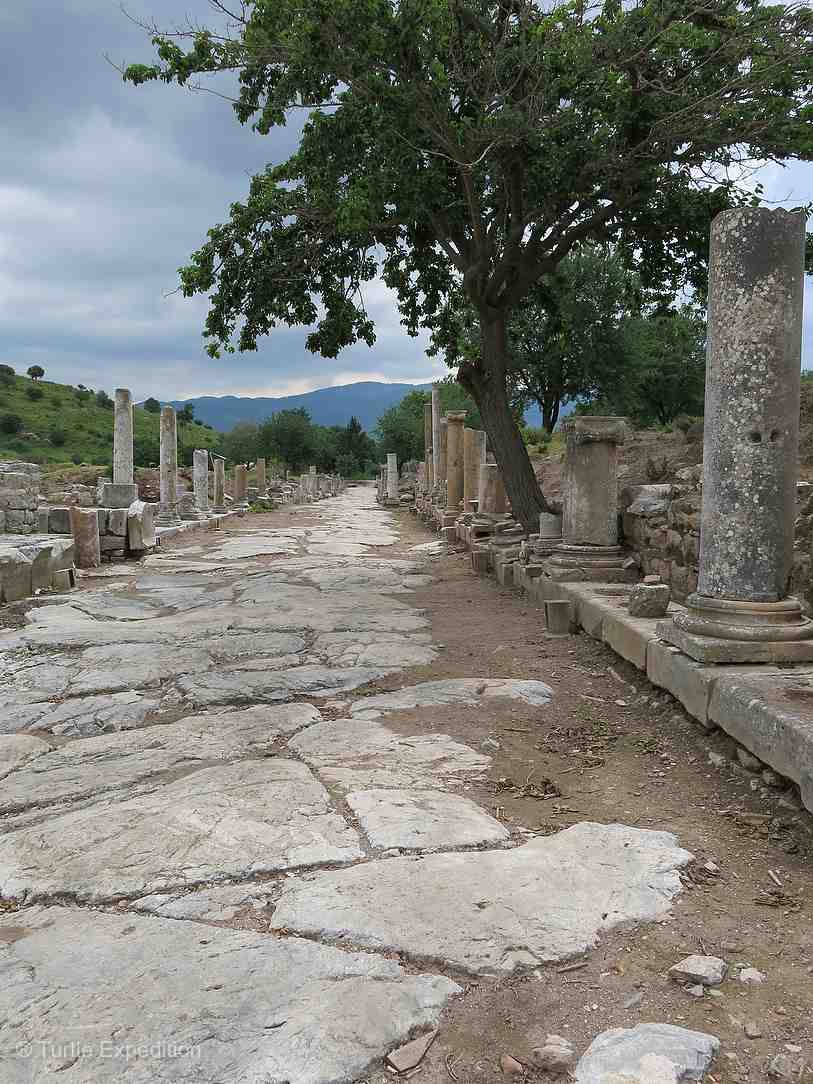
- The Harbor Street was the grand entry to Ephesus and the Great Theater.
-
- The “Marble Street” was once lined with shops and the main market of the city, so named because it was paved with blocks of marble.
-
- The Great Theatre dominates the view down Harbor Street, which lead to the sea.
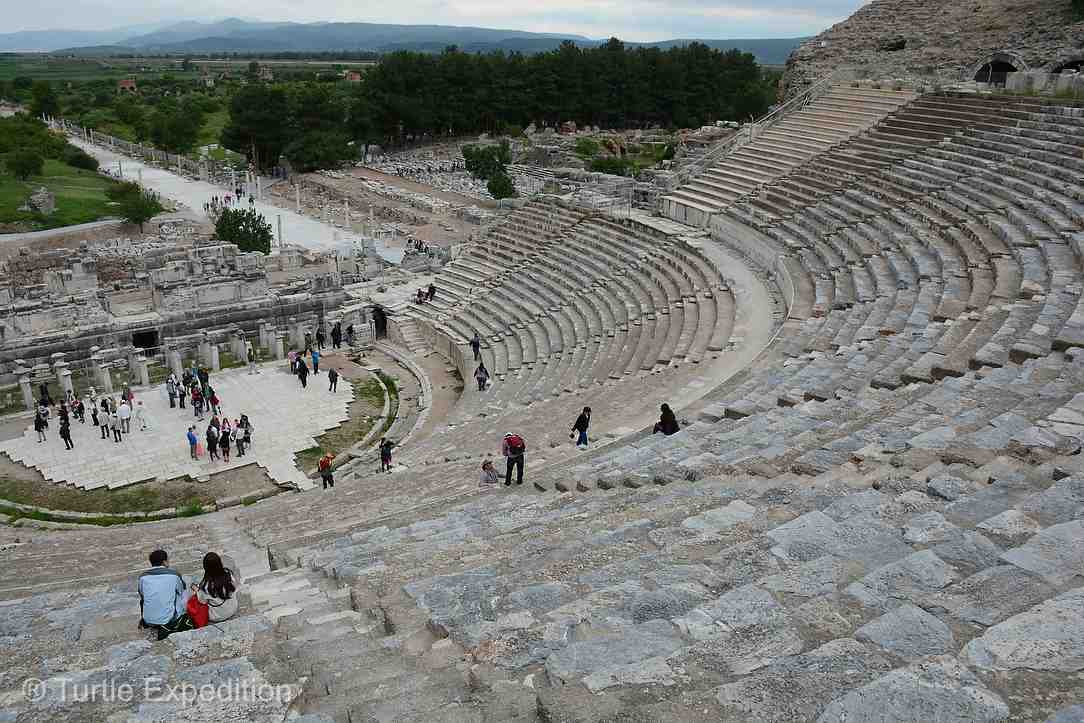
-
- The beautiful open-air theatre was used initially for drama, but during later Roman times, gladiatorial combats were also held on its stage.
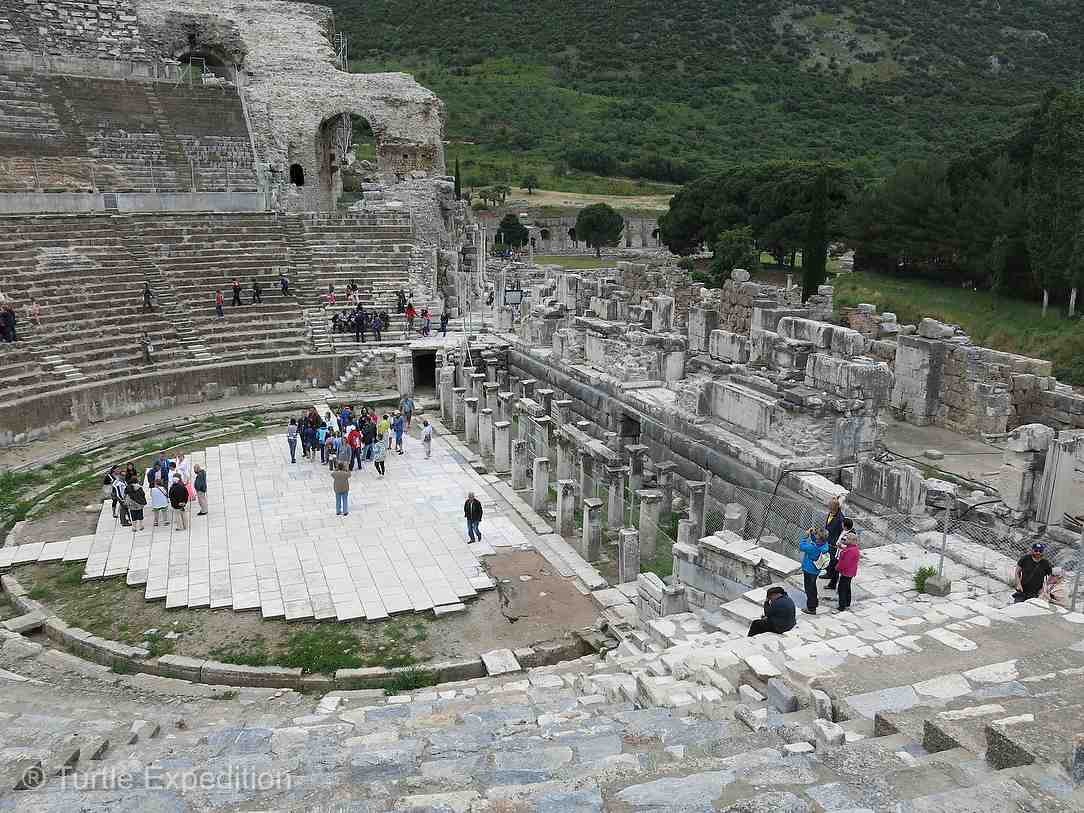
-
- The Great Theater had a capacity of 25,000 people.
-
- Harbor Street lead to the port of Ephesus.
-
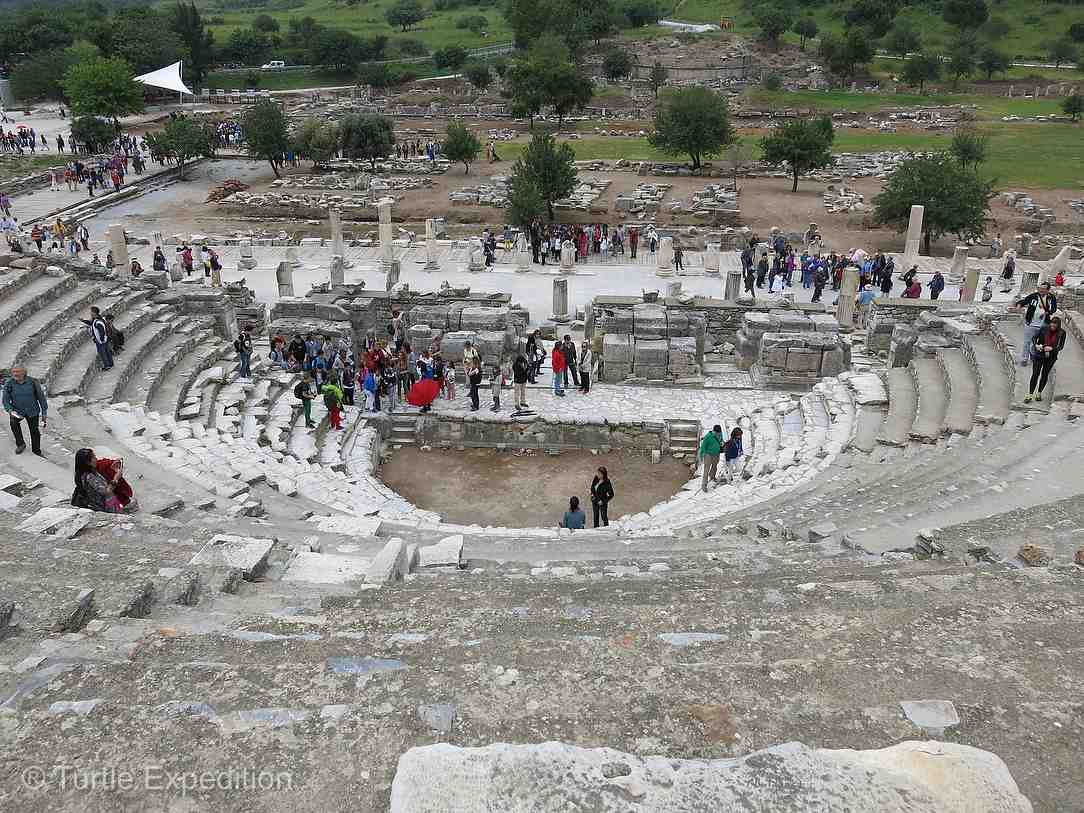
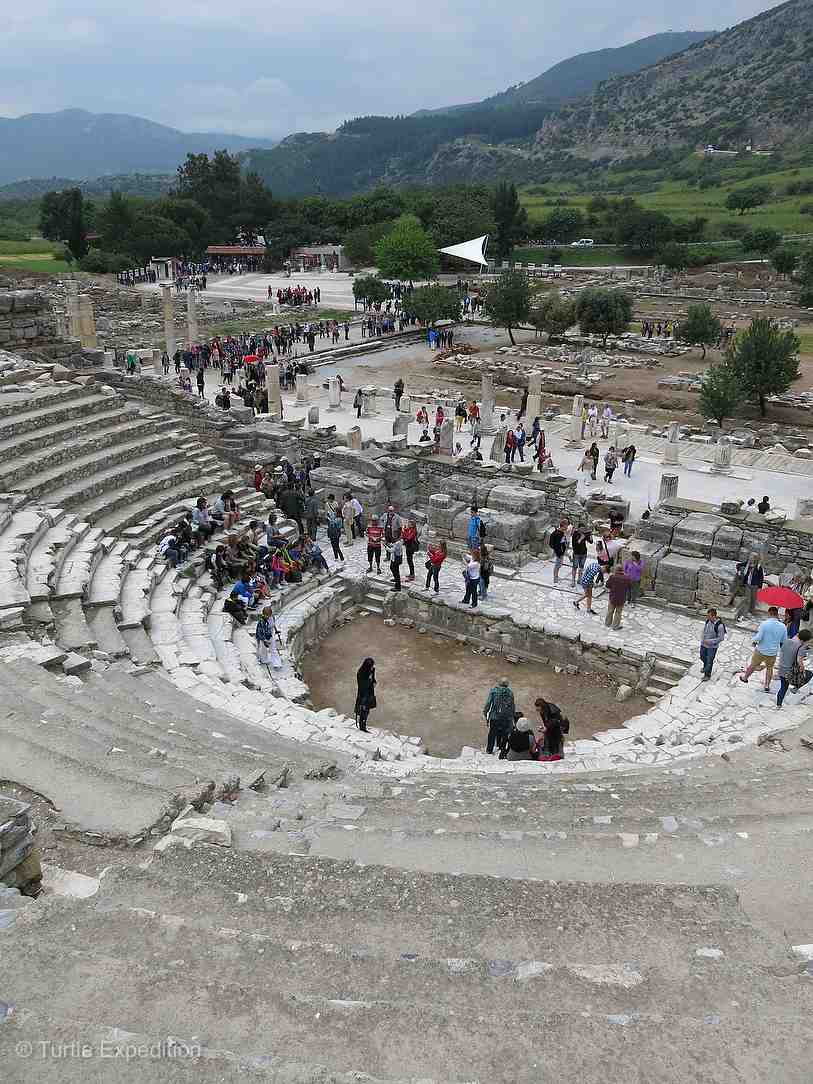
- The Bouleuterion (sometimes called Odeon) housed the meetings of the council (boule), musical performances and contests. It was built around 100 AD.
-
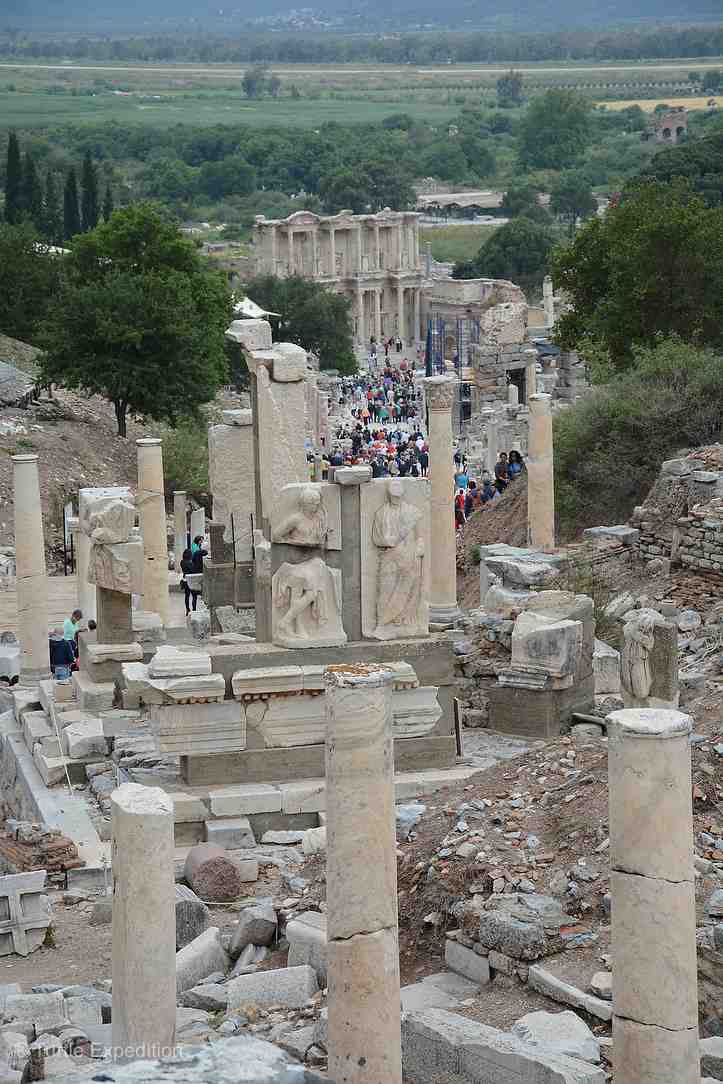
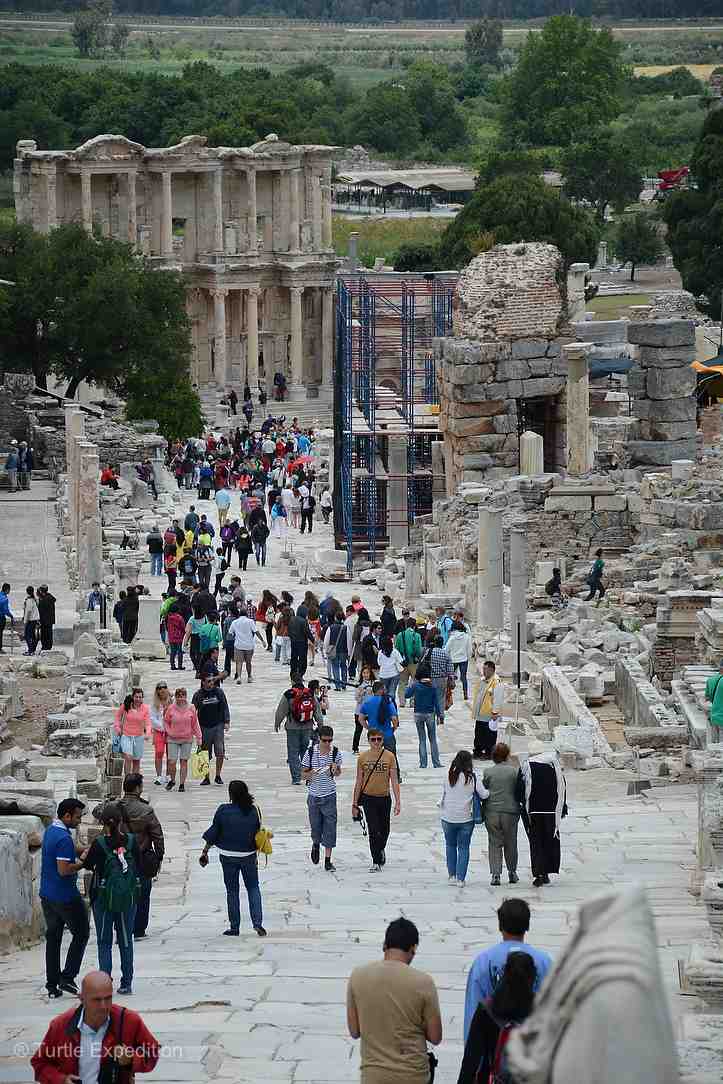
- The Curetes Way lead down to the famous Library of Celsus.
-
- The famous Library of Celcus was built by Gauius Julius Aqula, (consul in 110 AD), in honor of his father, Roman Senator Tiberius Julius Celcus Polemaeanus. It stored 12,000 scrolls and was first damaged by the Goths and later by an earthquake in 1000.
-
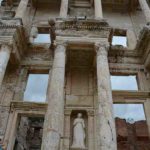
- The façade of the Library of Celcus has been carefully reconstructed from all original pieces. It was built in memory of Roman Senator Tiberius Julius Celsus Polemaenus who is buried here in a crypt.
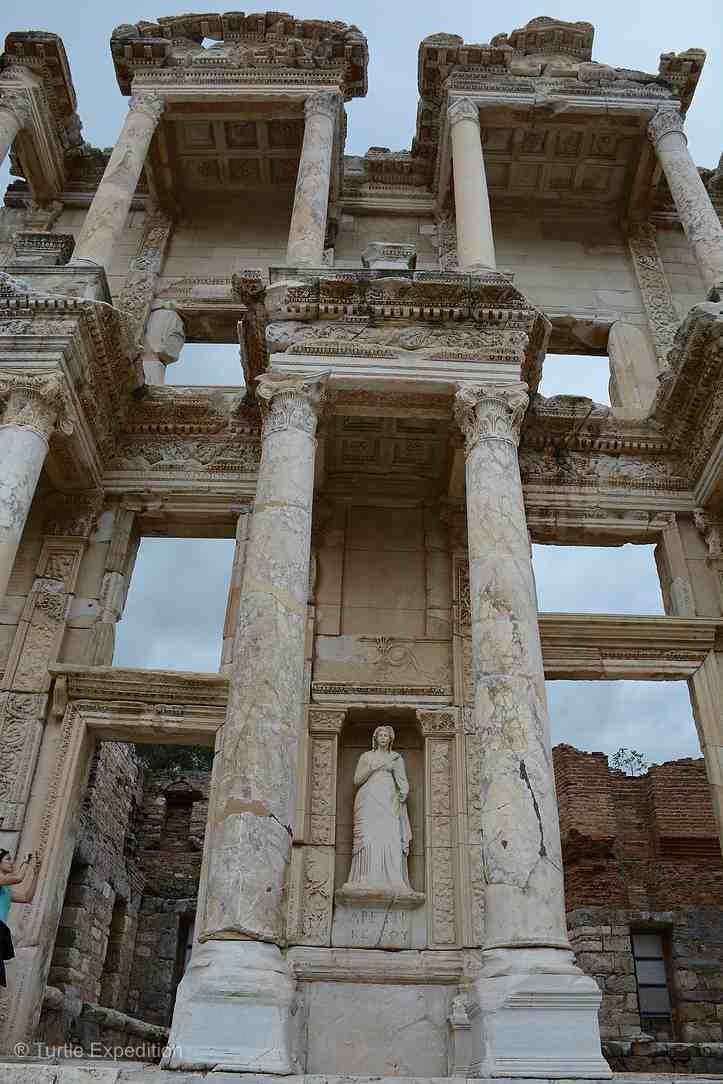
-
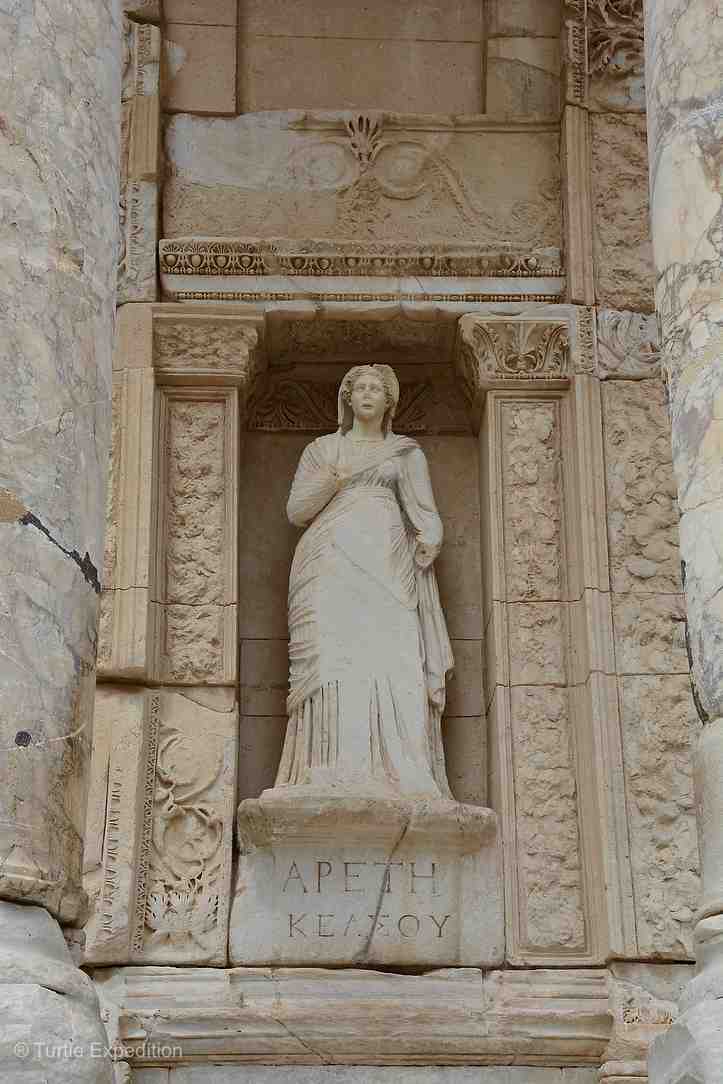
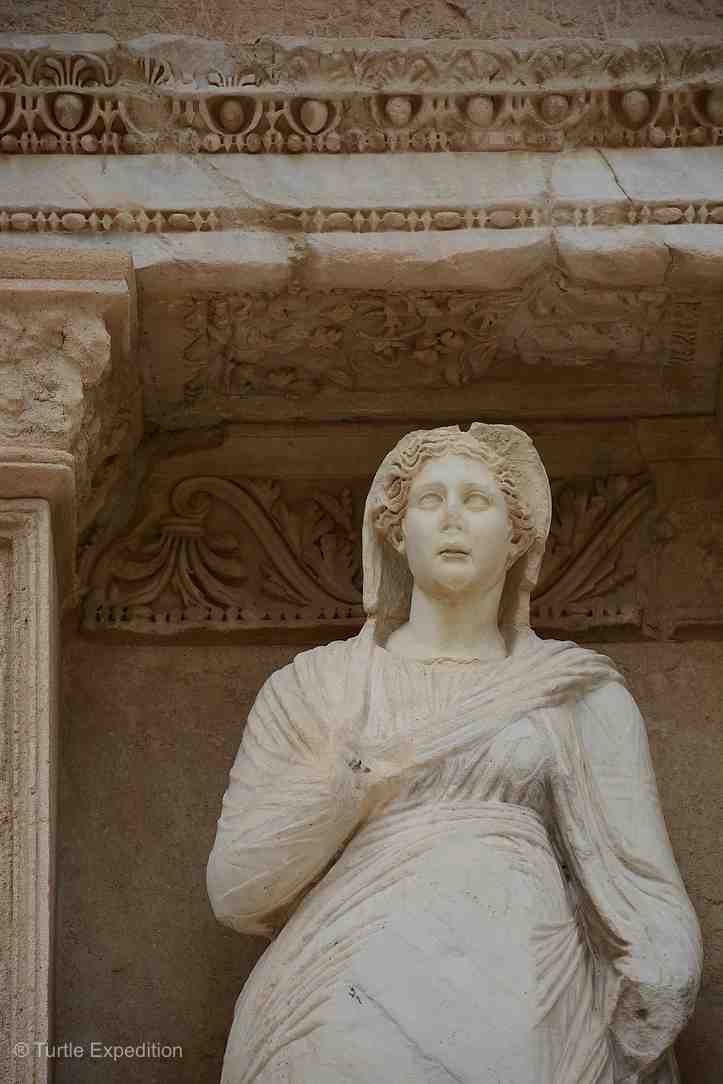
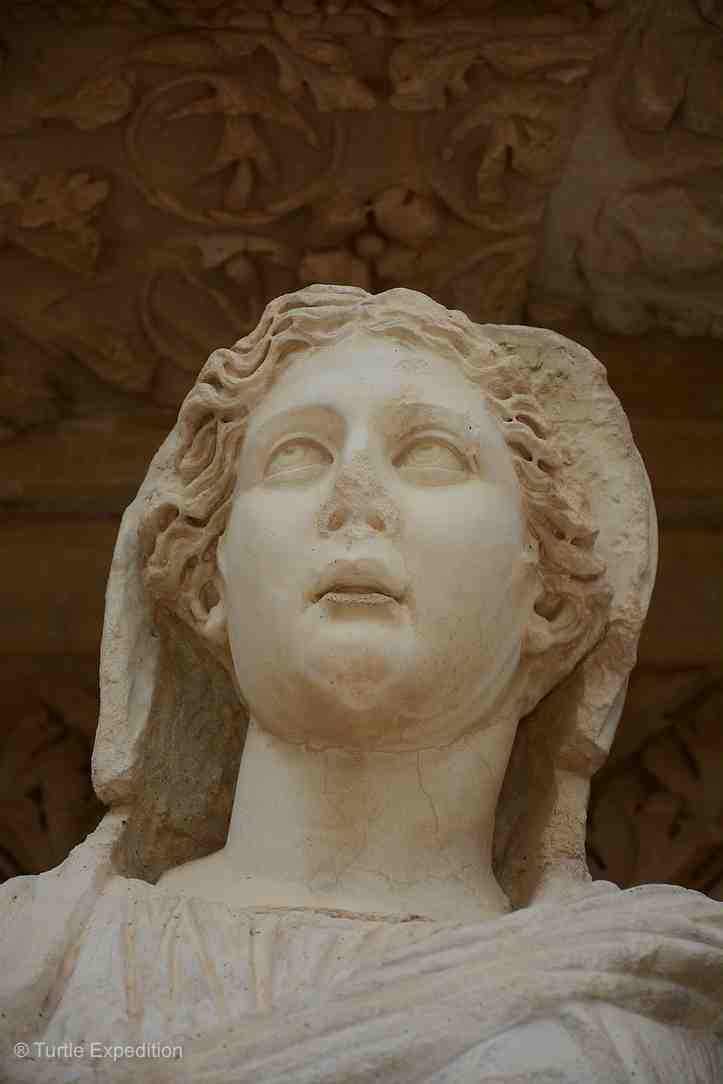
- The statues occupying the niches in front of the Library of Celcus are Sophia (wisdom), Arete (virtue, shown here), Ennoia (intellect) and Episteme (knowledge).
-
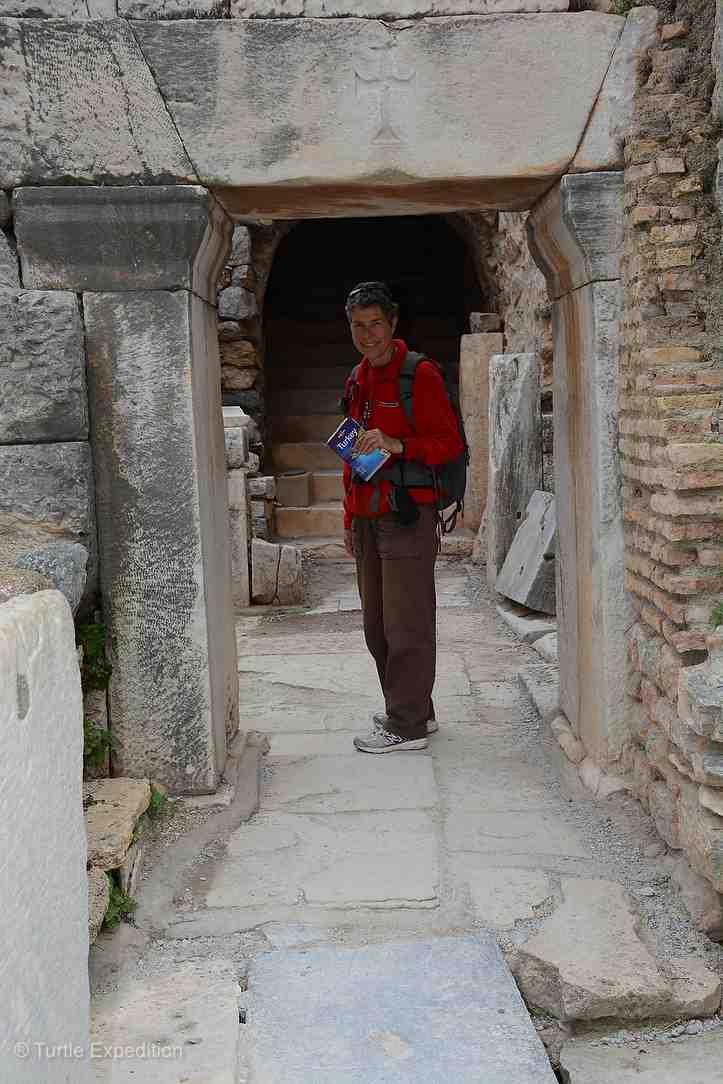
- Monika felt pretty secured standing under this massive one-stone arch in a land prone to earthquakes.
-
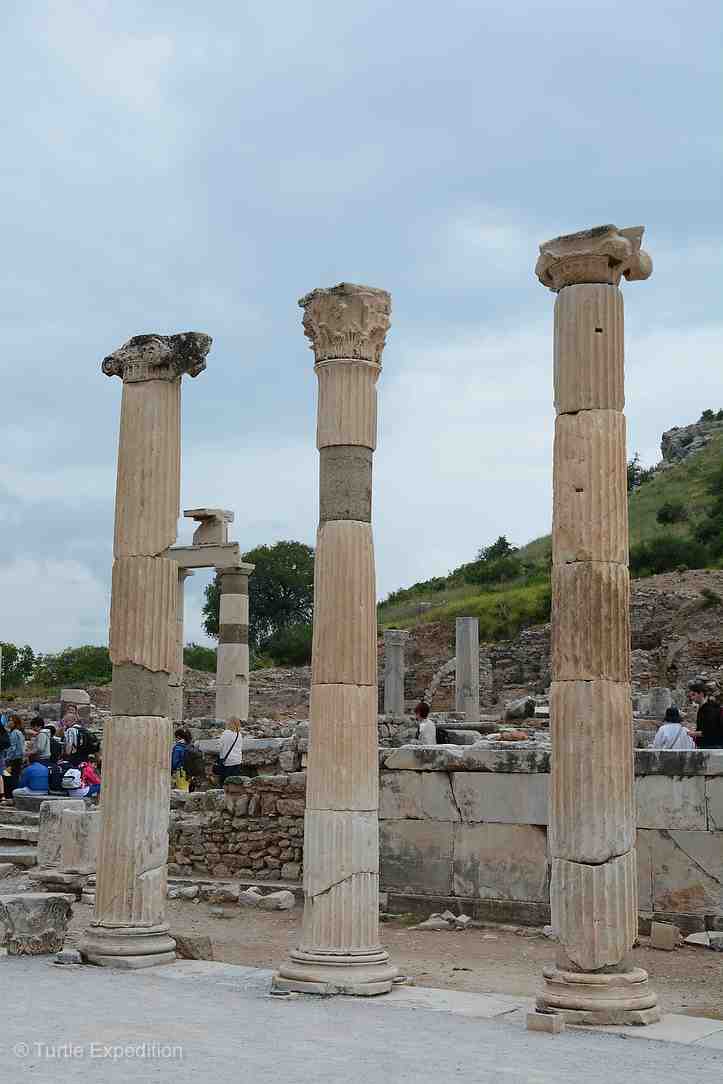
- These three columns were part of the Roman Basilica that was used for stock exchange and commercial business as well as the court of law.
-
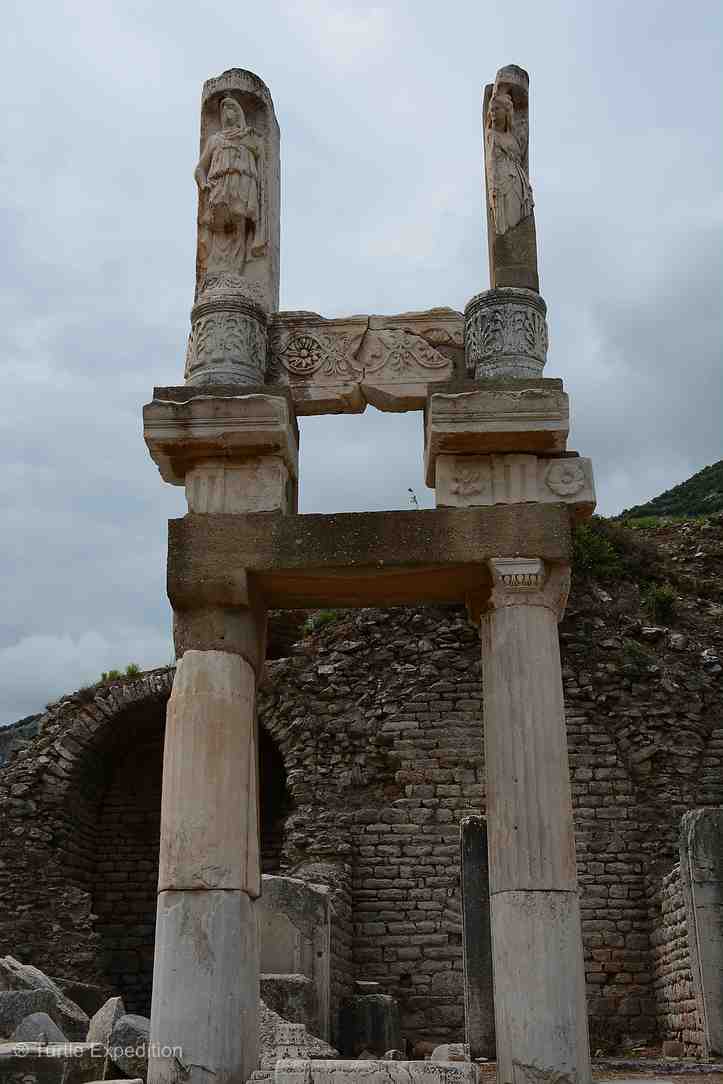
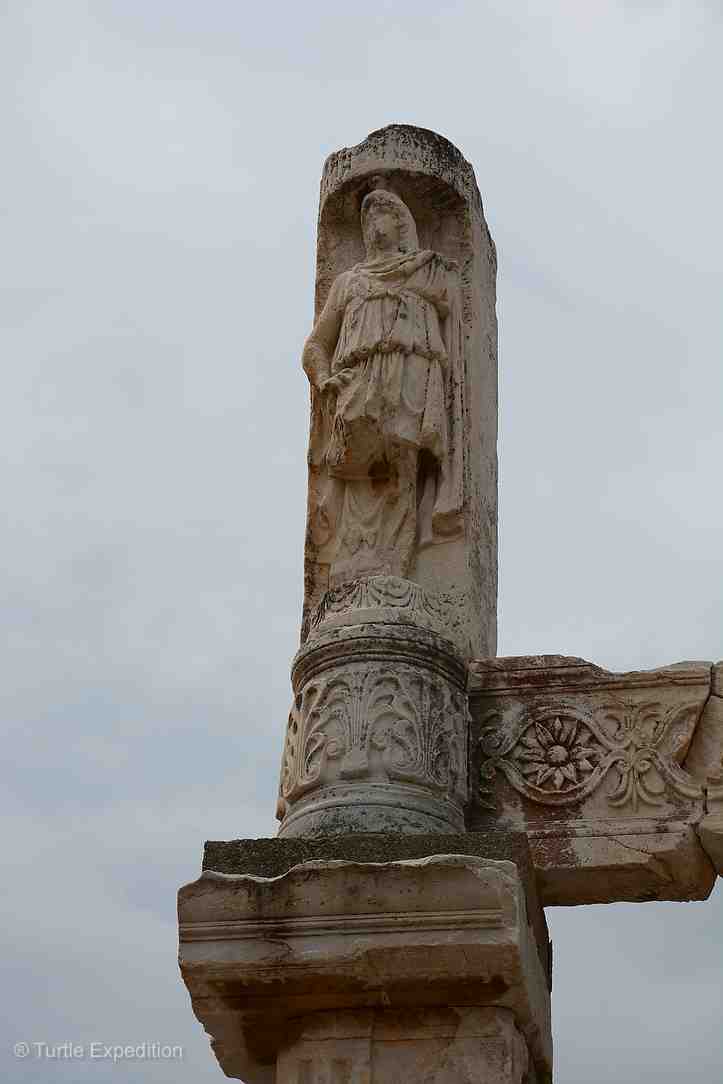
- This temple and altar served the Imperial cult and were dedicated to Emperor Domitian (AD 81-96). It was torn down after the victory of Christianity.
-
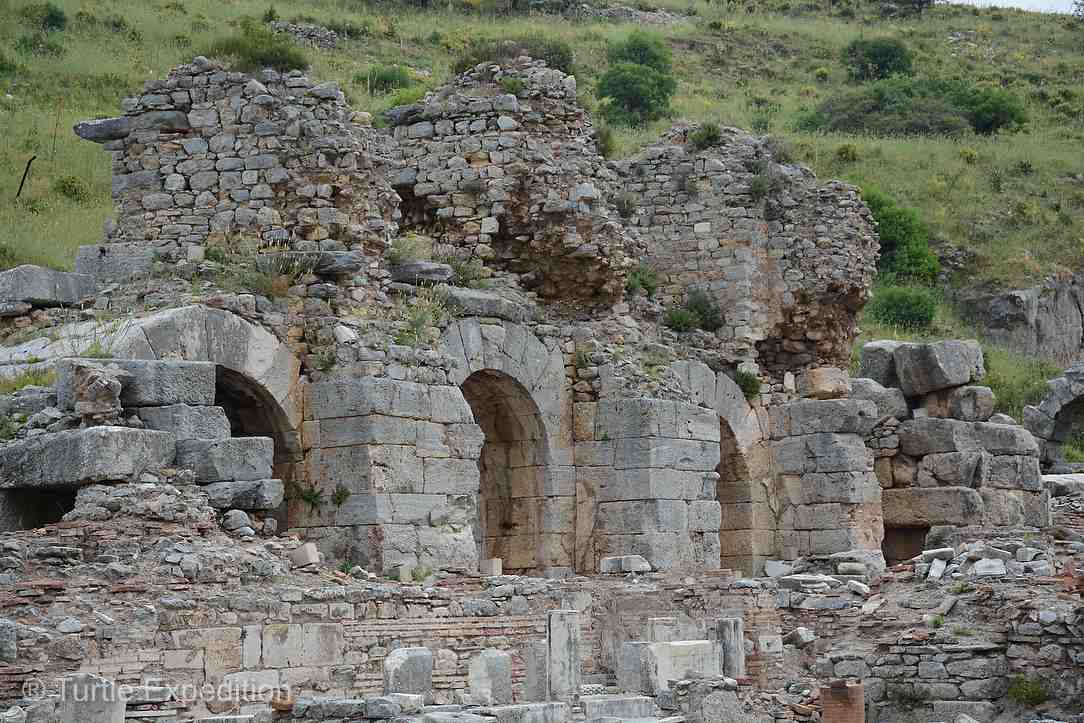
- The ruins of the bath of Varius were built of cut blocks of marble. The three sections were frigidarium (cold water), tepidarium (warm water) and caldarium (hot water). The excavations have not been completed yet.
-
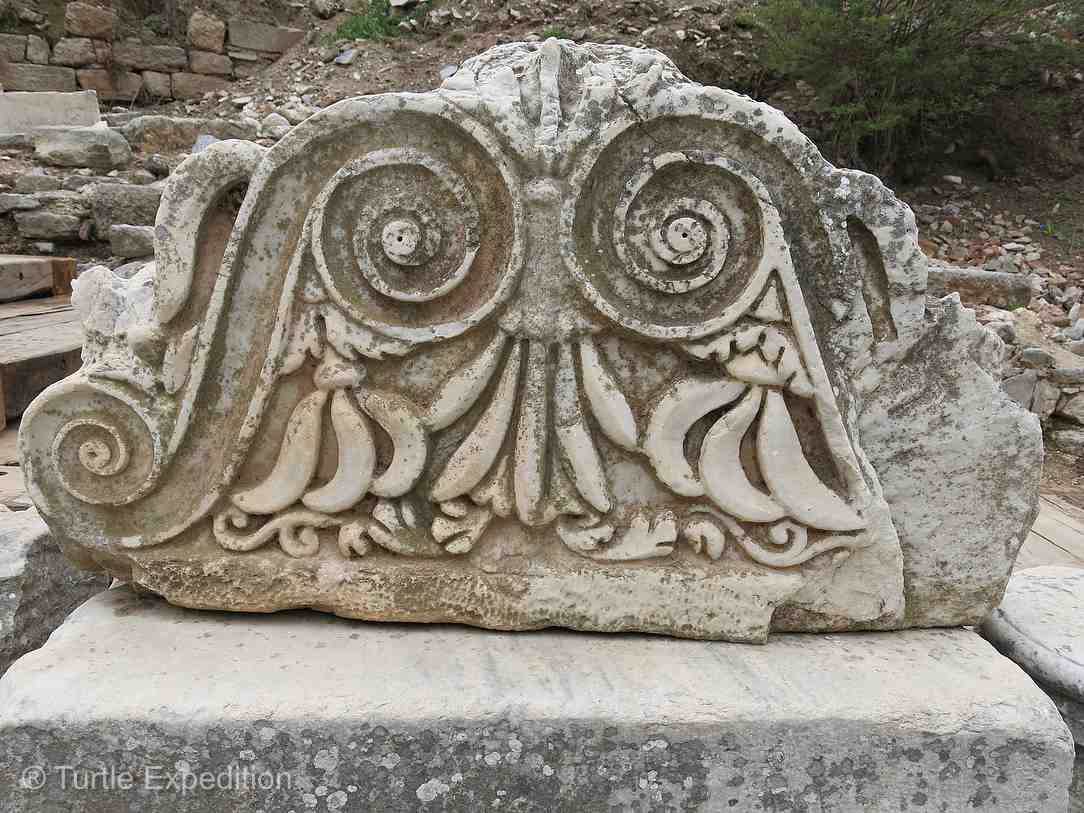
- A detailed carving. Is it representing an owl?
-
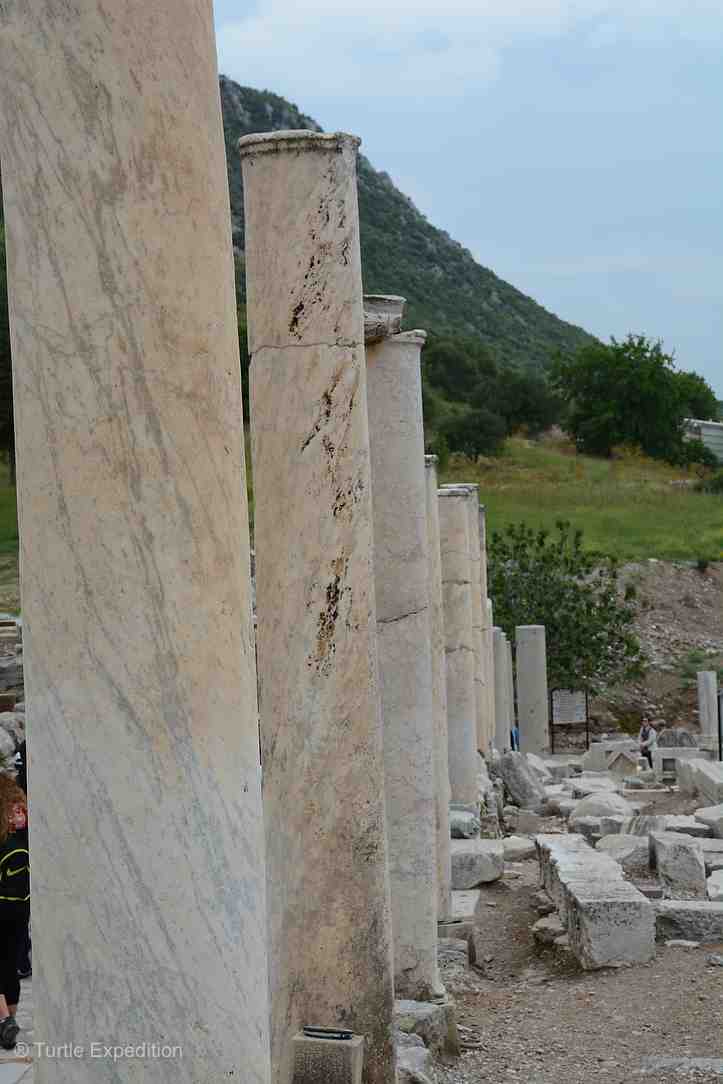
- Surviving columns were beautifully carved out of solid marble.
-
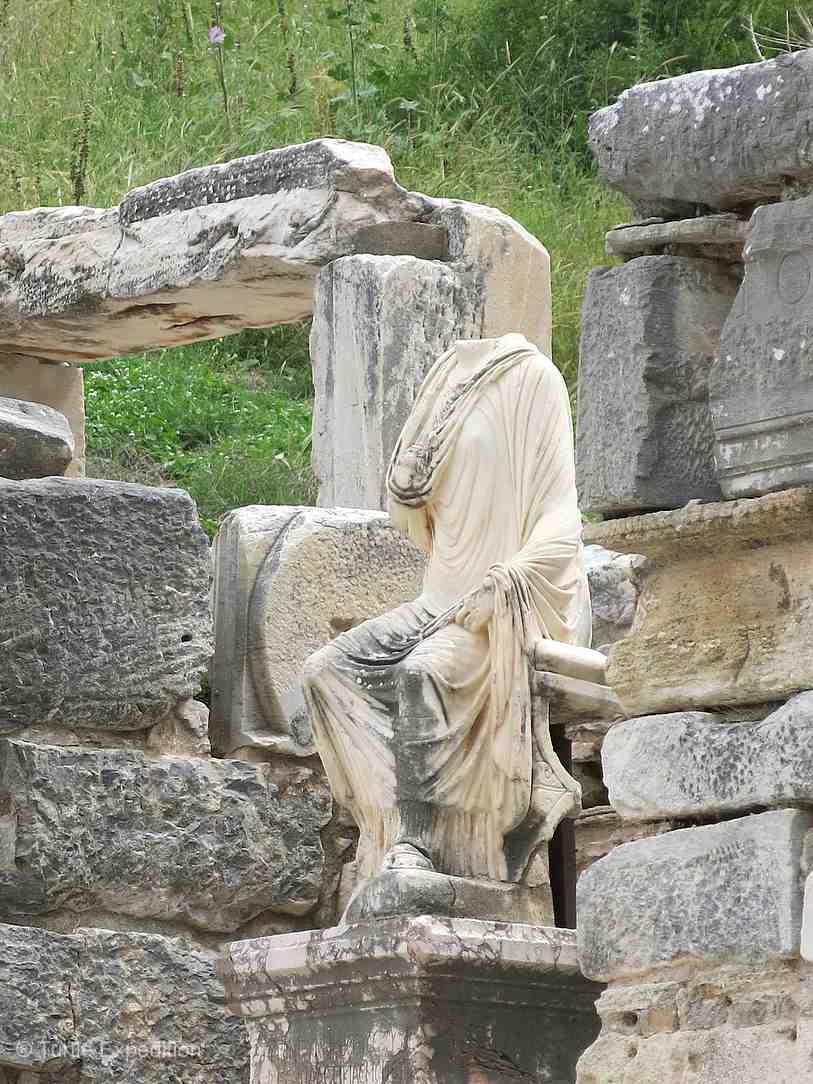
- Unidentified marble statues depicting various citizens and possibly gods have survived wars and earthquakes.
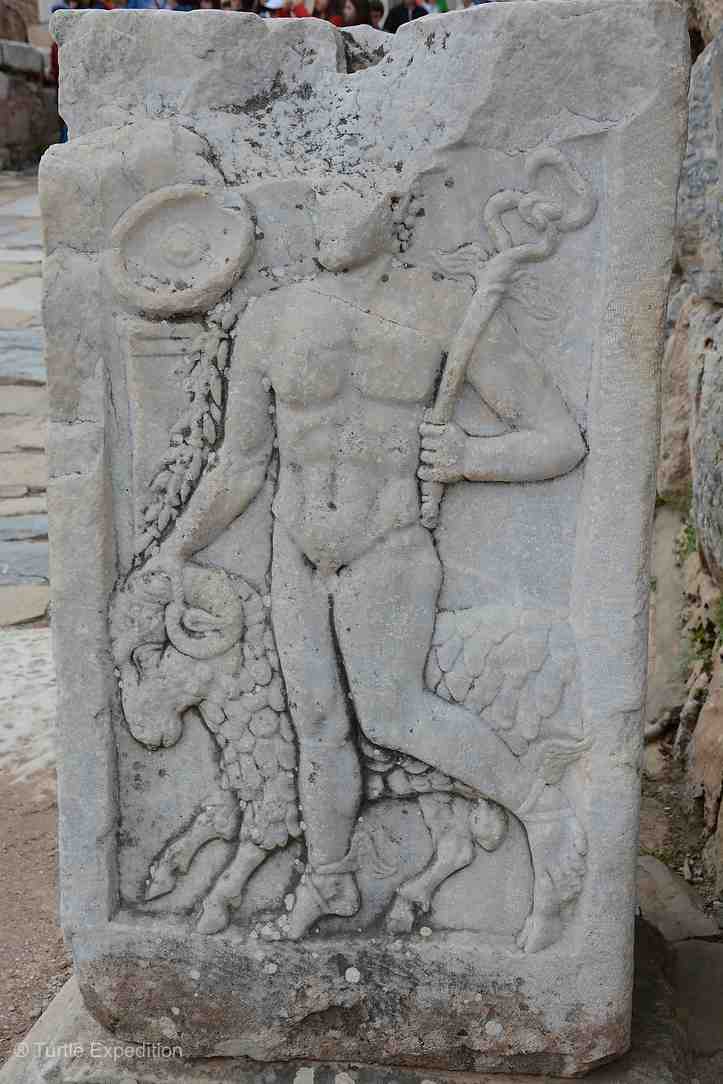
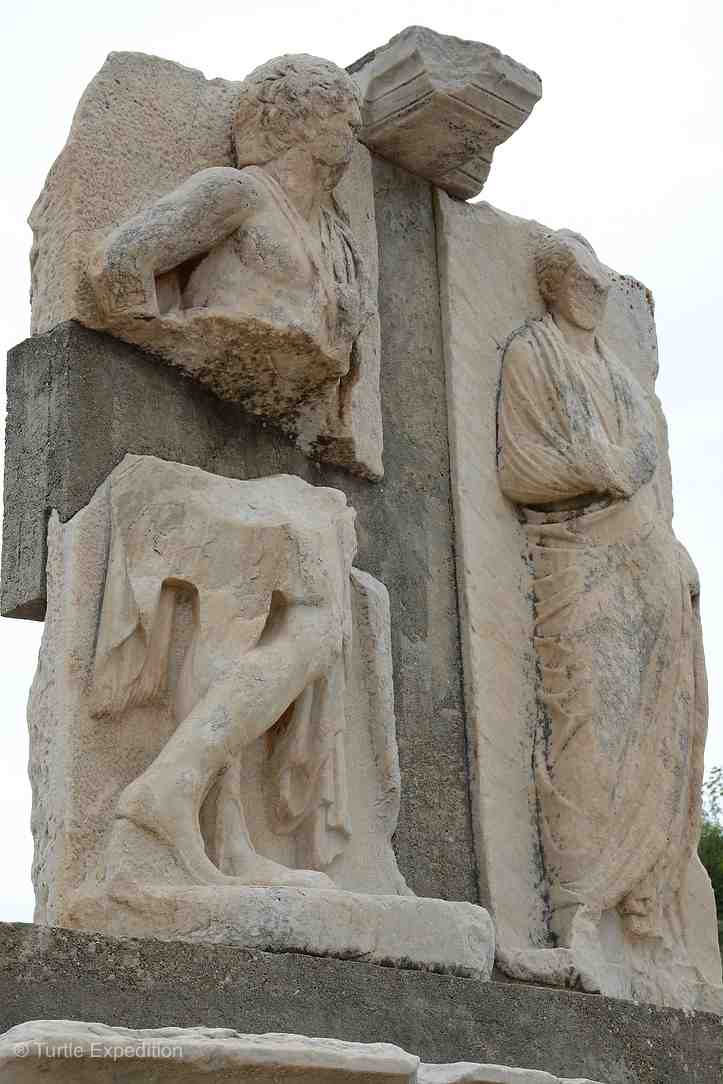
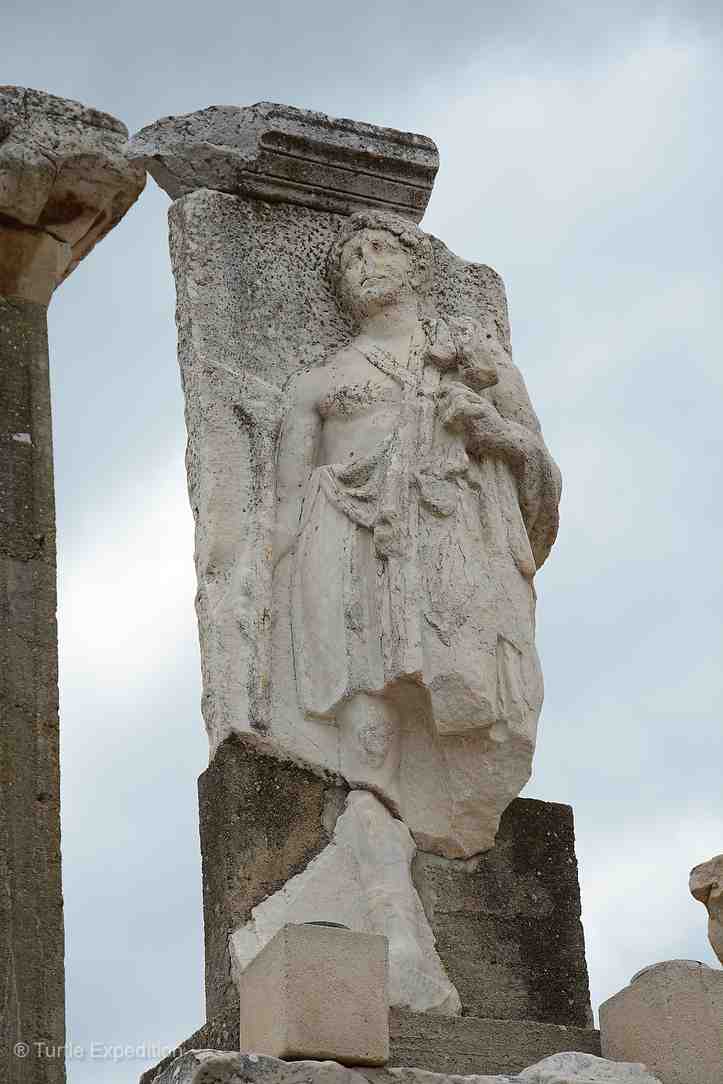
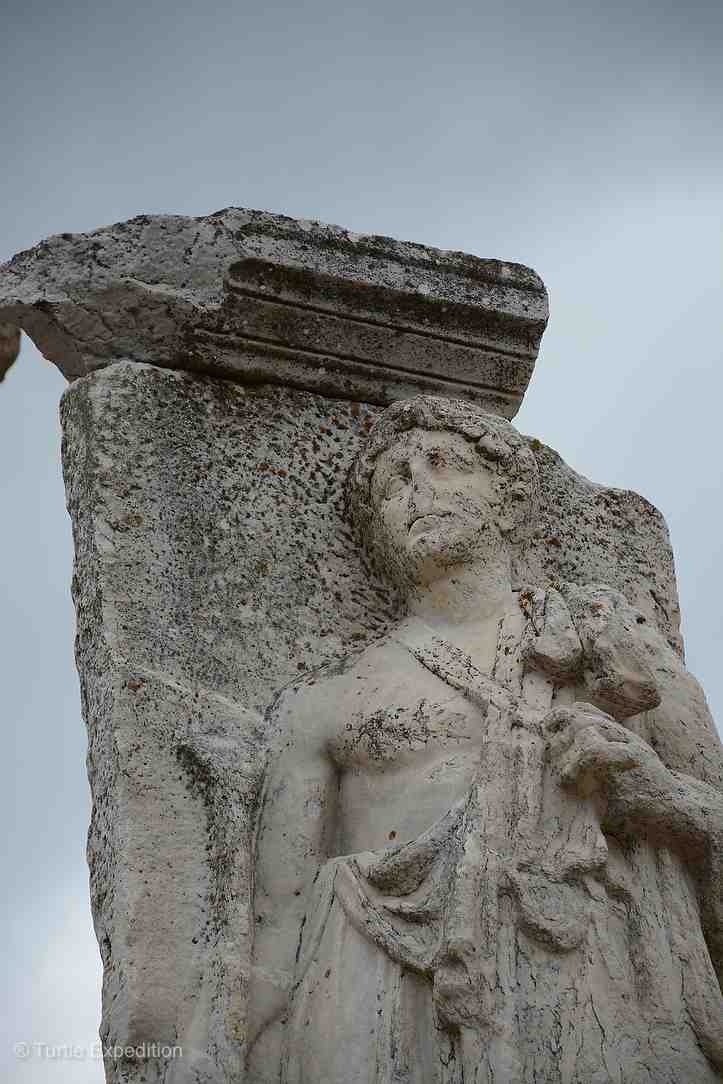
-
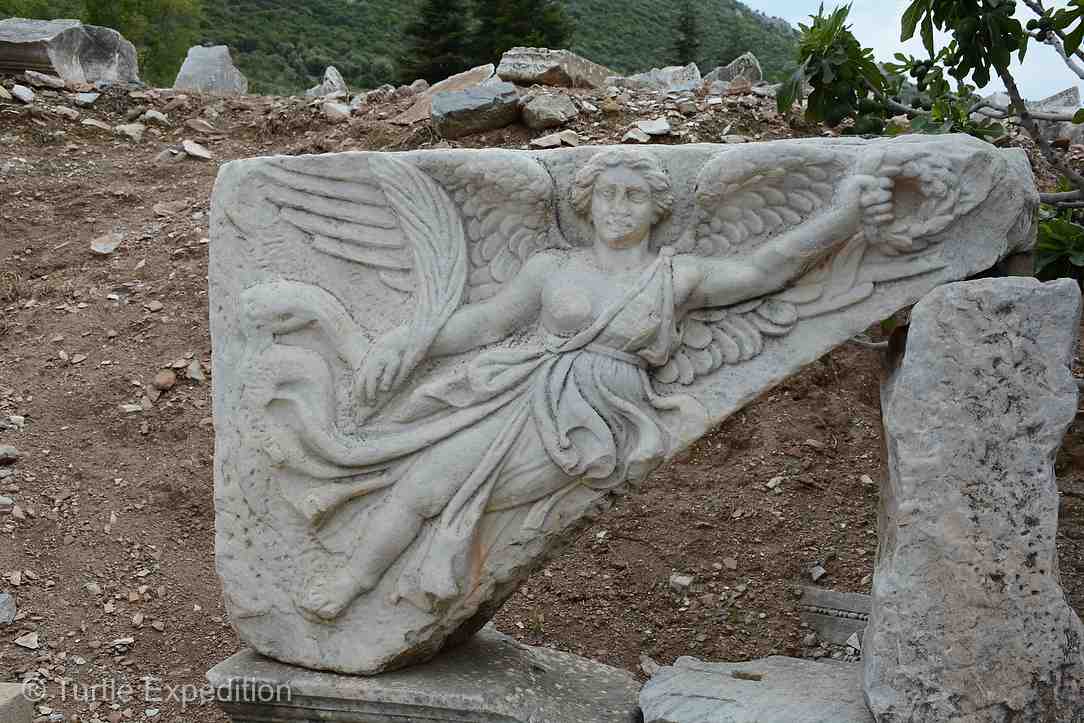
- The Goddess of Nike. Notice she doesn’t wear any running shoes!
-
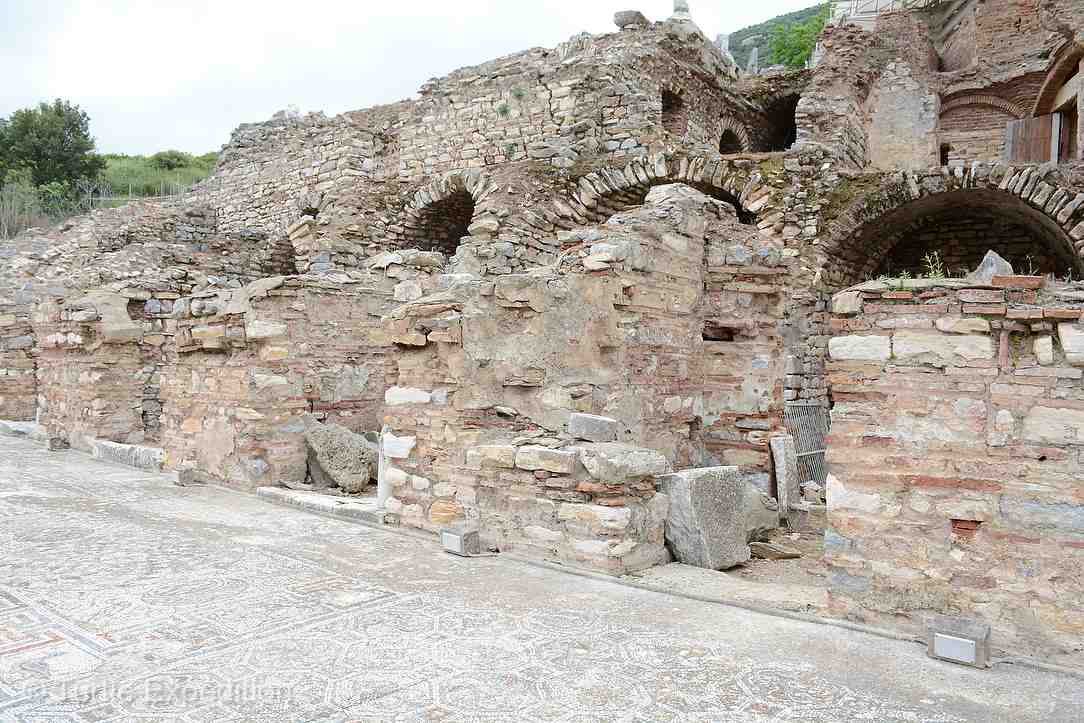
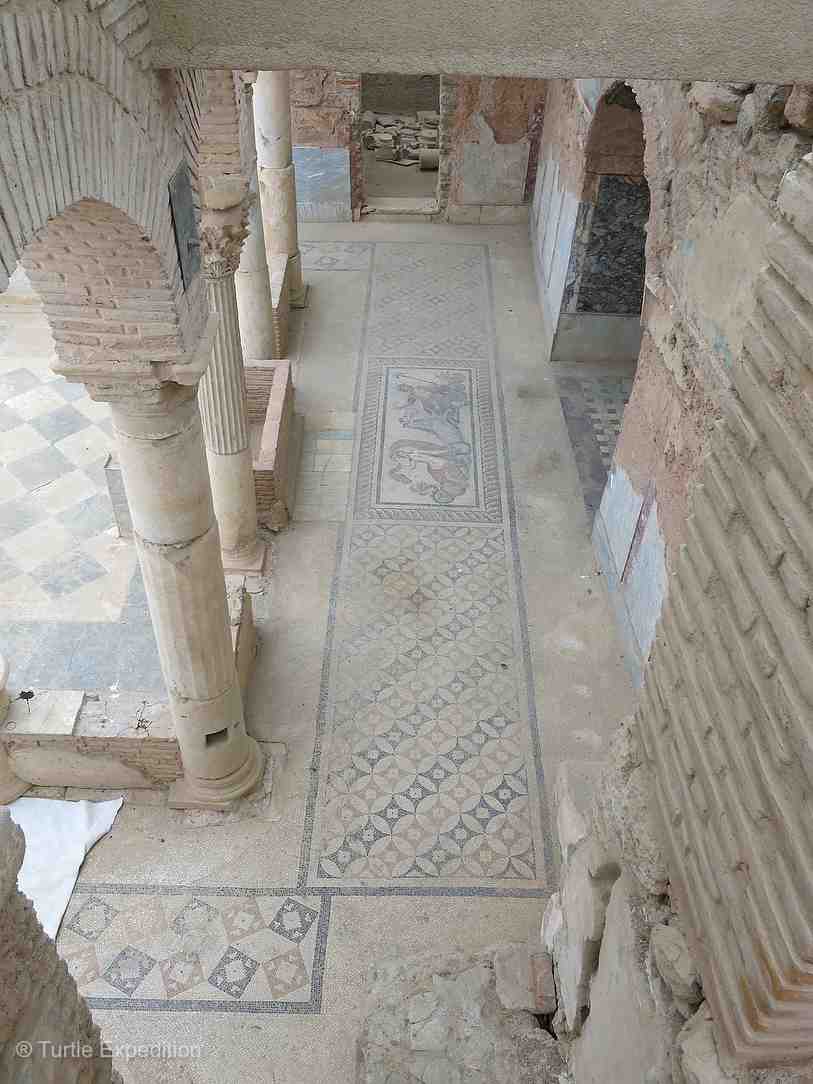
- This long mosaic in front of a colonnade of shops might have been a type of sidewalk along Curetes Street. The shops had a second story for bedrooms where the shop owners slept.
-
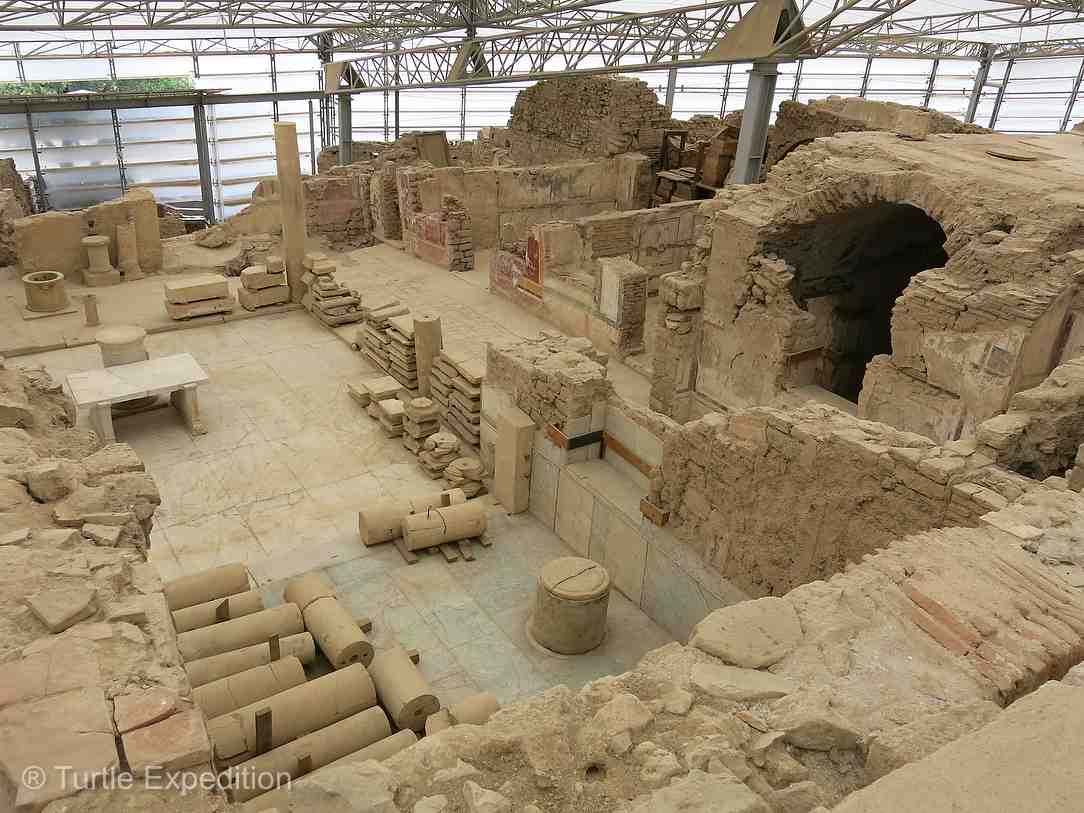
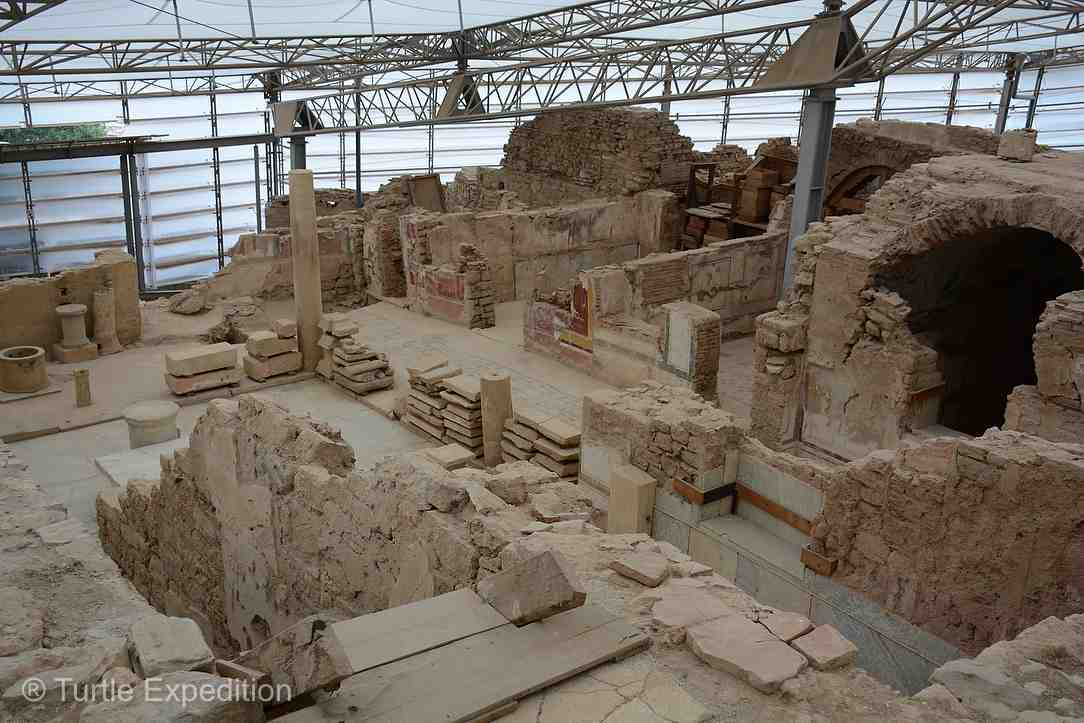
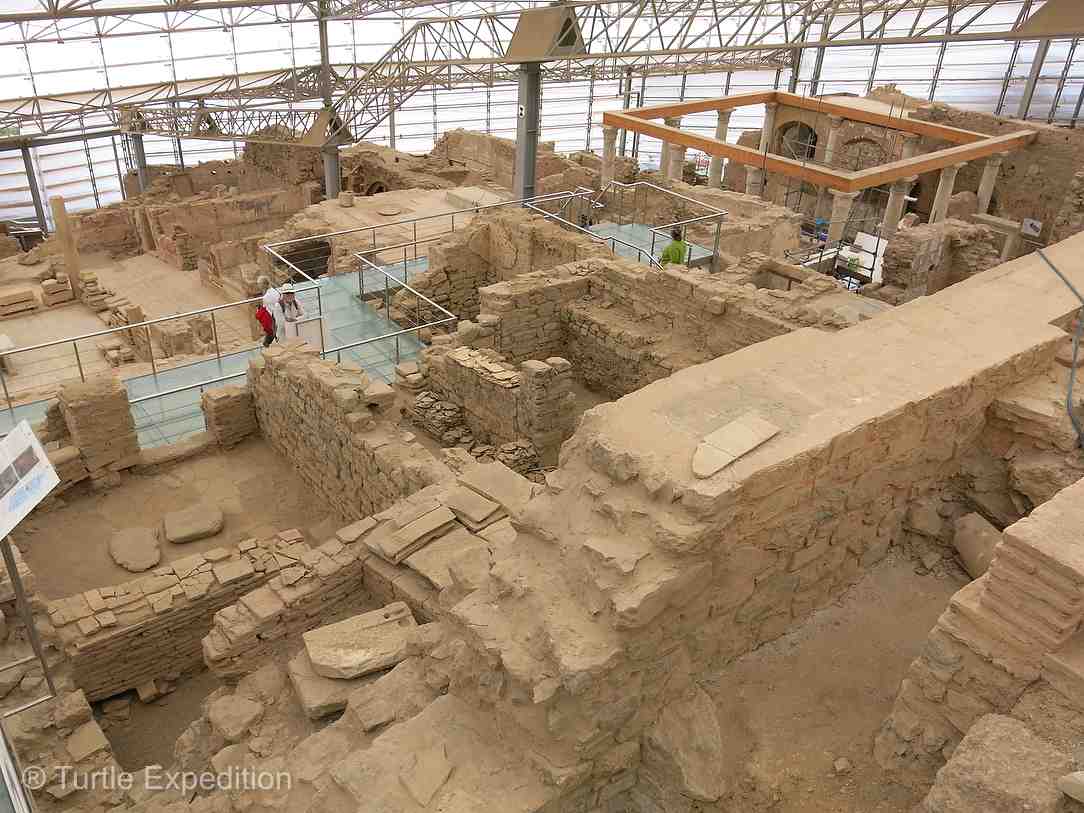
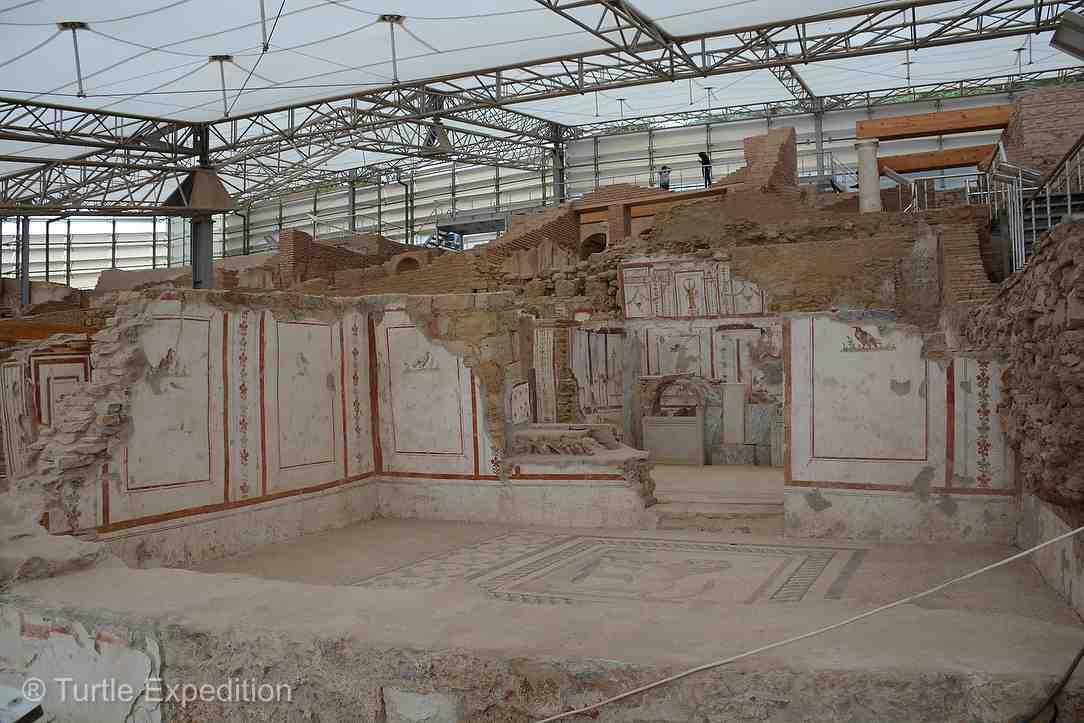
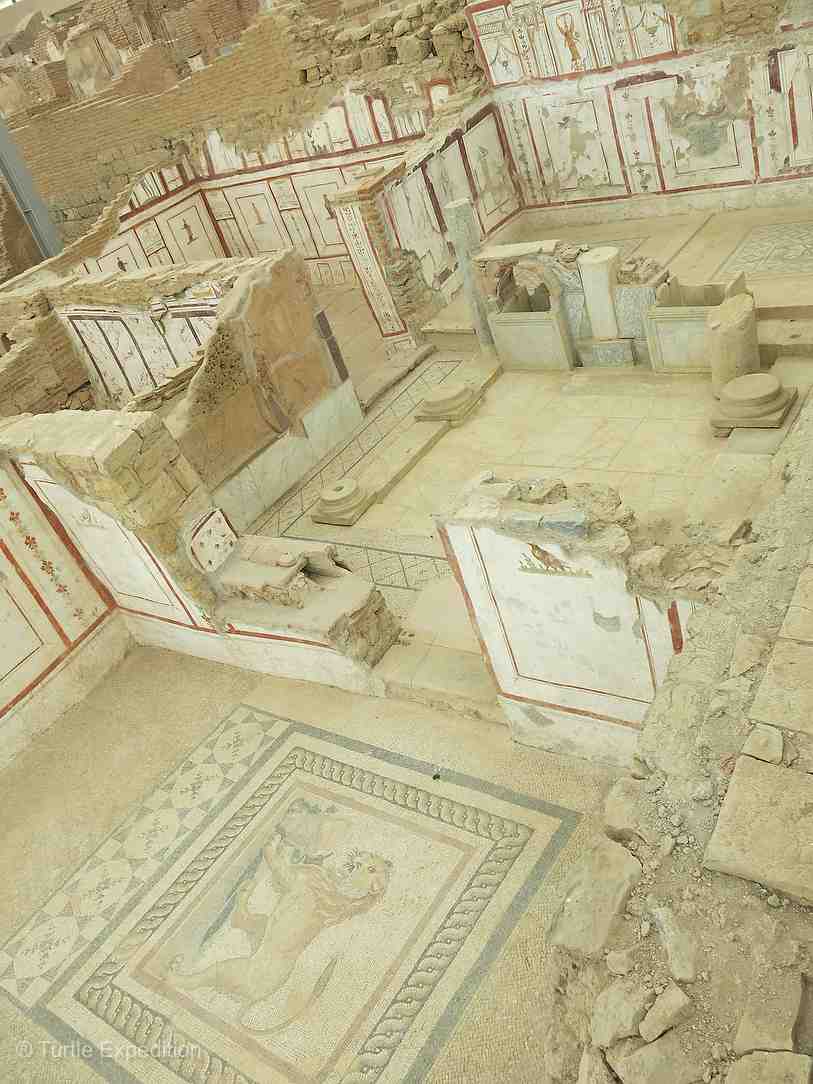
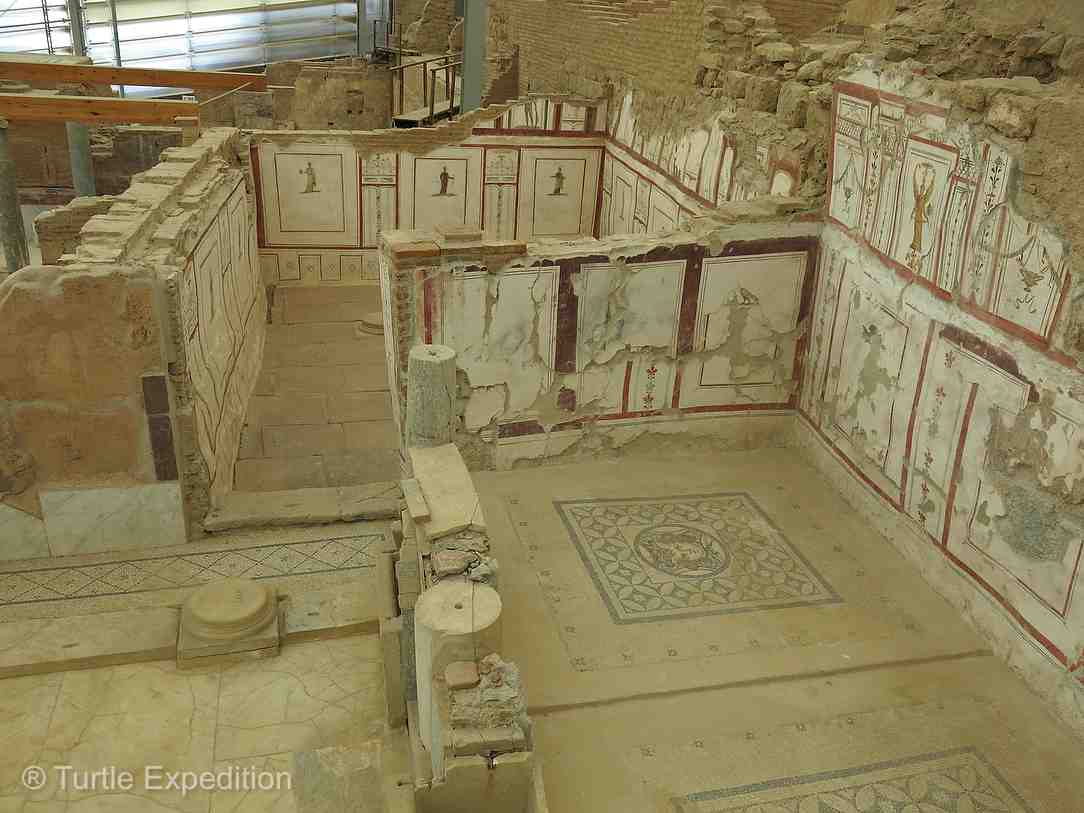
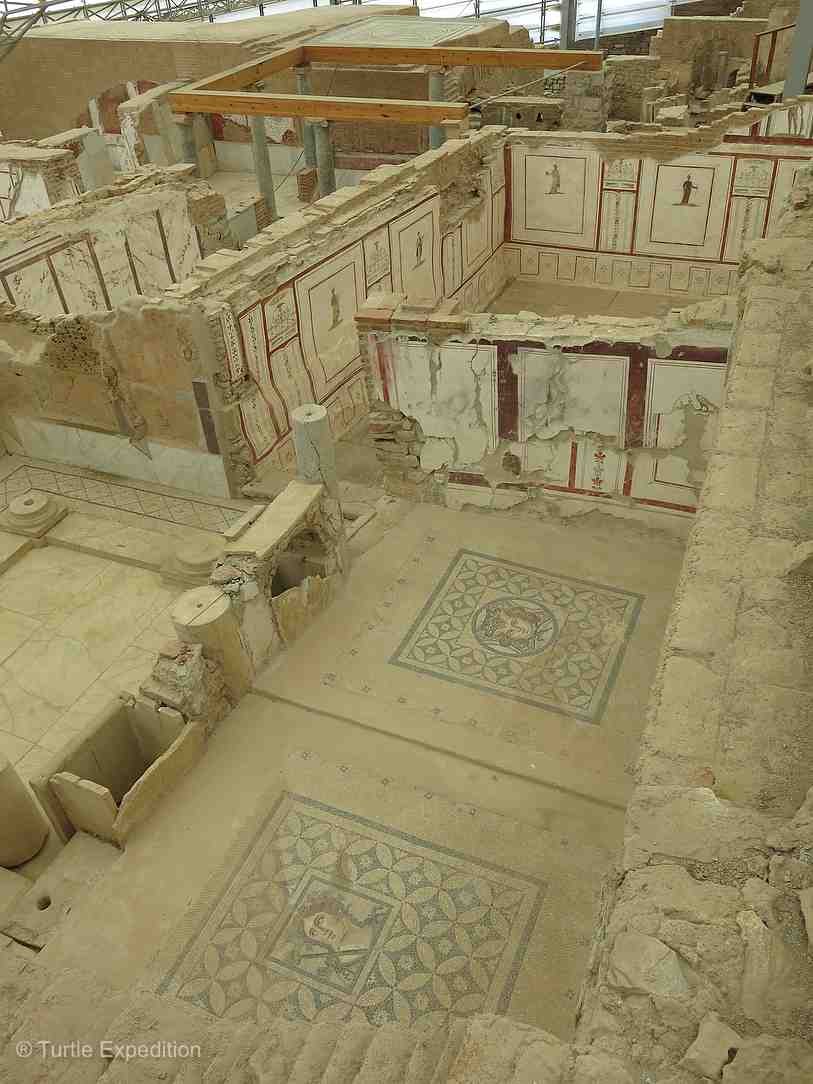
- The Slope Houses (or Terrace Houses) are built on successive terraces in the hillside in the city center. This building is huge, covering 4000 m2 (about 38,000 sft).
-
- Inside are seven units, which share common walls, very much like modern town houses or condominiums.
-
- Current preservation and partial reconstruction of the private homes and rentals built on terraces are protected by an elaborate canopy.
-
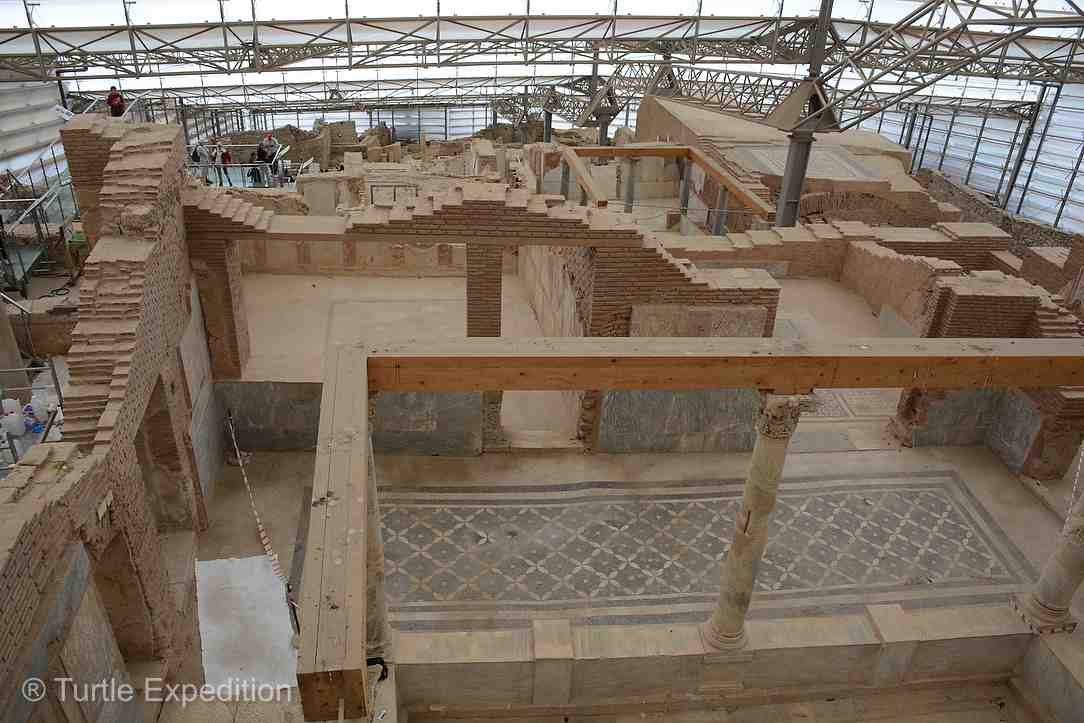
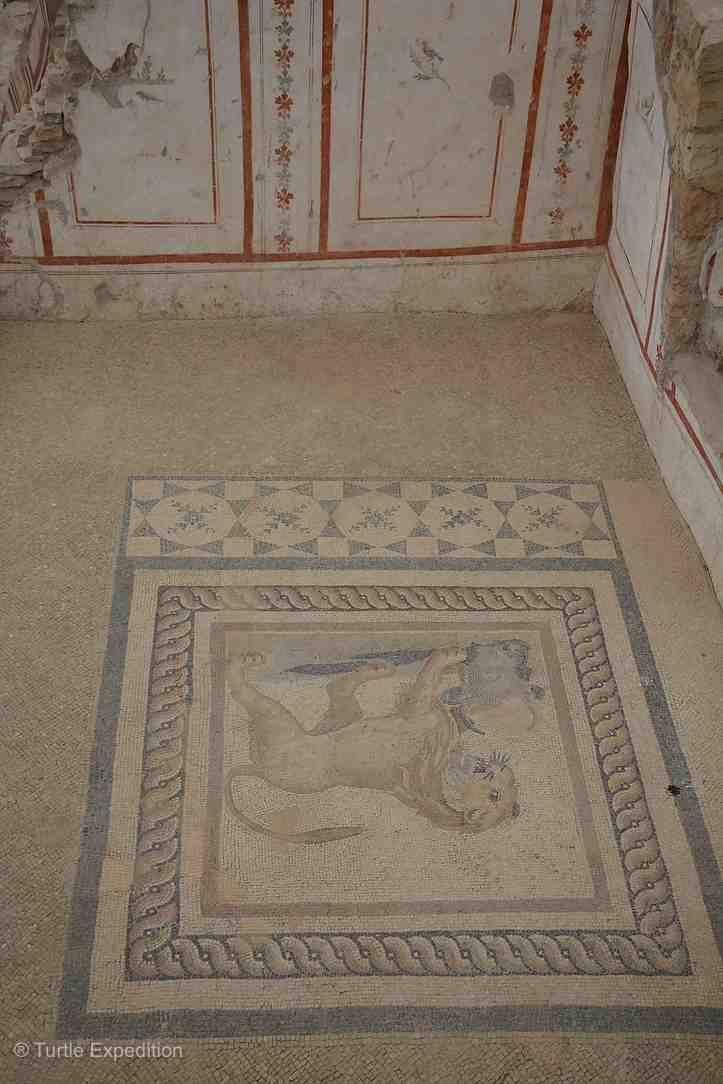
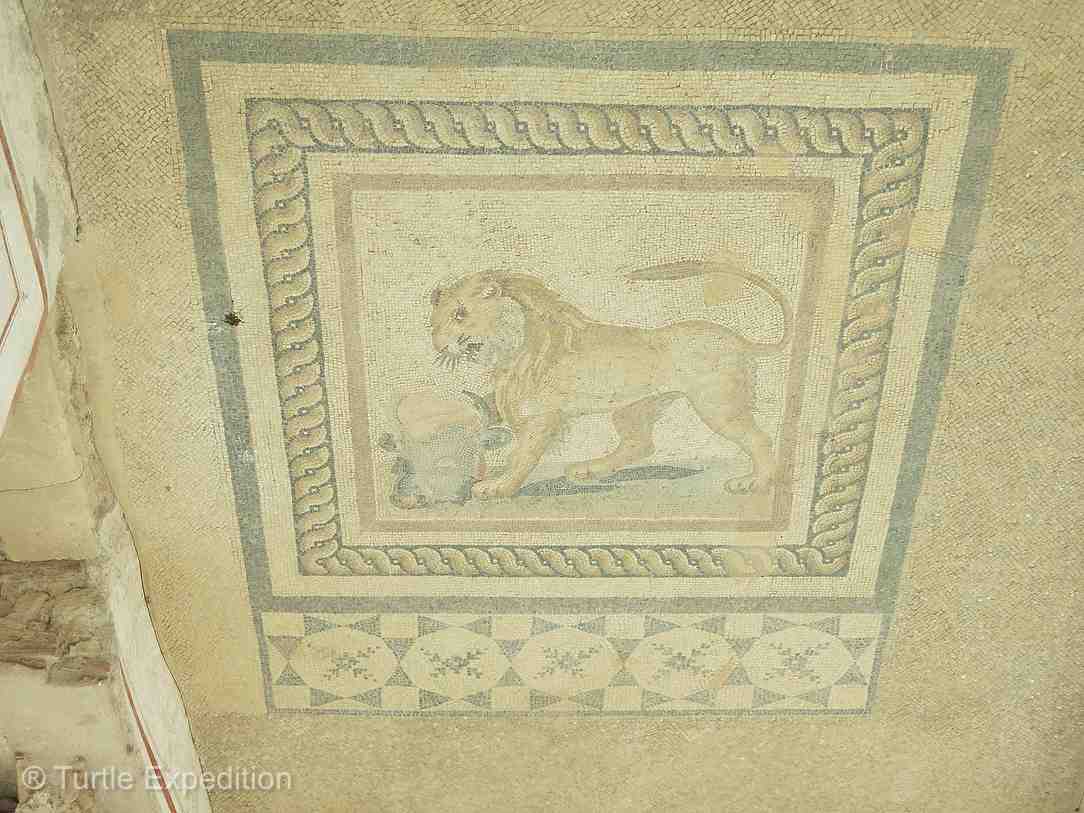
- Many of the rooms in the homes had beautiful mosaic floors.
-
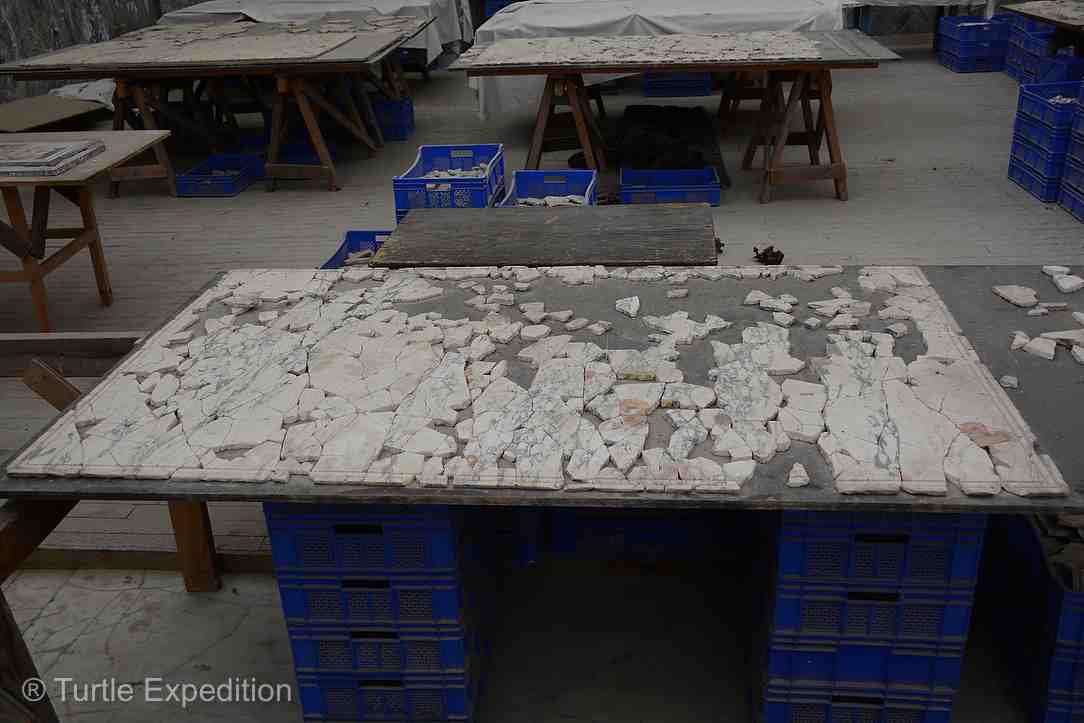
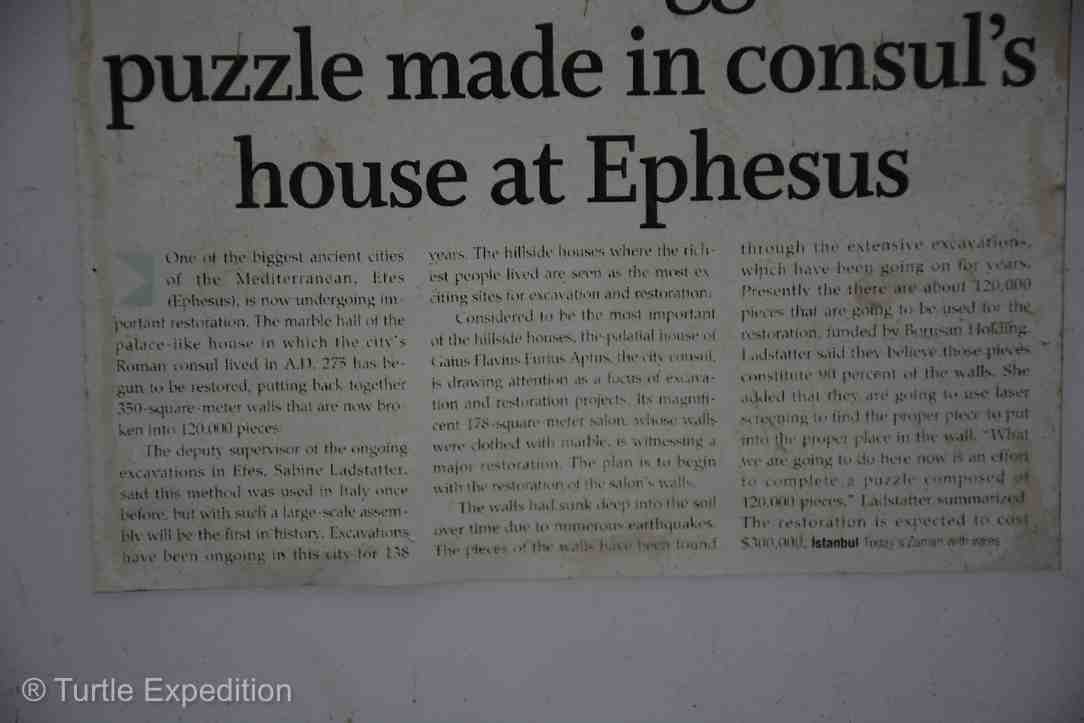
- The marble hall of the palace-like house in which the city’s Roman consul lived is being restored. Archaeologists are reassembling 350 m2 (3,767 sqft) of walls that are now broken into 120,000 pieces.
-
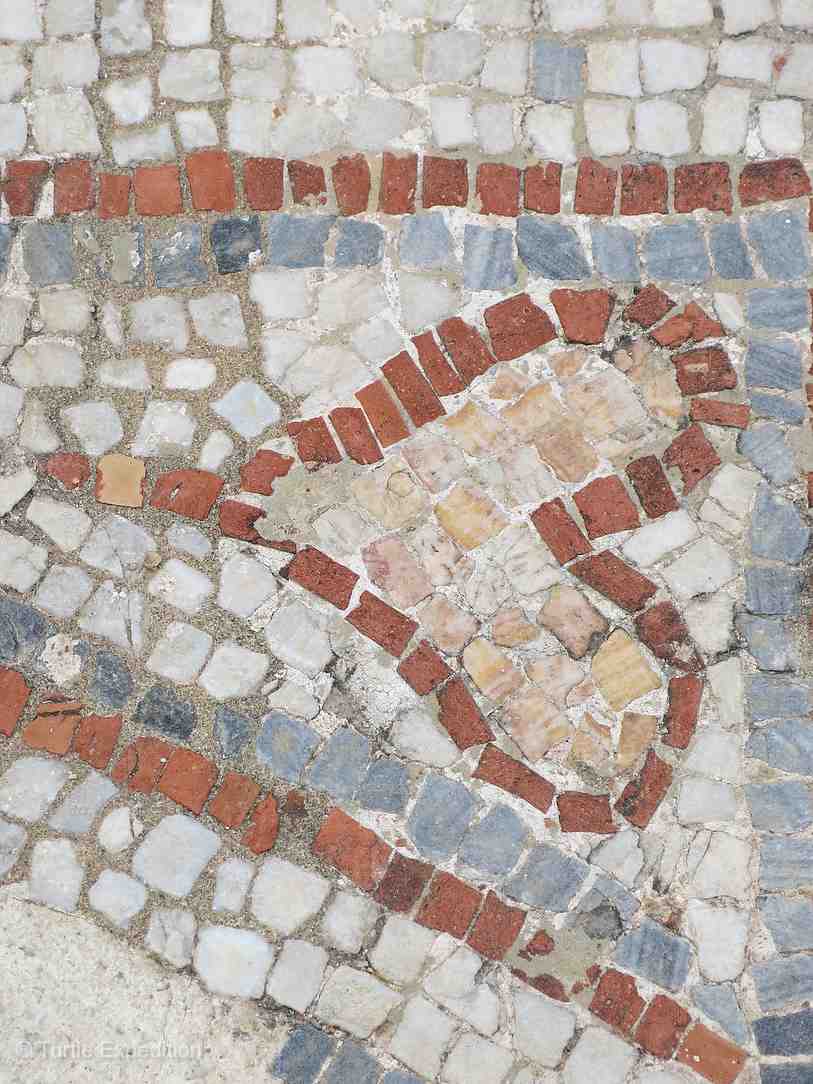
- We always enjoy discovering the creativity of people from ancient cultures. These whimsical designs could have been done yesterday.
-
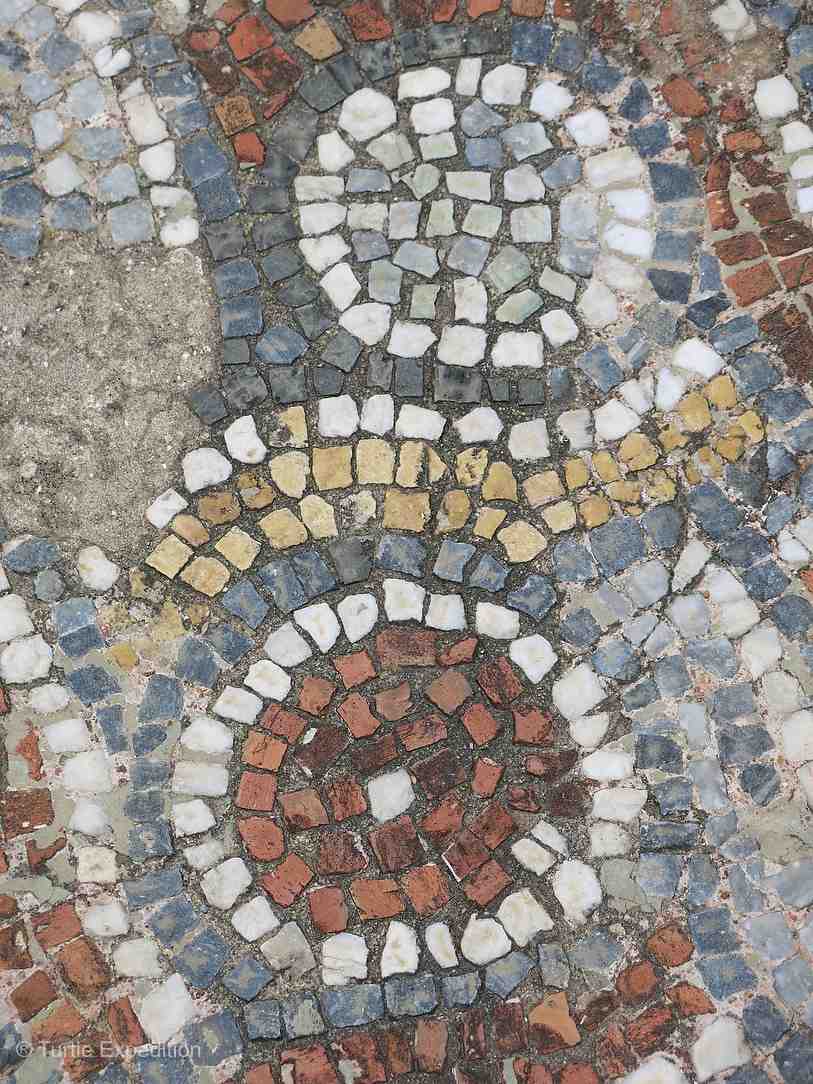
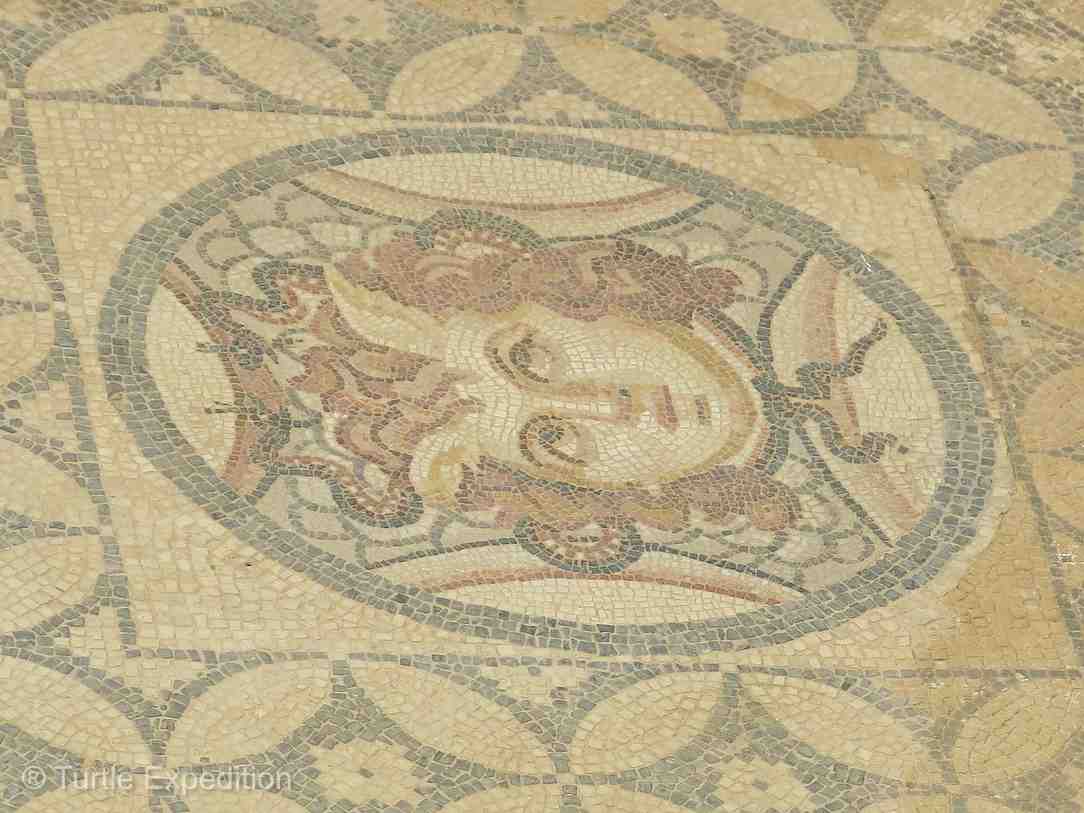
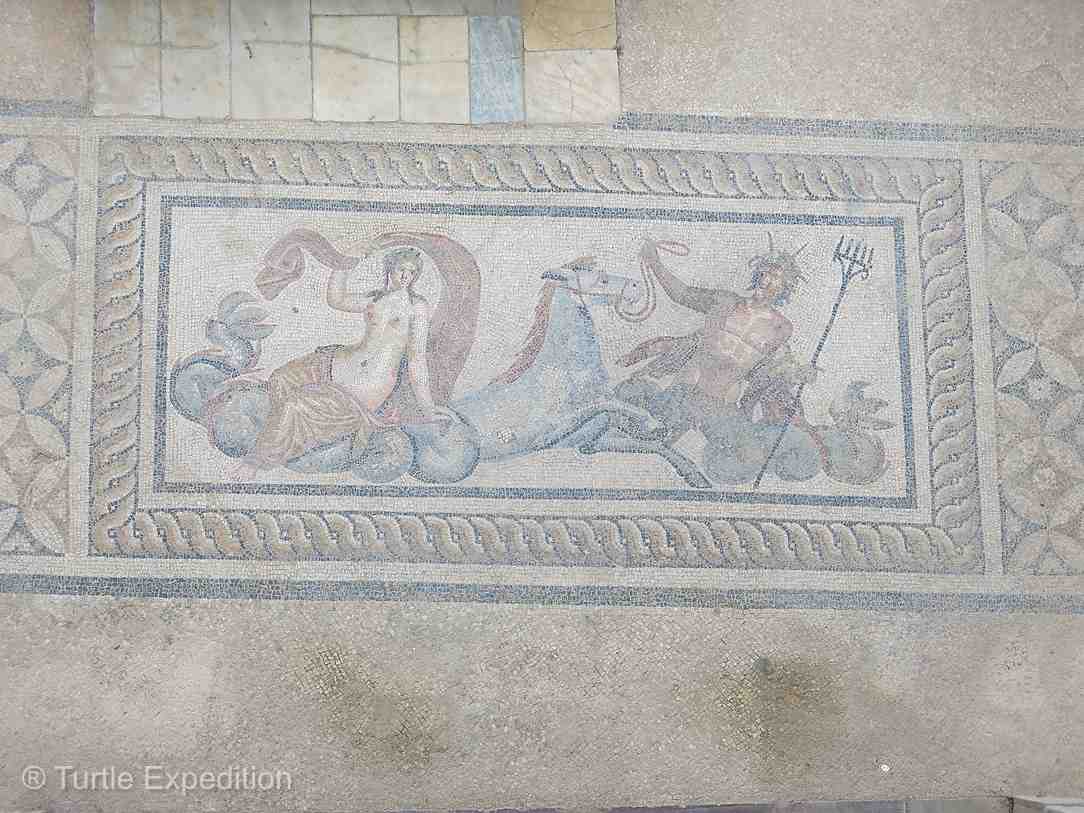
- We were amazed at the intricate details of the floor mosaics. Some looked like paintings from the catwalks above where the tourists could view them.
-
- You almost have to zoom in to appreciate the details of the mosaics.
-
- The Terrace Houses at Ephesus showed how the wealthy lived during the Roman period.
-
- Here is another fine example of an exquisite mosaic floor.
-
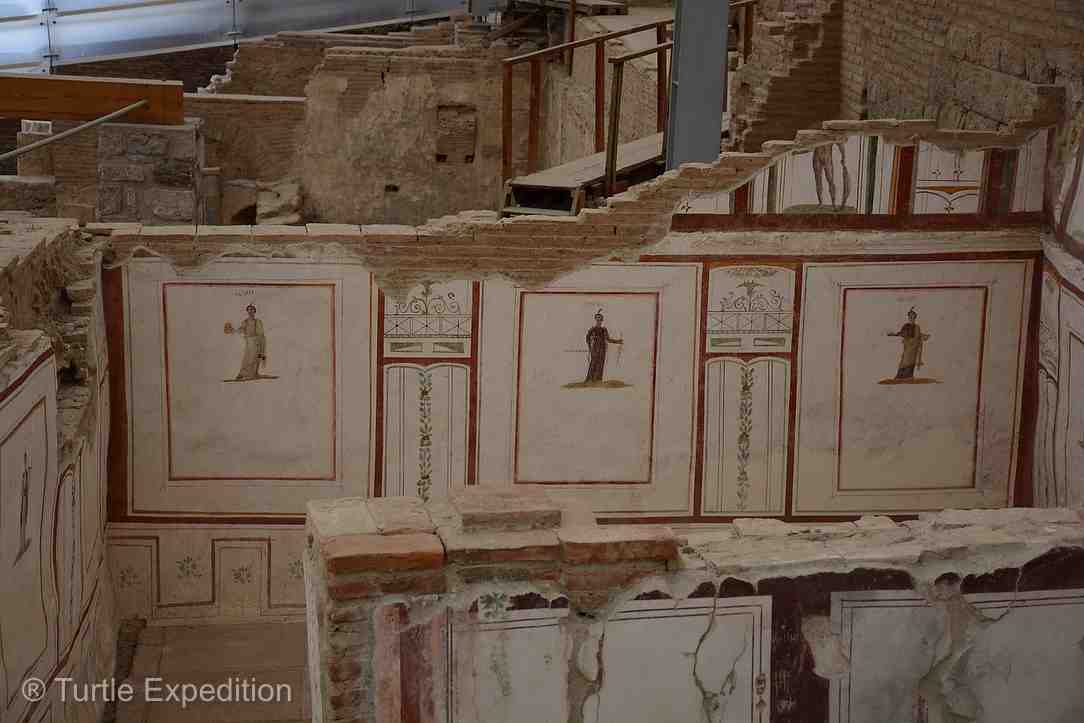
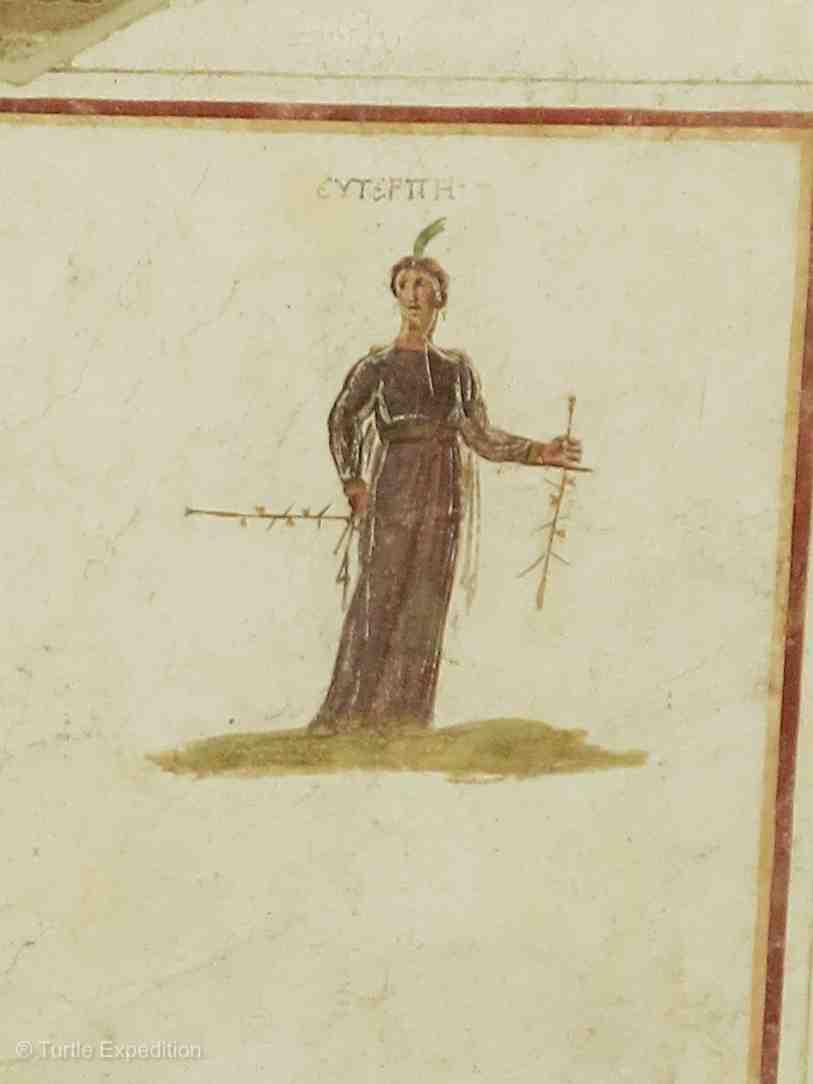
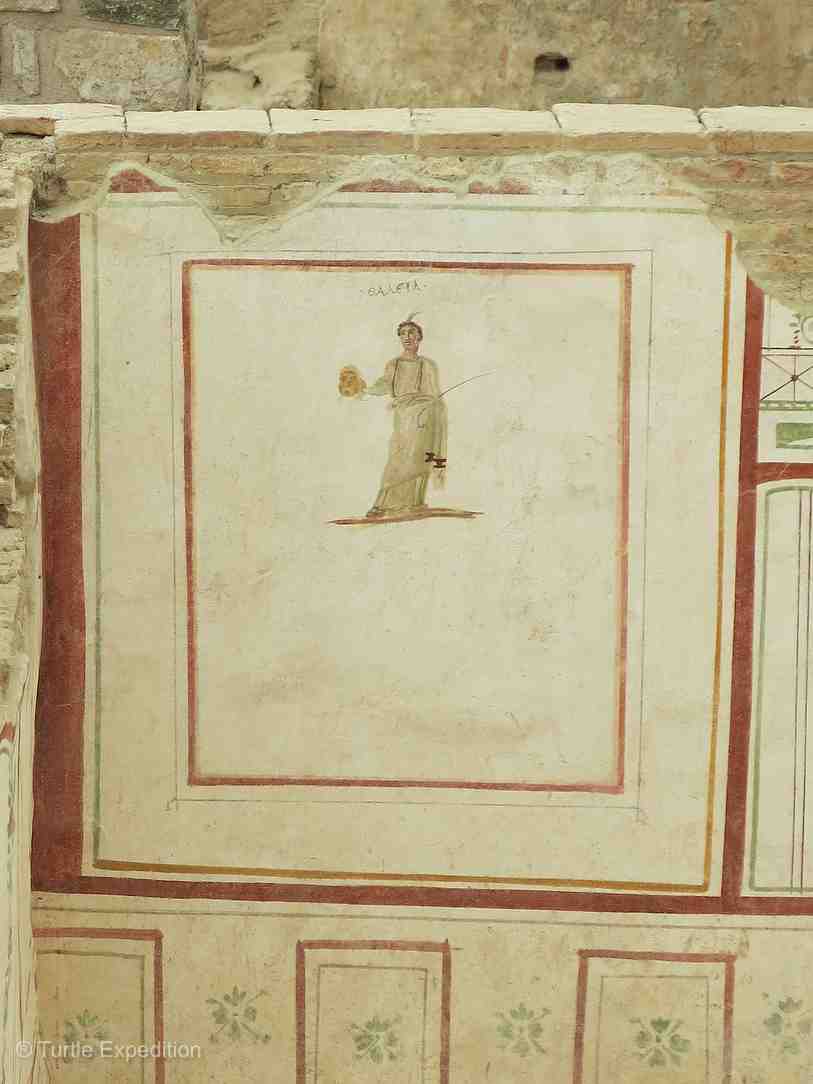
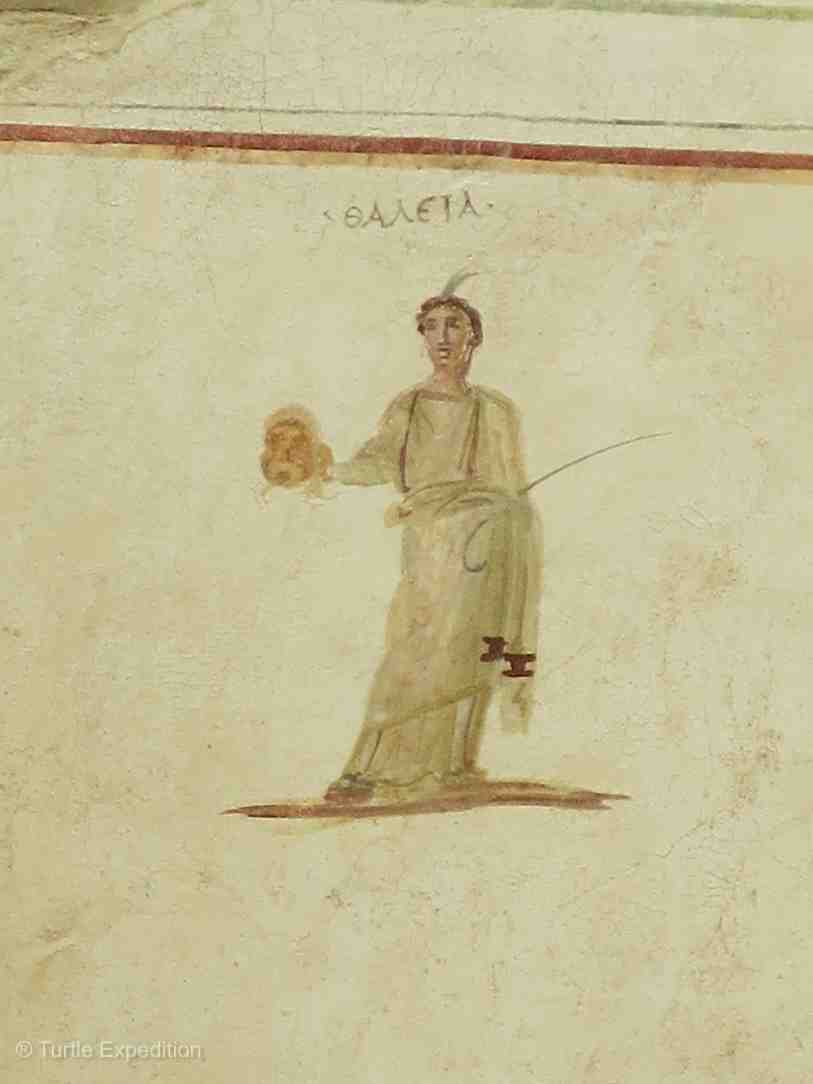
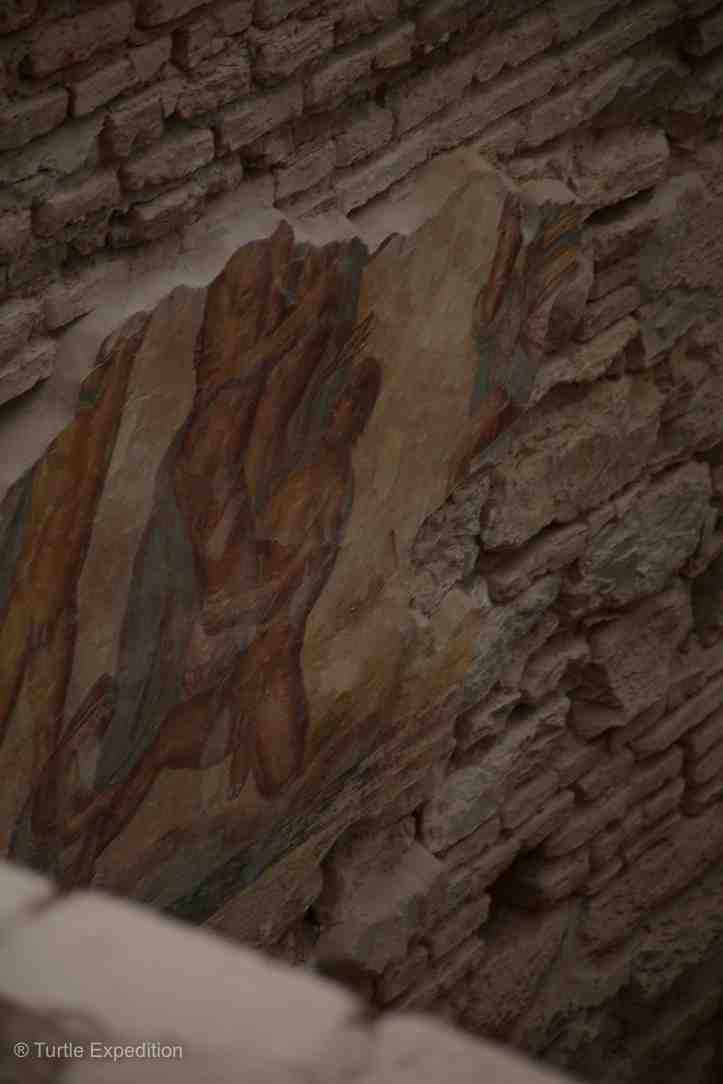
- Some of the walls had beautiful paintings that survived time.
-
- You can zoom in to decide if this is pornography or just beautiful art.
-
- Latrines were part of the Scholastica Baths built in the 1. Century AD. They were open-air public toilets for ventilation. (photo courtesy of www.aboutephesus.com)
-
- Males (no females) who could afford to enter these toilets were frequenting them as part of social life. It was not only a facility to use but also a place to meet and spread gossips. (photo courtesy of www.aboutephesus.com)
-
- The city had one of the most advanced water systems in the ancient world, with multiple aqueducts of various sizes to supply different areas of the city.
-
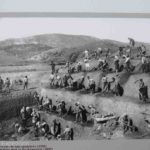
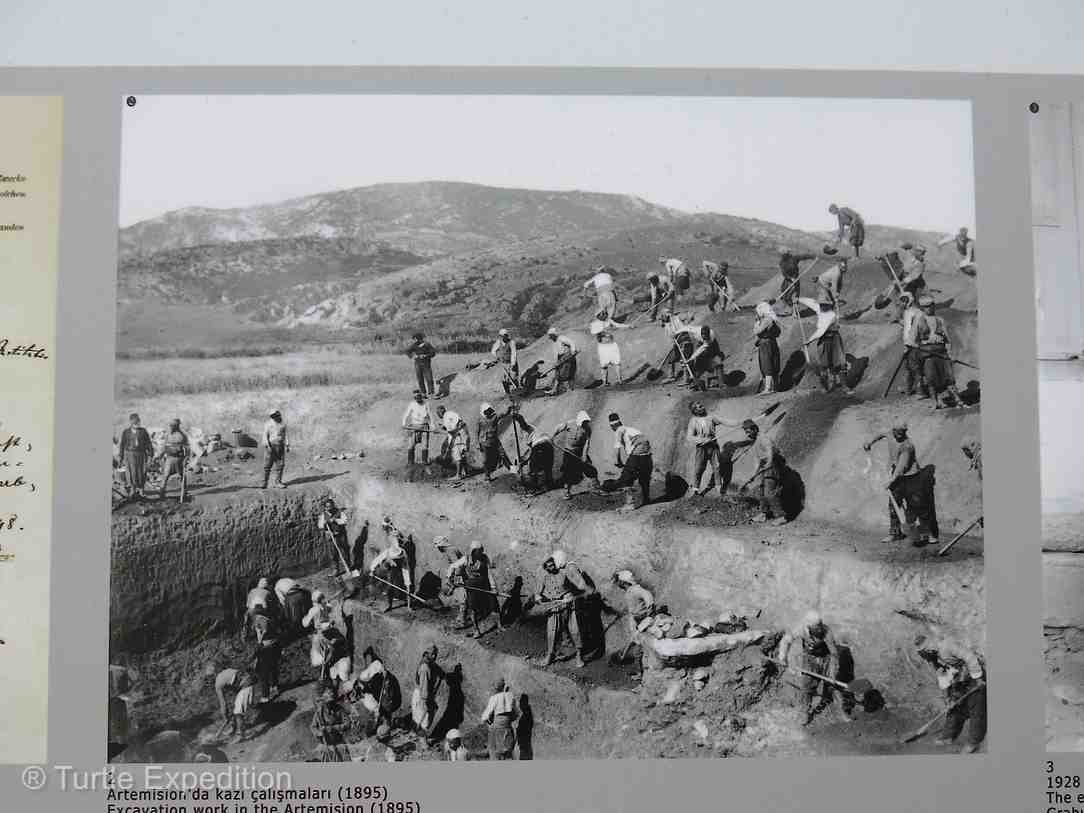
- This photo from 1895 shows some of the early excavation work. It is quite amazing what they have uncovered since then, and yet, much is still buried.
-
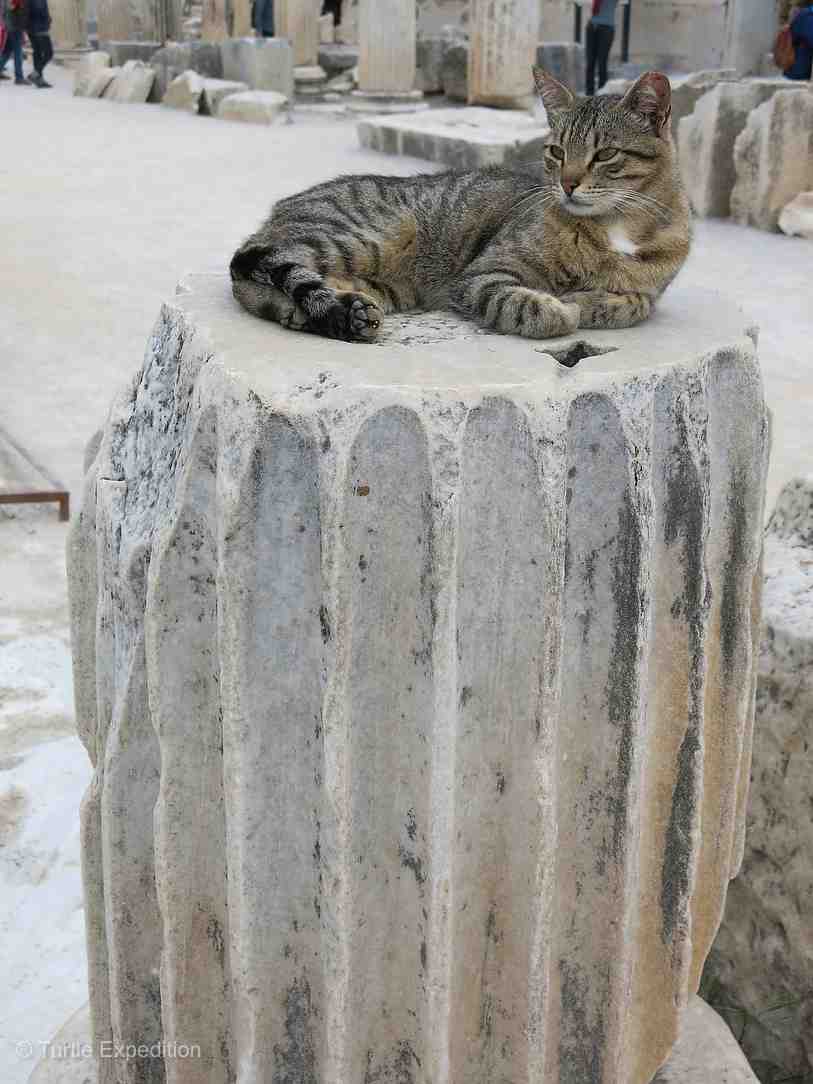
- Cats always find a place in the sun, or is this one of the re-incarnated goddesses of Ephesus?
-
- Even amongst the ruins of history flowers seem to bloom.