

Caravanserais, Turkey 17 – 5/2014
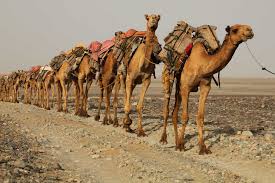
We were now starting to feel that we were truly following the Silk Road. As we drove northeastward across Turkey, we could imagine long caravans of camels carrying furs, hides, charcoal, iron, gold, wool, jade, silk and other luxury goods traveling from Europe to China and vis versa. Some of these caravans may have been made up of hundreds of camels, “The Ships of the Desert”. Their route was determined by safe stopping points where they could replenish food, water and exchange goods. Small fortresses called caravanserais sprang up. We had not seen any evidence of the “Silk Road” as we crossed Europe except for one caravanserai near the Grand Bazaar in Istanbul.
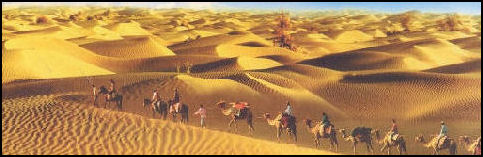
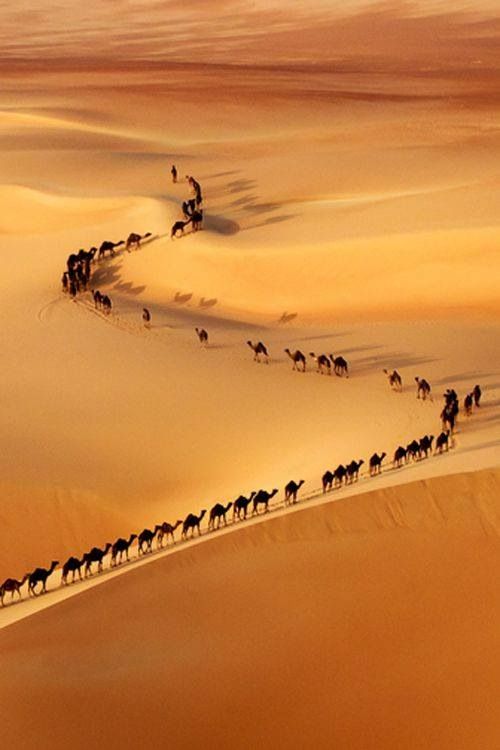
Caravans may have been made up of hundreds of camels, “The Ships of the Desert”.
(Source: Silk Road Caravans website: www.factsanddetails.com)
Just for an interesting comparison, between 1683 and 1834 a similar route was established by exploratory Spanish expeditions that included Jesuit or Franciscan missionaries. They established a series of military outposts and missions stretching from Loreto, southern Baja California, all the way to Sonoma, north of San Francisco. It was called El Camino Real or The King’s Highway. The missions were often protected by Spanish military and provided safe havens for travelers whatever their business might have been. At a length of some 600 miles, (965 km) along both Californias, small towns sprung up around the missions like San Diego, Santa Barbara, and San Francisco, long before other highways were built. The original El Camino Real slowly faded into history though today, Highway 101 closely corresponds to the officially recognized El Camino Real.
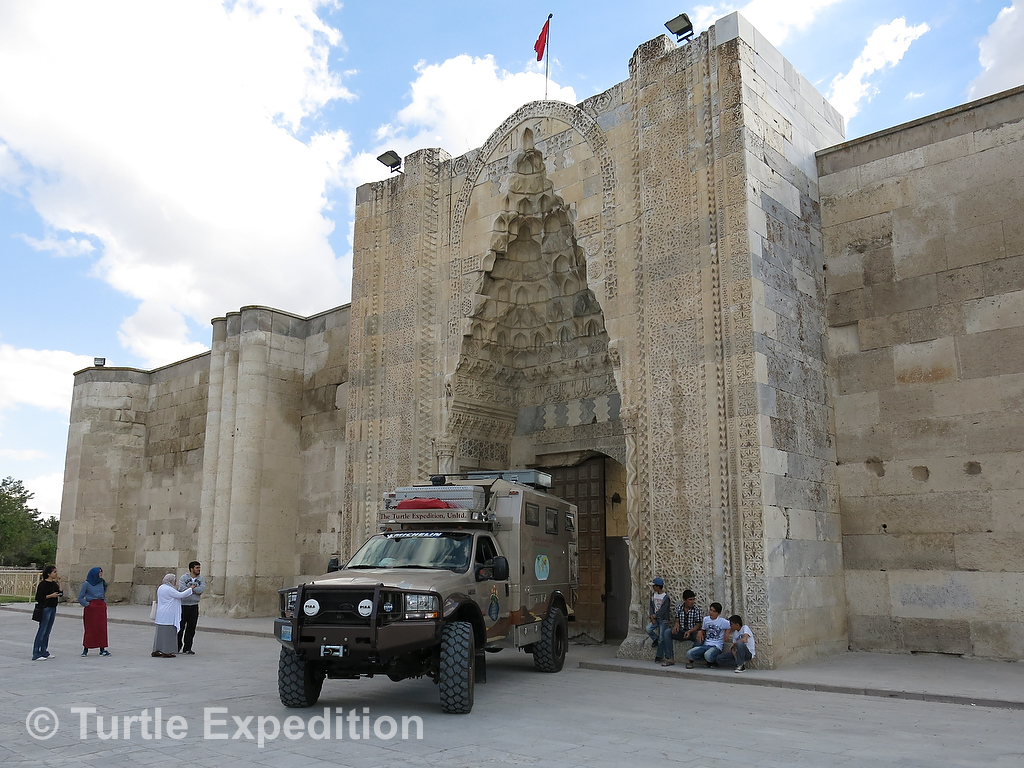
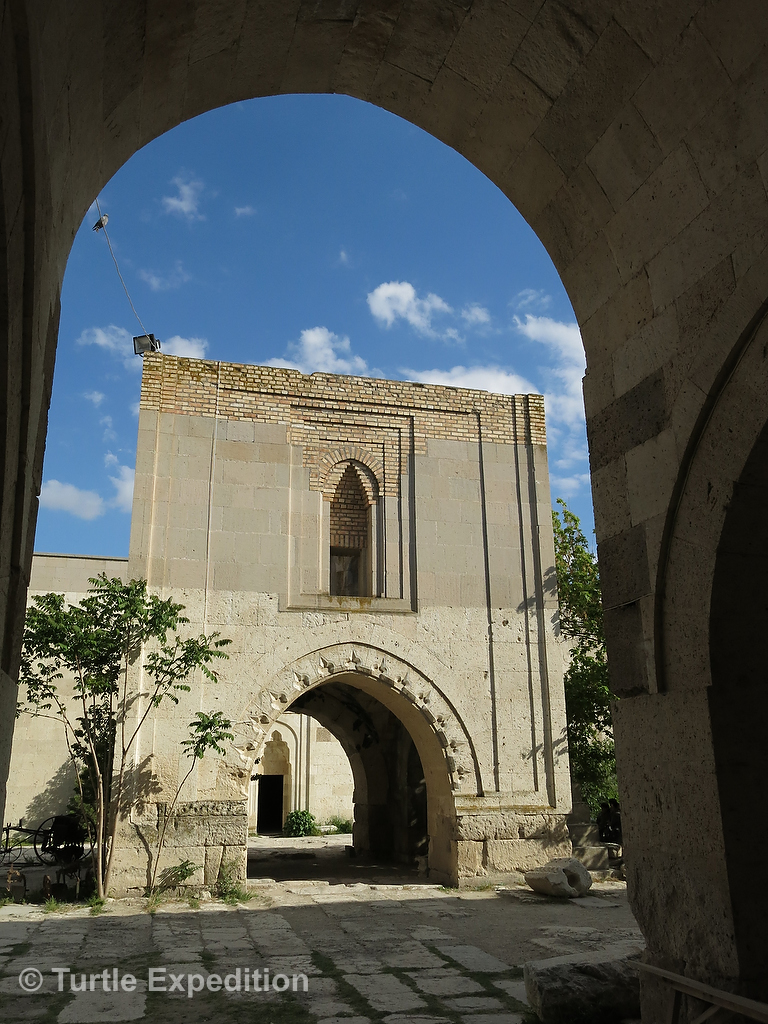
The Aksaray-Sultanhan is the largest Caravanserai in Turkey.
The Silk Road followed by Marco Polo was such a route, but when it reached Asia Minor and the Mediterranean in the West, it began to fan out in all directions to deliver its precious goods. Caravanserais, like the missions of California, were no longer the only places for travelers to rest and replenish. We have often explored the old missions of California for their romantic history. Now we were excited as we began coming upon ancient caravanserais in Turkey.
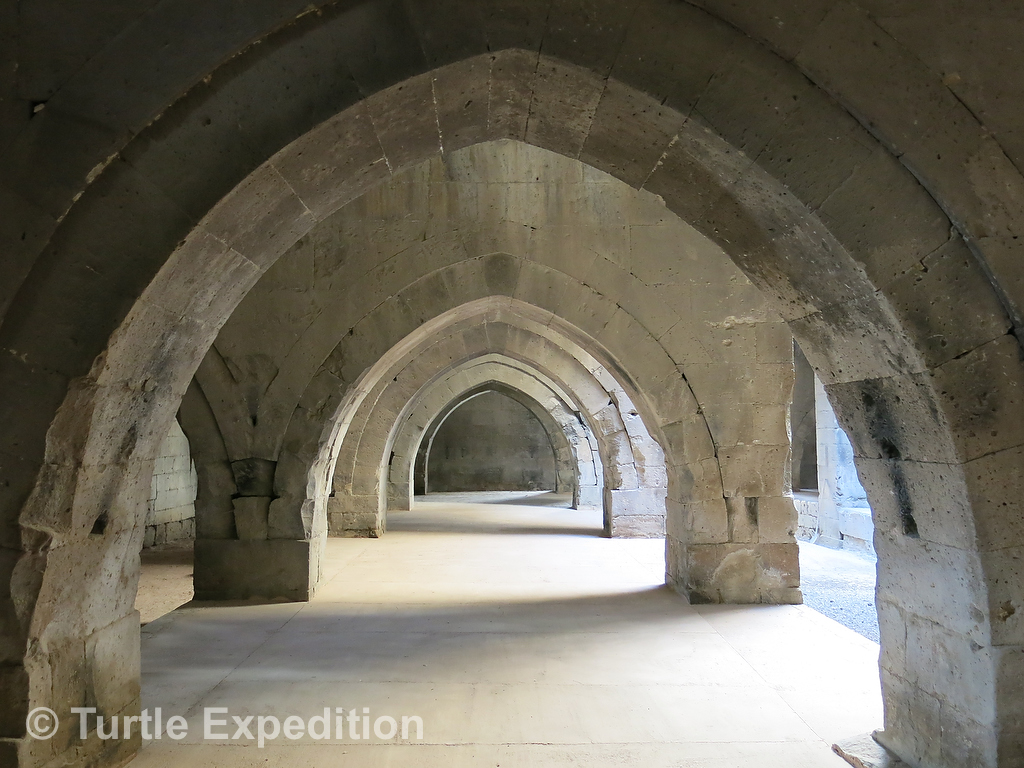
A typical large caravanserai consisted of two sections, an open area for use in the summer and a covered one for winter. Fortified walls and a massive gate kept unwanted intruders out. In the center there was often a small mosque for prayers. Around the courtyard were rooms used for the kitchen, dining, bathrooms, and living and sleeping quarters. Other rooms were used for fodder, stables, warehouses for storing goods, and sometimes, doctors, veterinarians, and farriers, (horseshoe makers), were on hand. Many resembled small fortresses with guards in watch towers to protect the caravans from bandits.
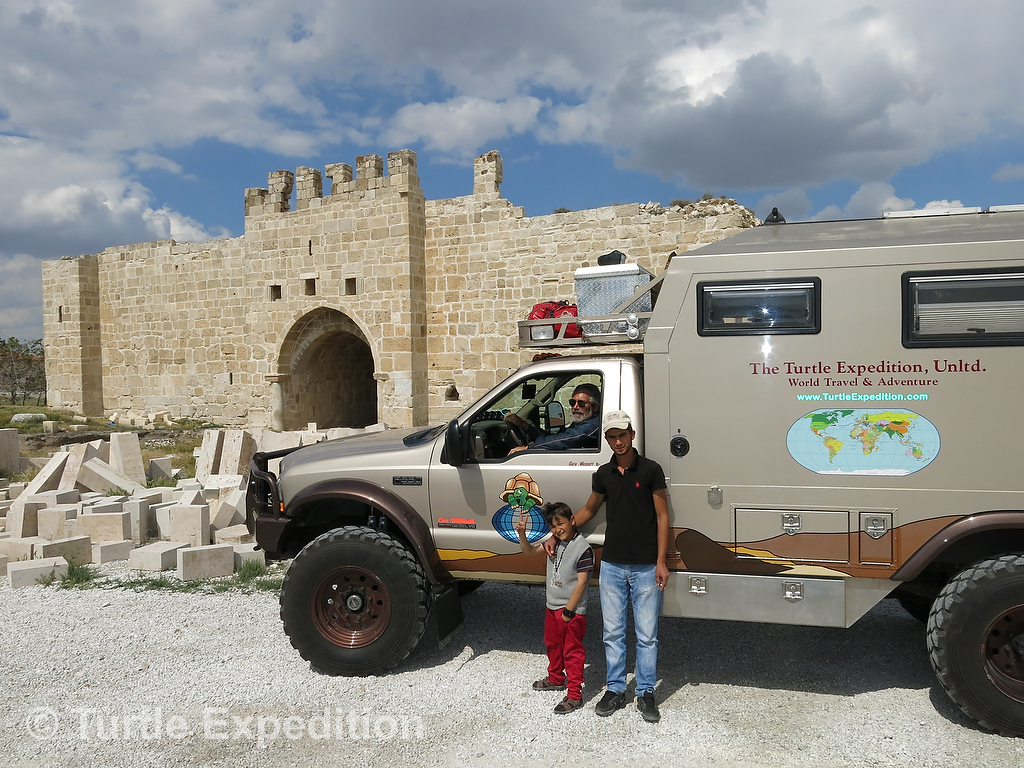
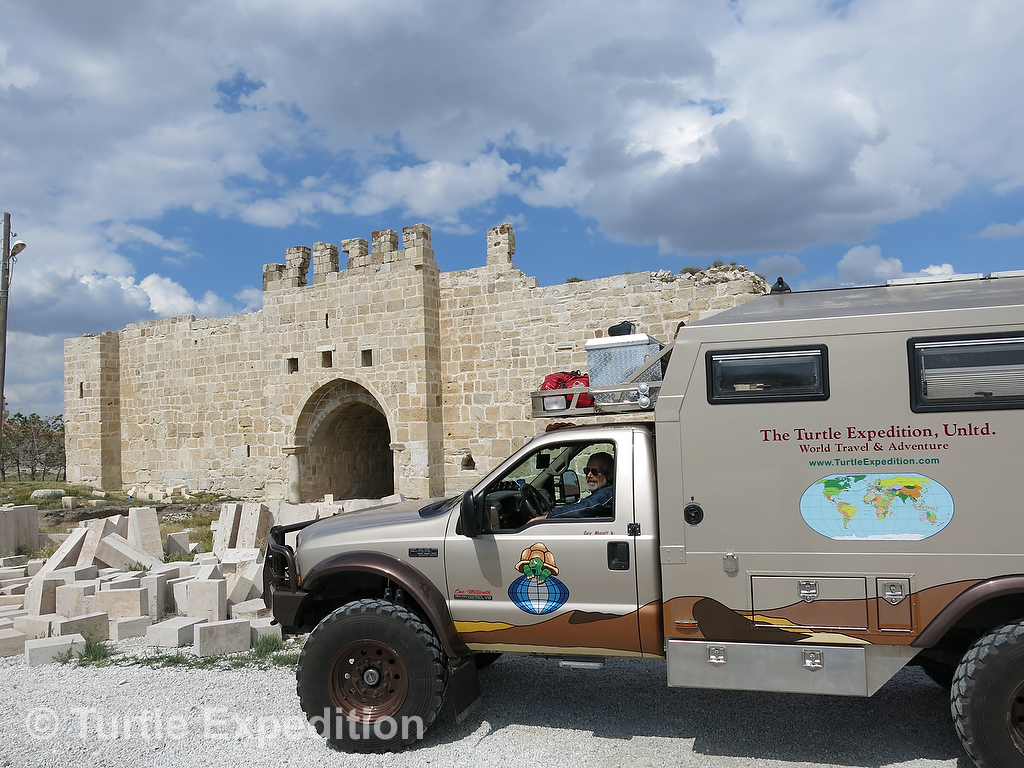
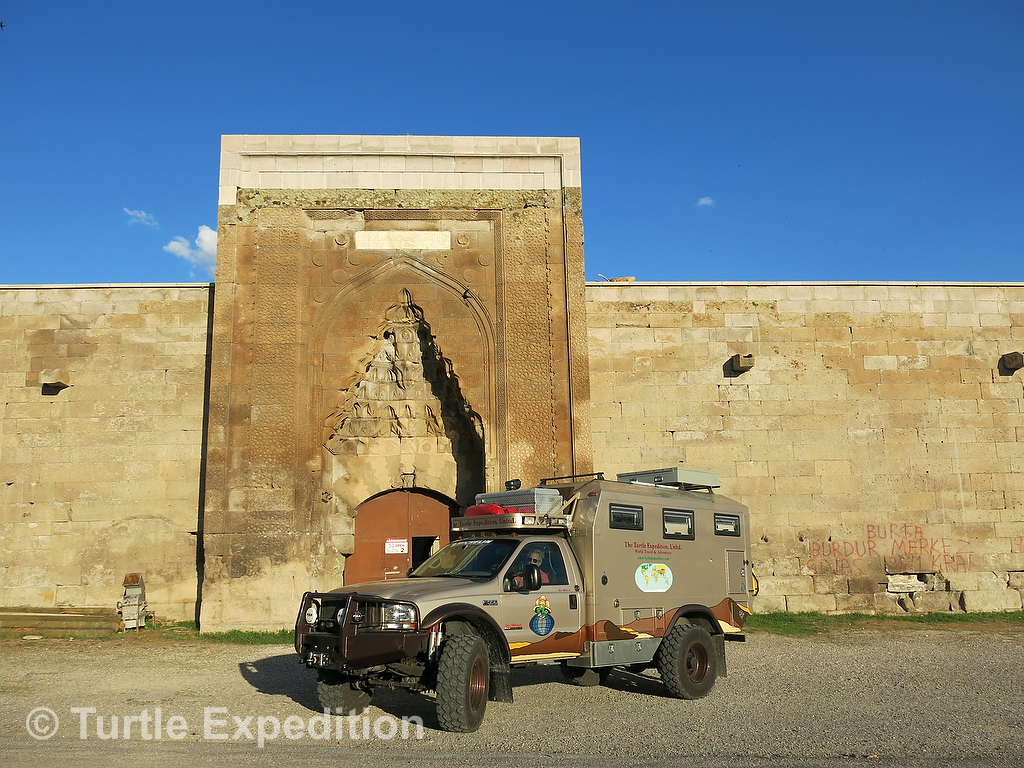
These two local guys were delighted to have their photo taken with The Turtle V parked in front of the Obruk Caravanserai.
Silk Road goods carried overland were not loaded onto camels and carried to and from China and Europe. They made their long journey in a piecemeal way, with lots of loading, unloading and trading at the caravan stops along the route. Few people traveled the Silk Road from one end to the other as Marco Polo did, or as we were doing.
Caravanserais were free for the first three days. Owners made their money from charging fees for animals, and selling meals and supplies. They often supplemented their income by gathering manure to sell it for fuel or fertilizer. The price for manure was set according to the animal that produced it and how much straw and grass was mixed in. Cow and donkey manure was regarded as high quality because it burned the hottest and kept mosquitos away.
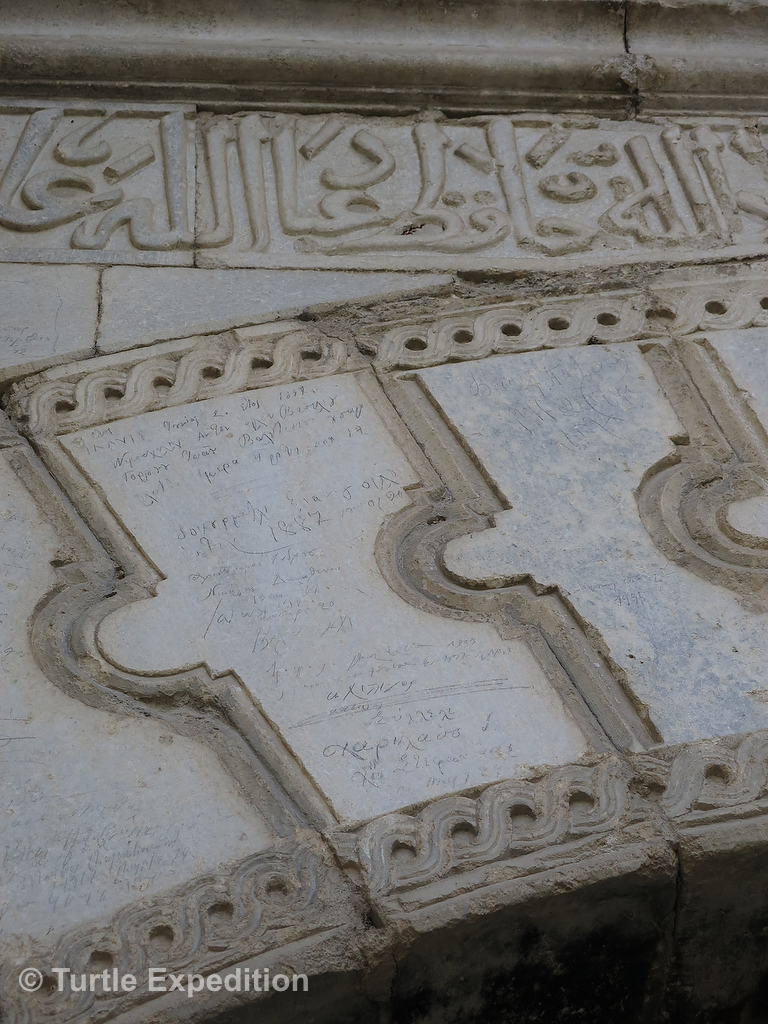
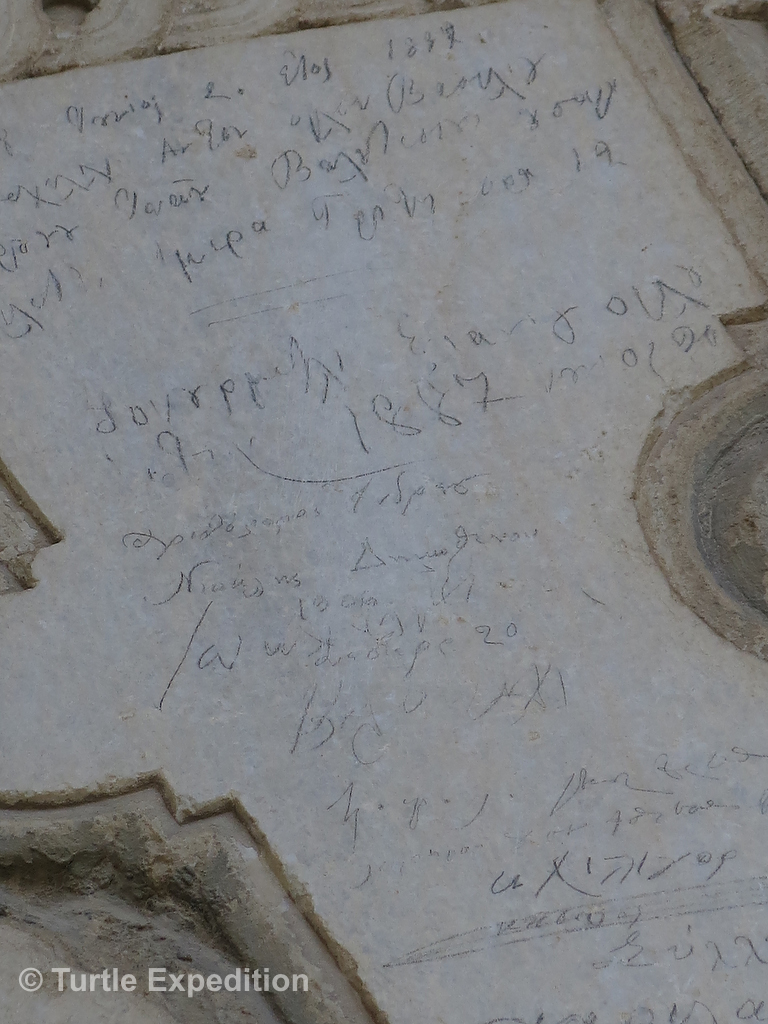
Graffiti on an archway inside the Aksaray-Sultan Caravanserai. What might it say?
Some of these caravan stops became rich cities, including Khiva, Bukhara, Samarkand and Kashgar, places we will visit in the coming months. As the stopovers grew, they included banks, exchange houses, trading firms, markets, brothels and places where one could smoke hashish and opium. After leading a large caravan of unruly, obnoxious camels across the desert or over the high mountain passes through the Wakhan corridor where winter temperatures could drop below -20°F, some measure of relaxation was probably acceptable.
Unfortunately, we only had one camel, our trusted Turtle V, but we always found safe parking nearby for the night, and being outside gave us the great opportunity to meet the local people.
-
- Photo Source: Silk Road Caravans website: www.factsanddetails.com
-
- Photo Source: Silk Road Caravans website: www.factsanddetails.com
-
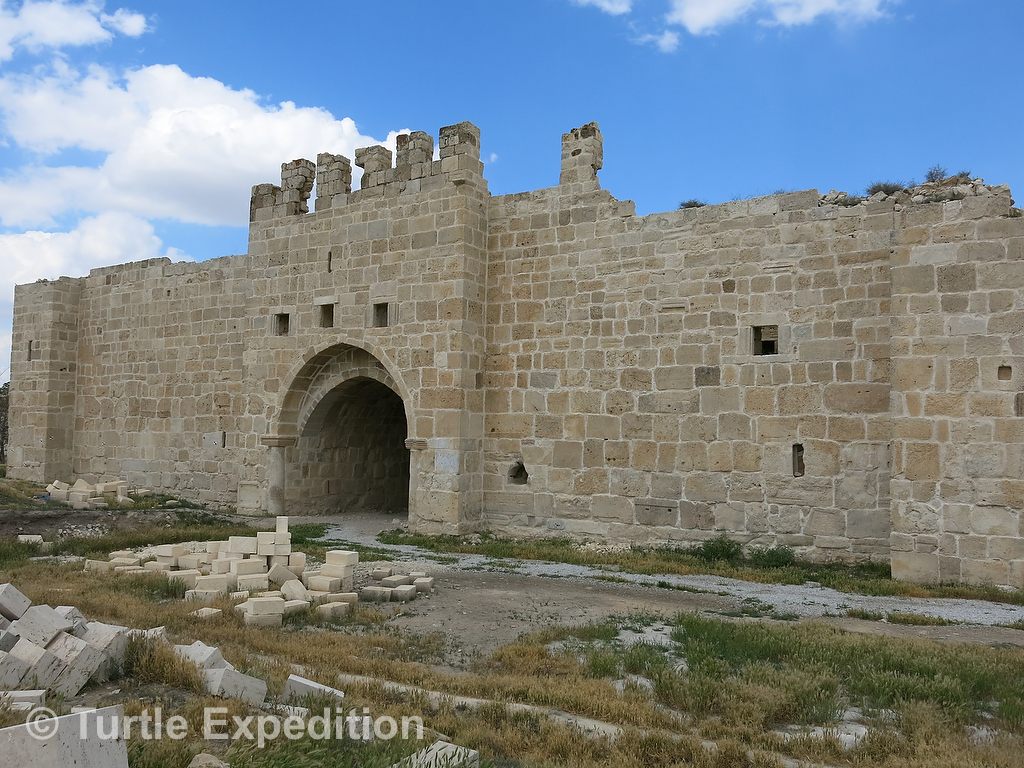
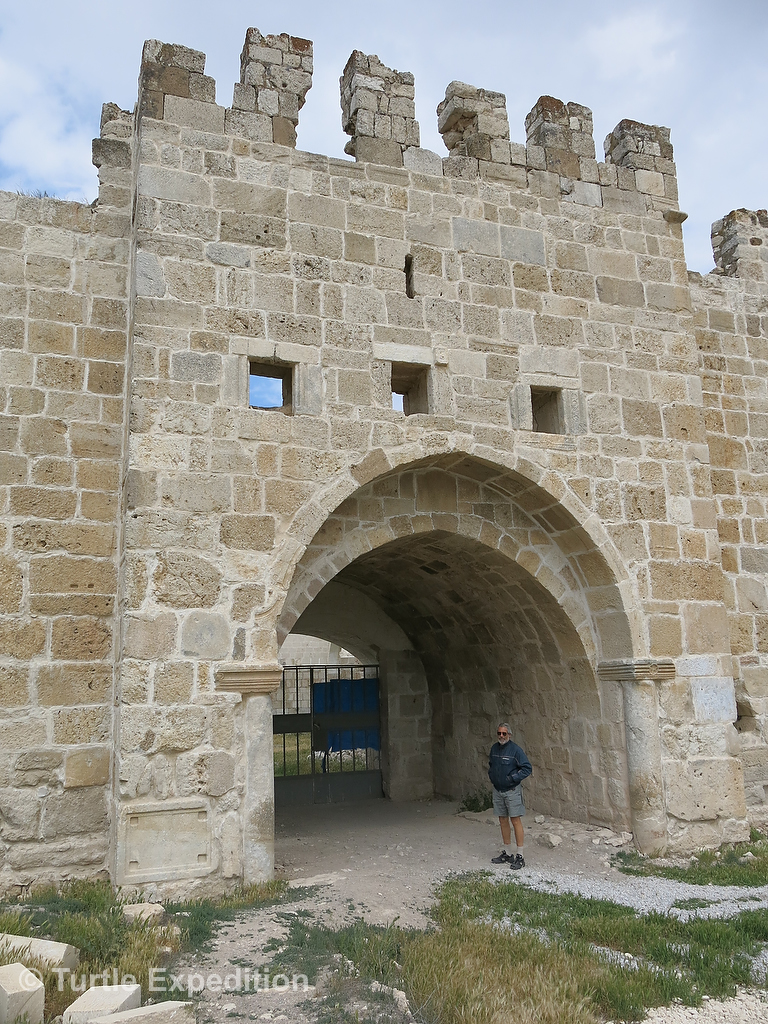
- The Obruk Caravanserai was built during the first half of the 13th century.
-
- The upper floor of the entrance was the prayer room. The front façade resembled a castle.
-
- A caravanserai is also called “Han” (“Inn”) so this one would be Obruk Han.
-
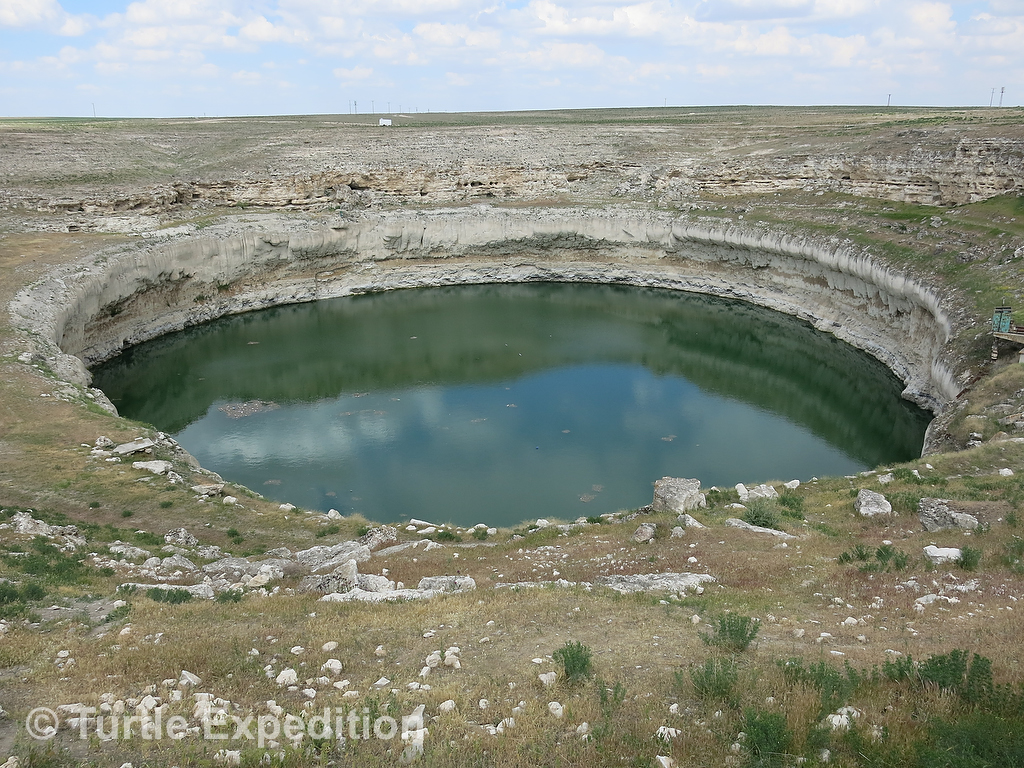
- This waterhole was probably the reason why the Obruk Caravanserai was built.
-
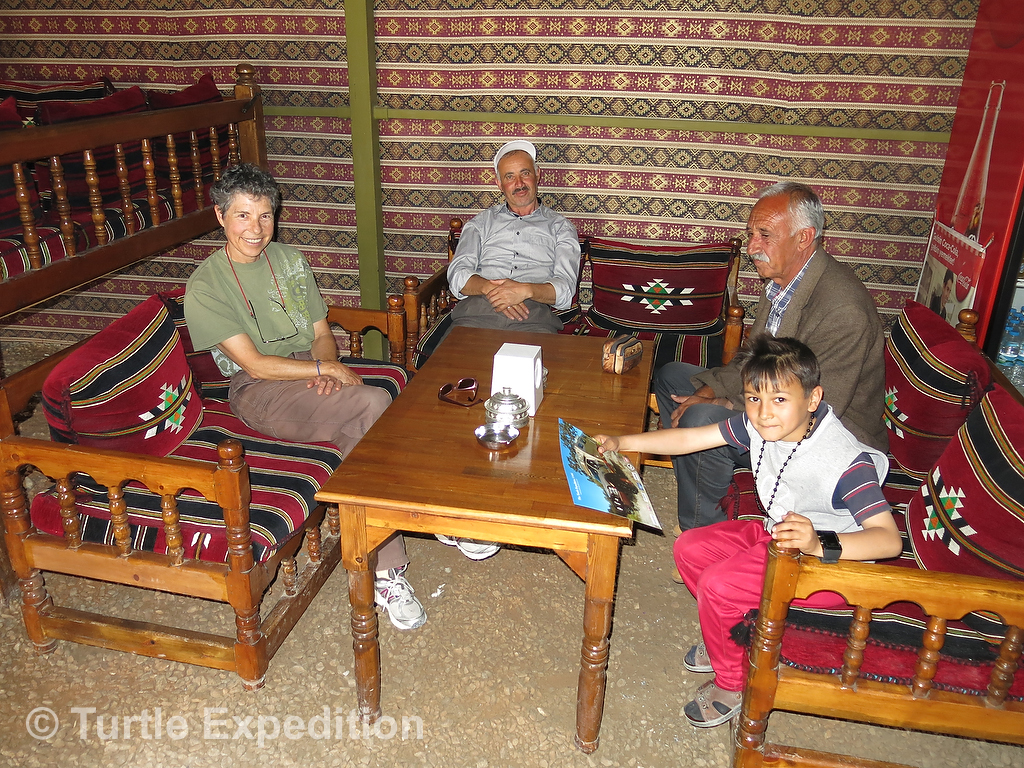
- The caretakers of the Obruk Caravanserai graciously invited us to their tent for a cup of tea.
-
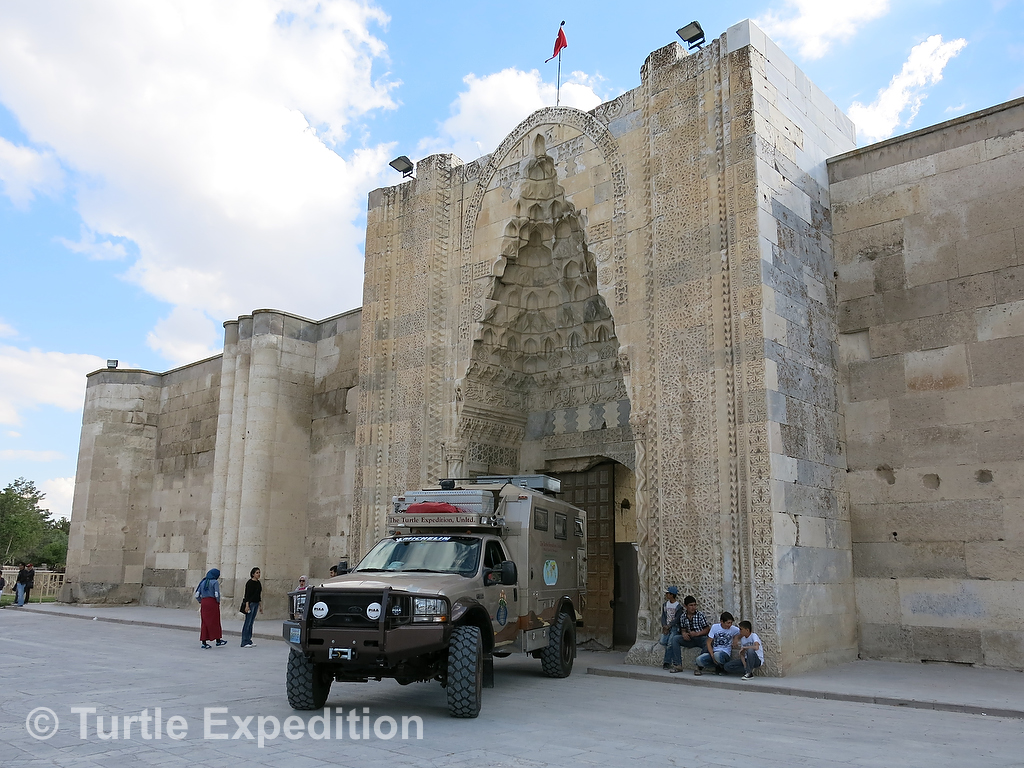
- The Aksaray-Sultan Caravanserai (Aksaray-Sultanhan) was built in 1229 and extended in 1278, making it the largest in Turkey.
-
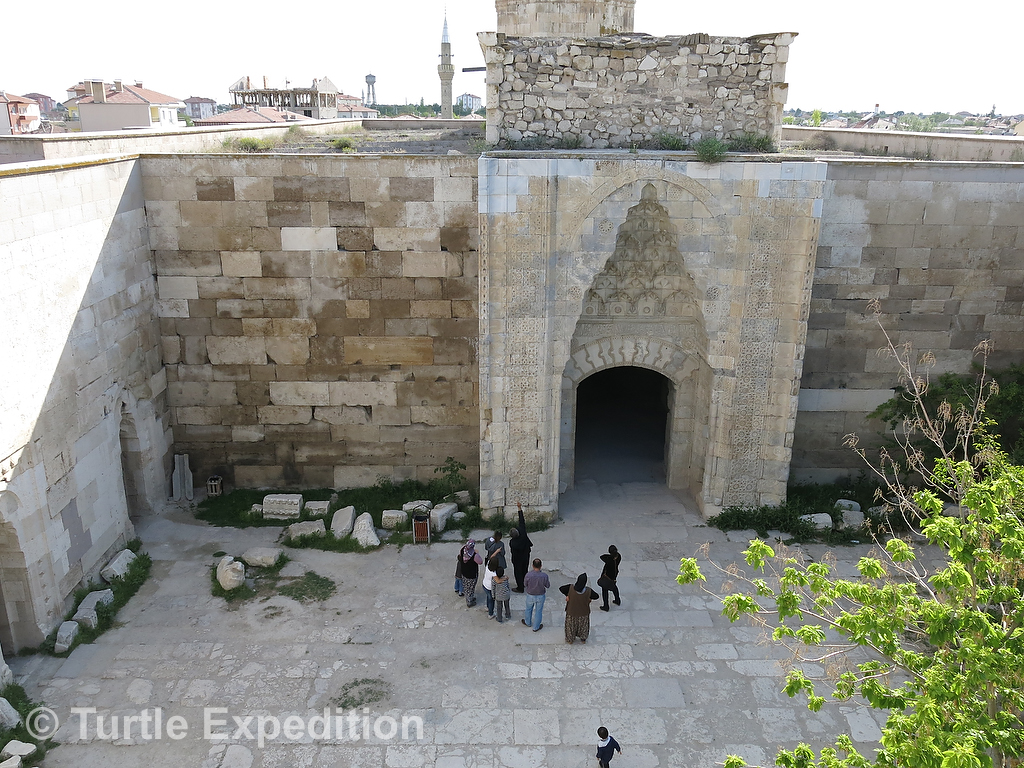
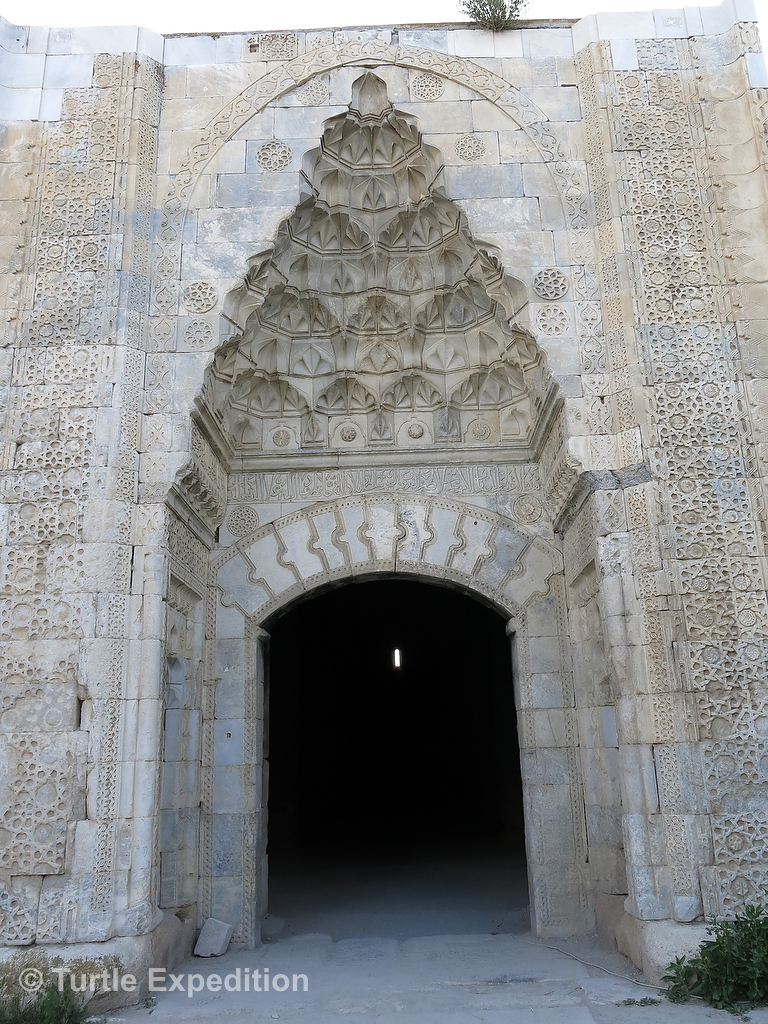
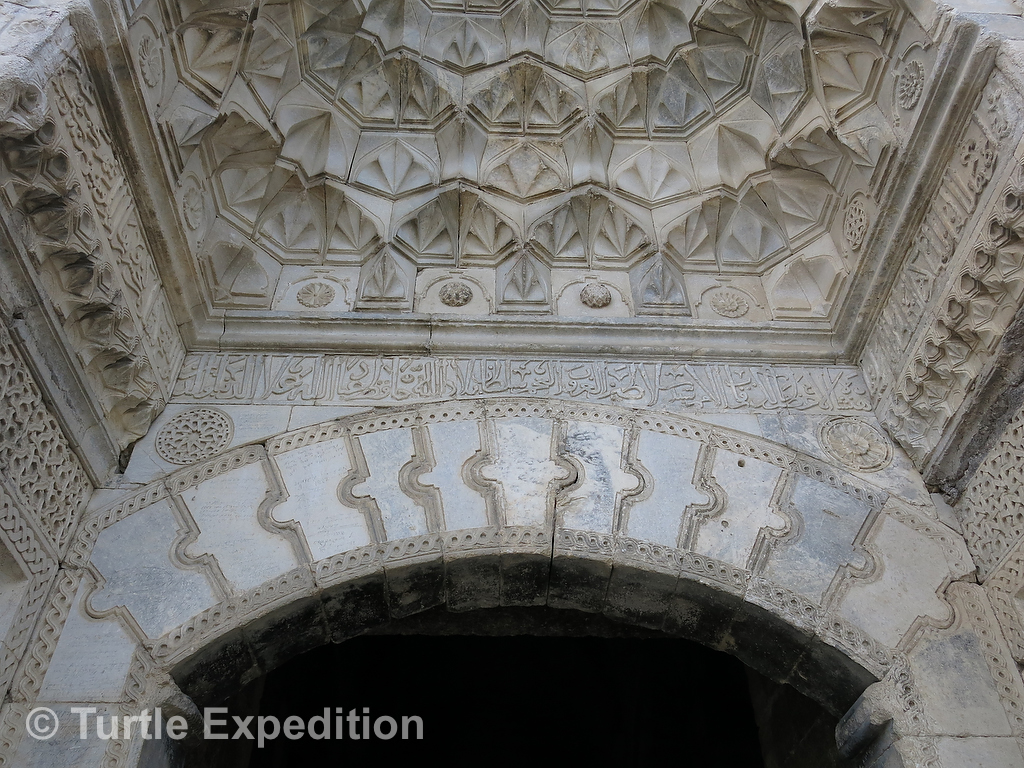
- The Aksaray-Sultan Caravanserai was a classic design with both open and covered areas. Its beautiful marble portal closed with a big iron gate.
-
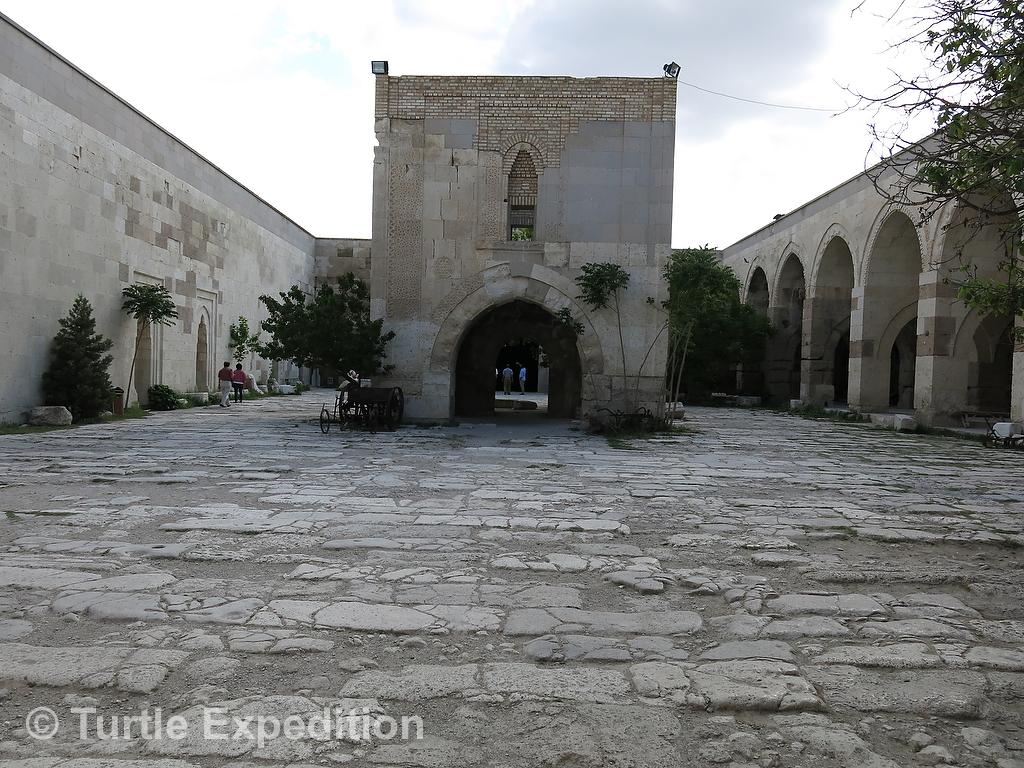
- A small mosque built as a pavillion on four arches is in the middle of the open courtyard.
-
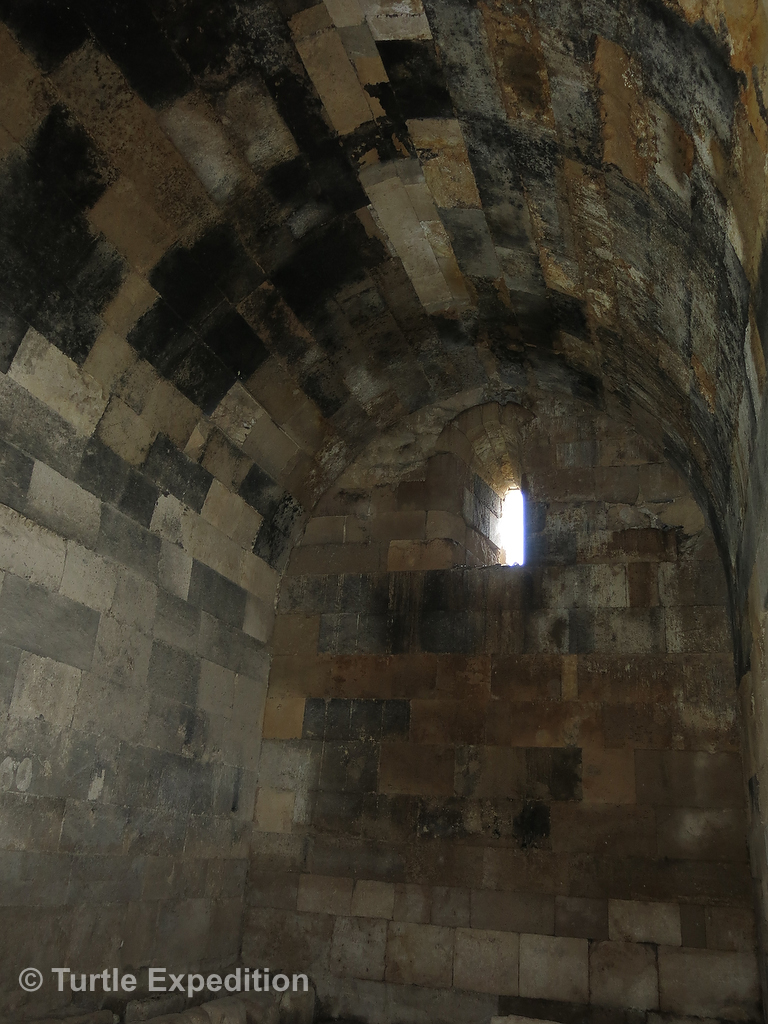
- Judging by the soot covered blocks on the ceiling of this room it may have been a kitchen area.
-
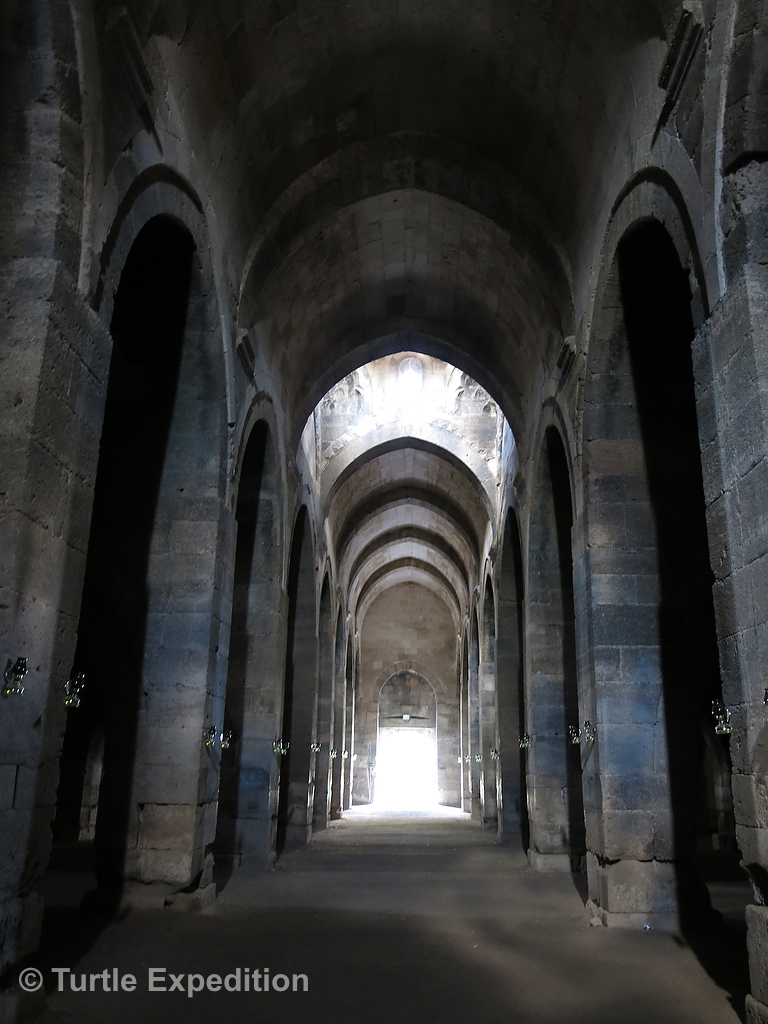
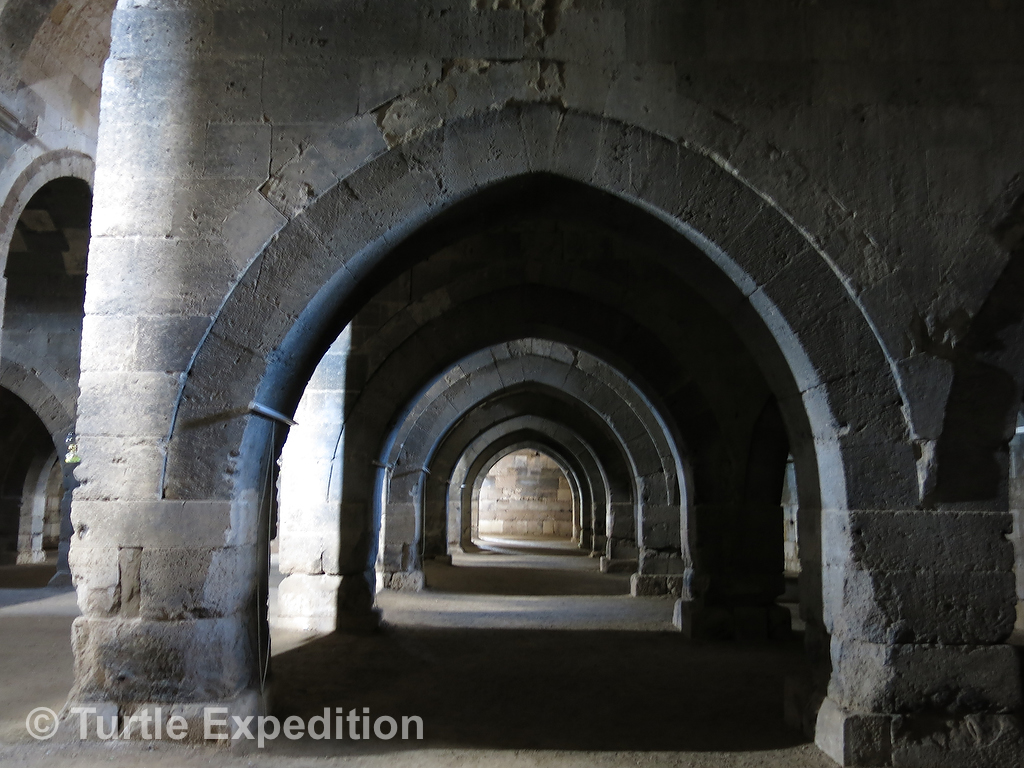
- The long rows of rooms in the Aksaray-Sultan Caravanserai allowed it to accommodate large caravans.
-
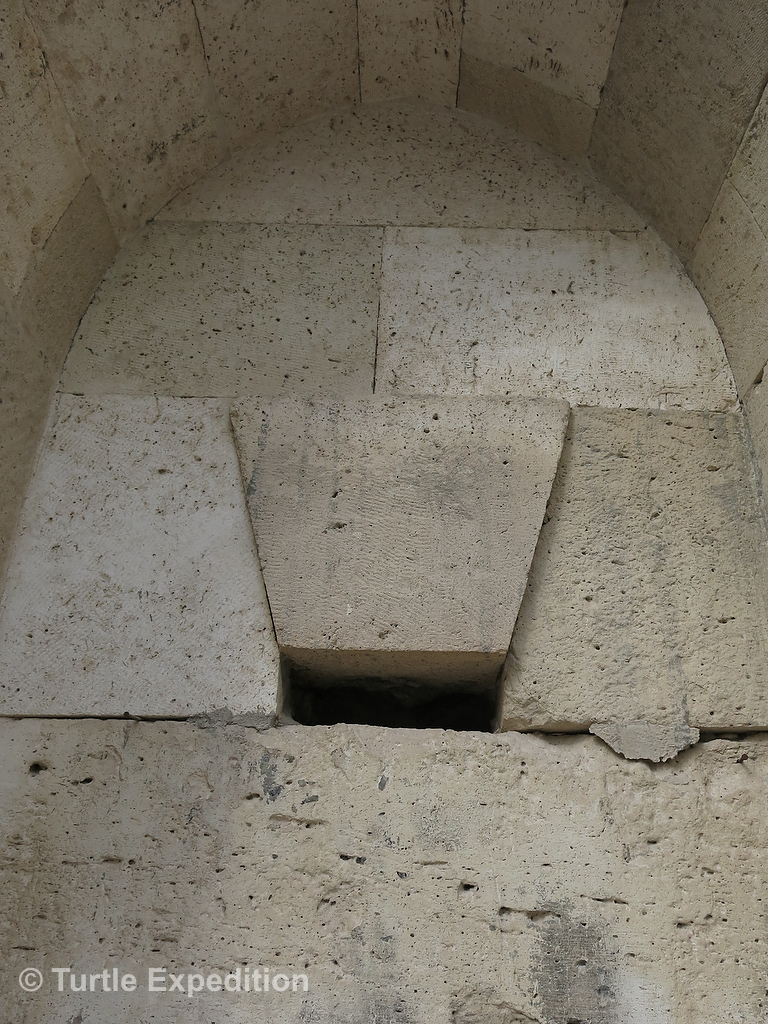
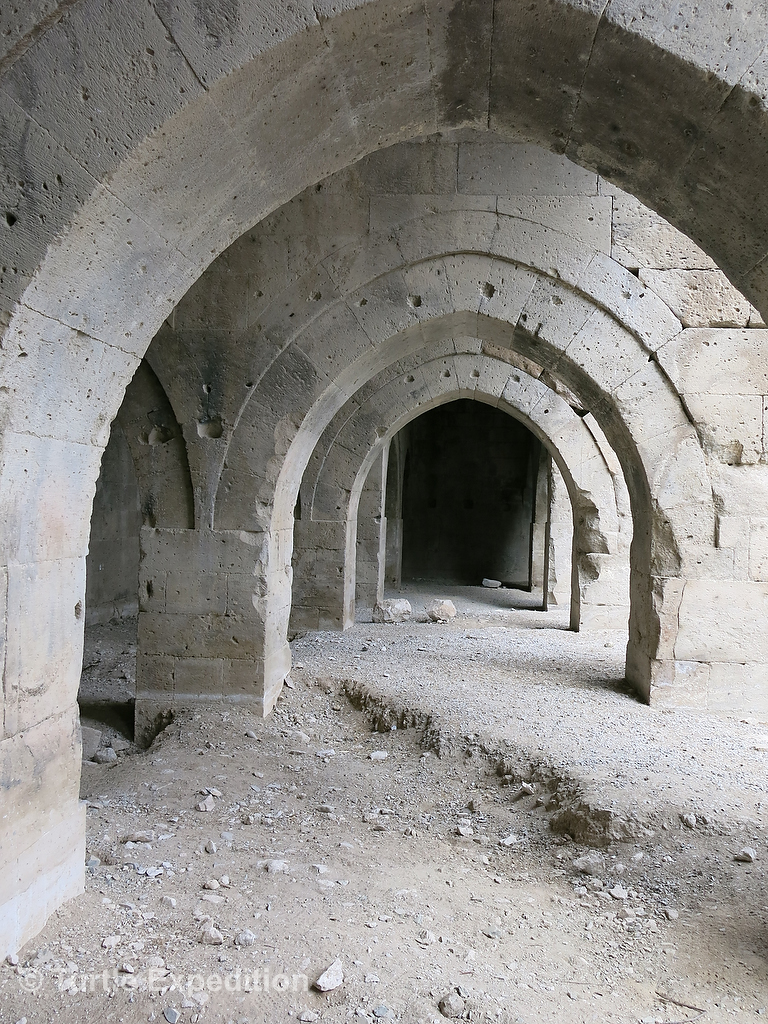
- We always love to see this amazing form of architecture that holds things together without cement using a keystone.
-
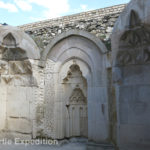
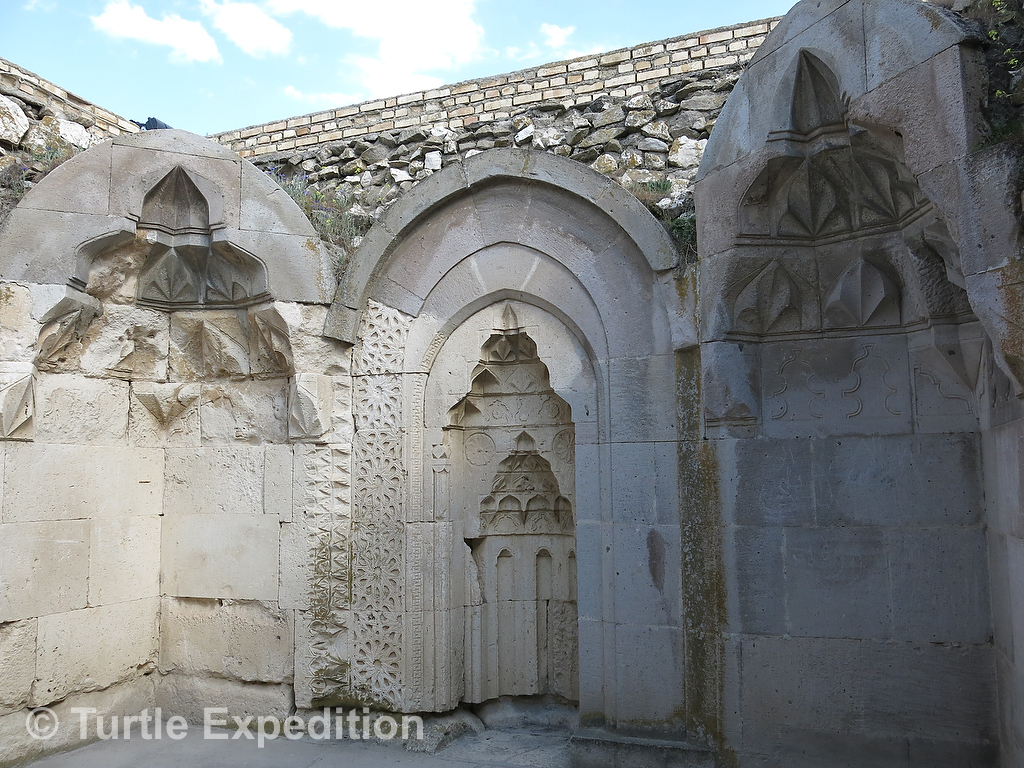
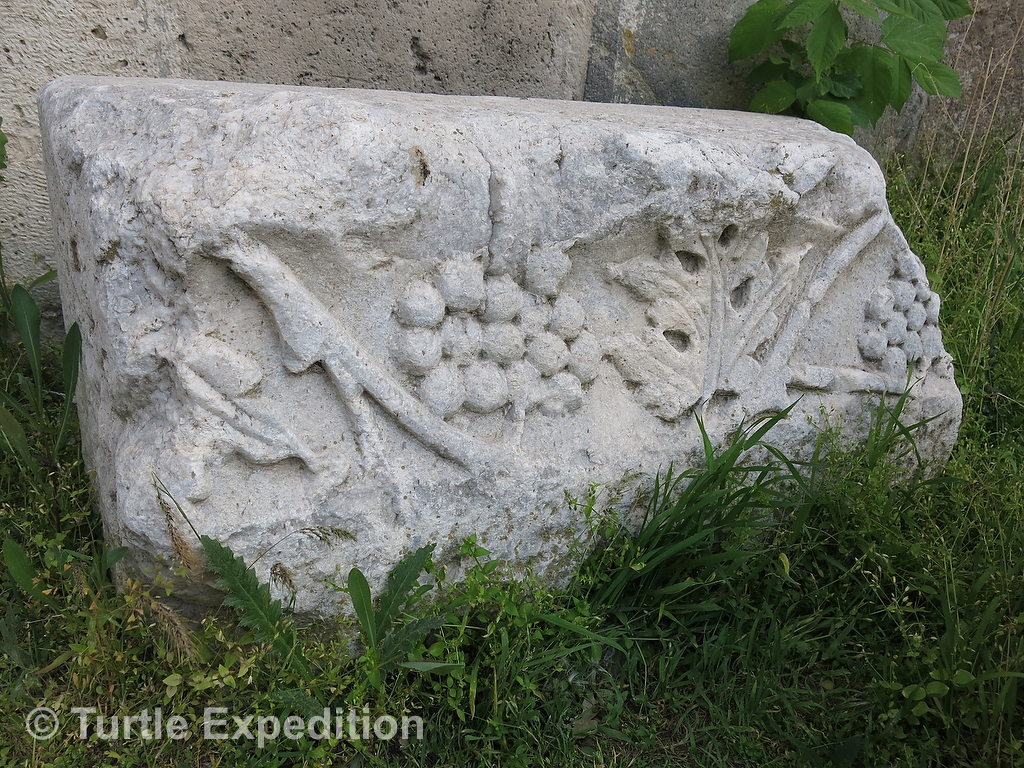
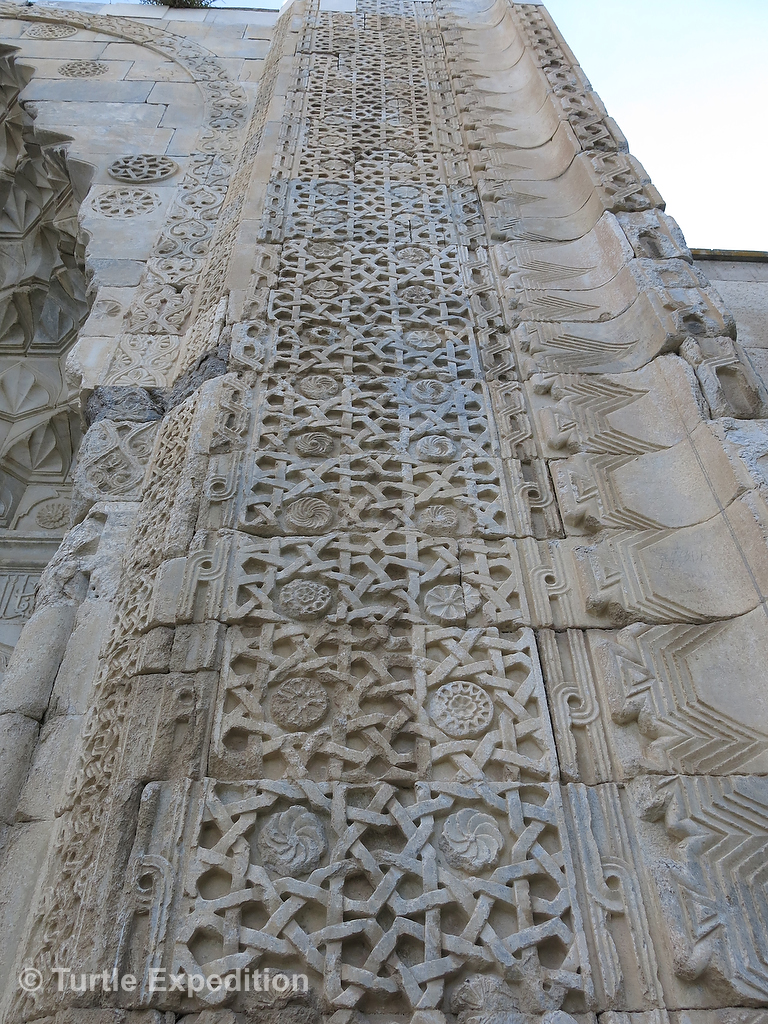
- Much of the detail that remains inside the Aksaray-Sultan Caravanserai shows the amazing skill of the designers and craftsmen. This was the Ritz-Carlton of Caravanserais!
-
- A little bit of graffiti from 1837 and 1887. We wonder if they were complaining about the service at the Aksaray-Sultan Caravanserai….
-
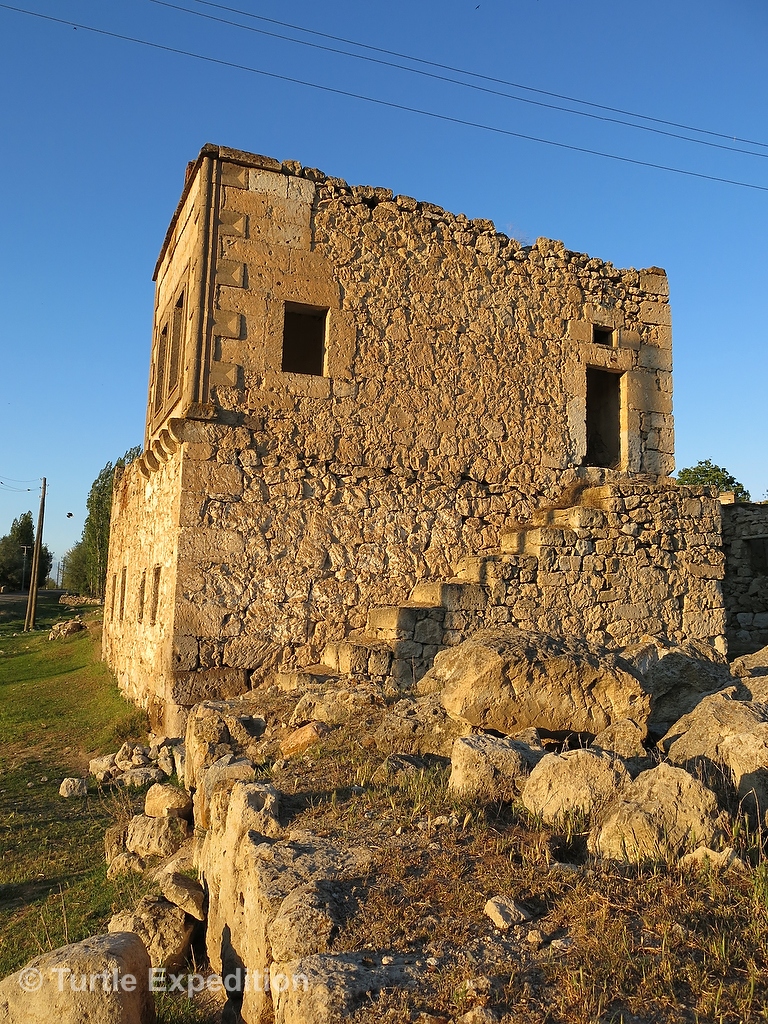
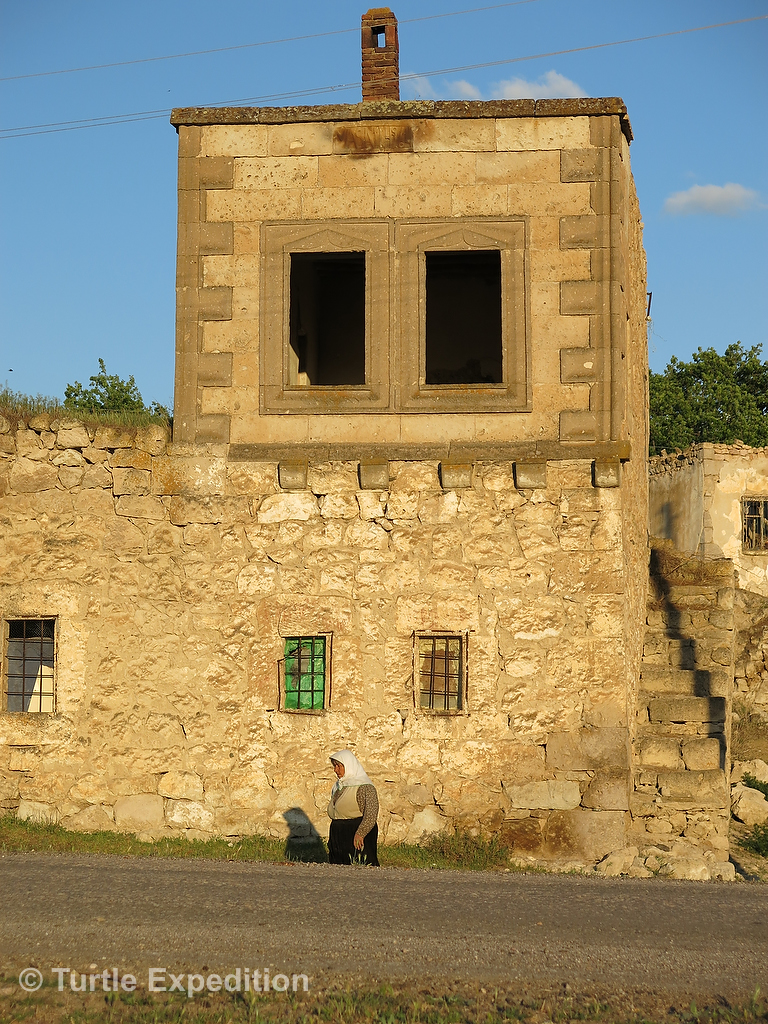
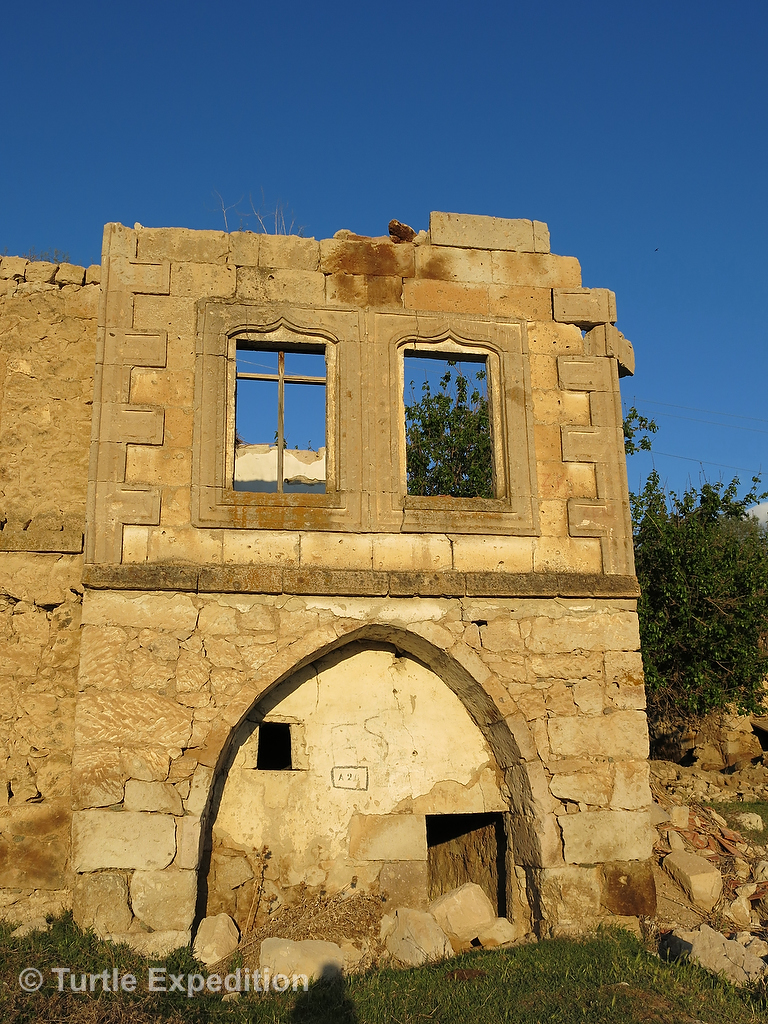
- Many of the stone buildings surrounding the Hoca Mesut Caravanserai were made of carefully fitted rocks.
-
- The buildings have withstood the test of time, wars and earthquakes.
-
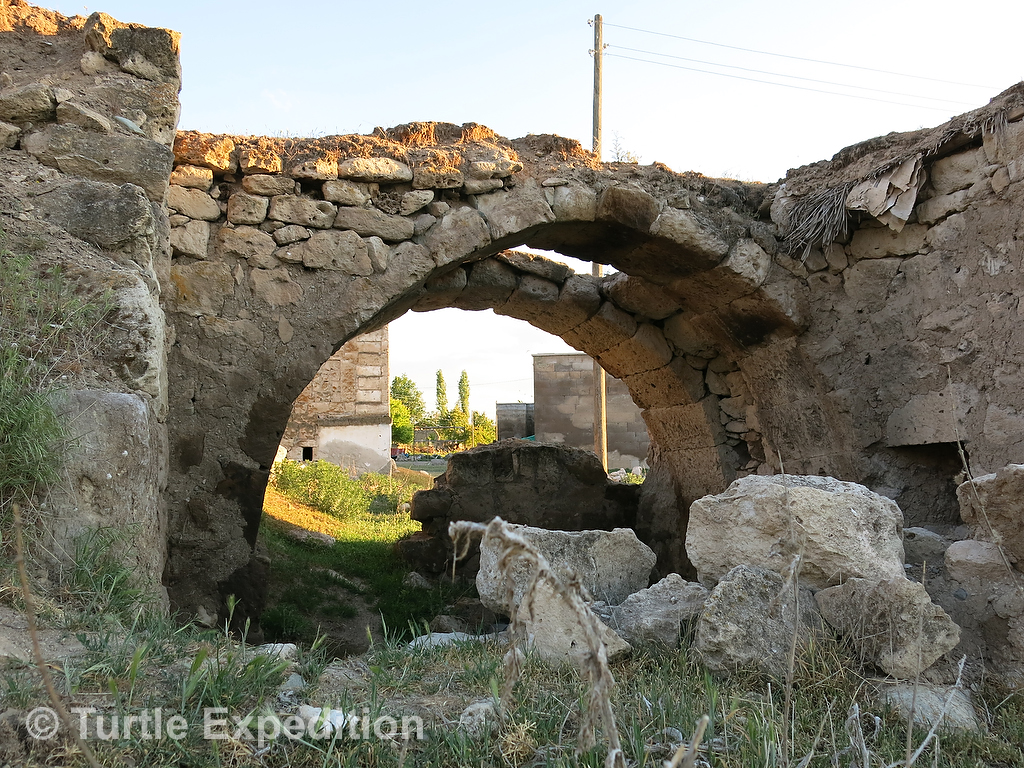
- The delicate arches of ancient waterways held their shape even after years of neglect.
-
- The Hoca Mesut Caravanserai from the 13th century was a beautiful way-post, currently undergoing renovation.
-
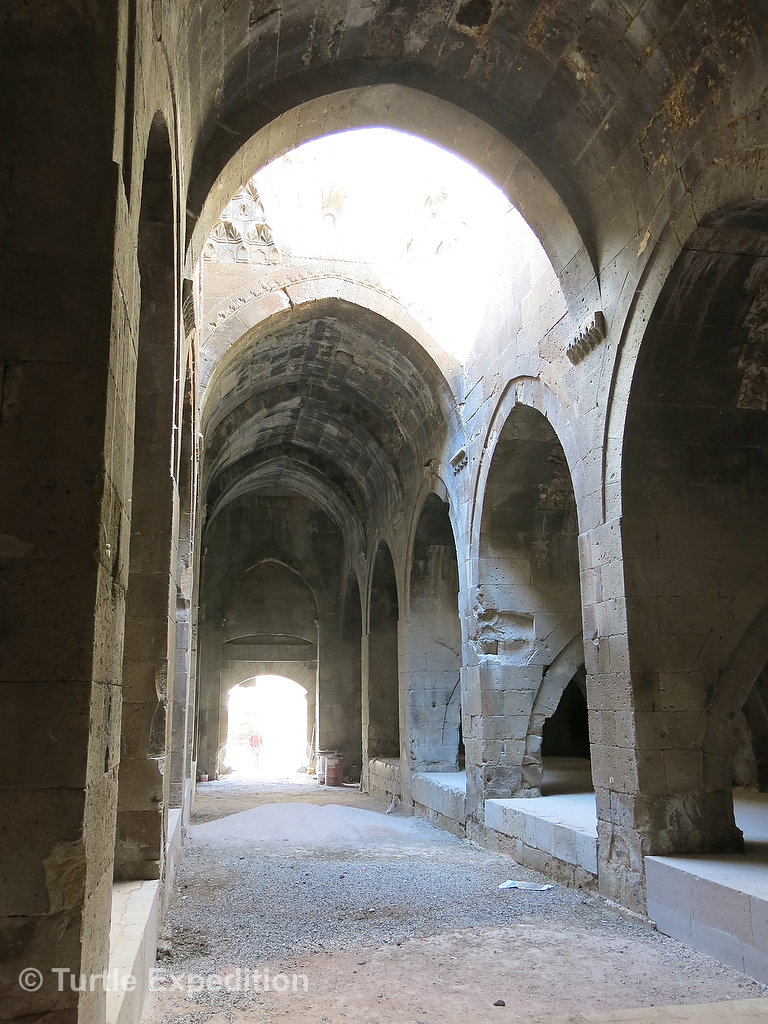
- There were many graceful archways leading to interior rooms and storage areas.
-
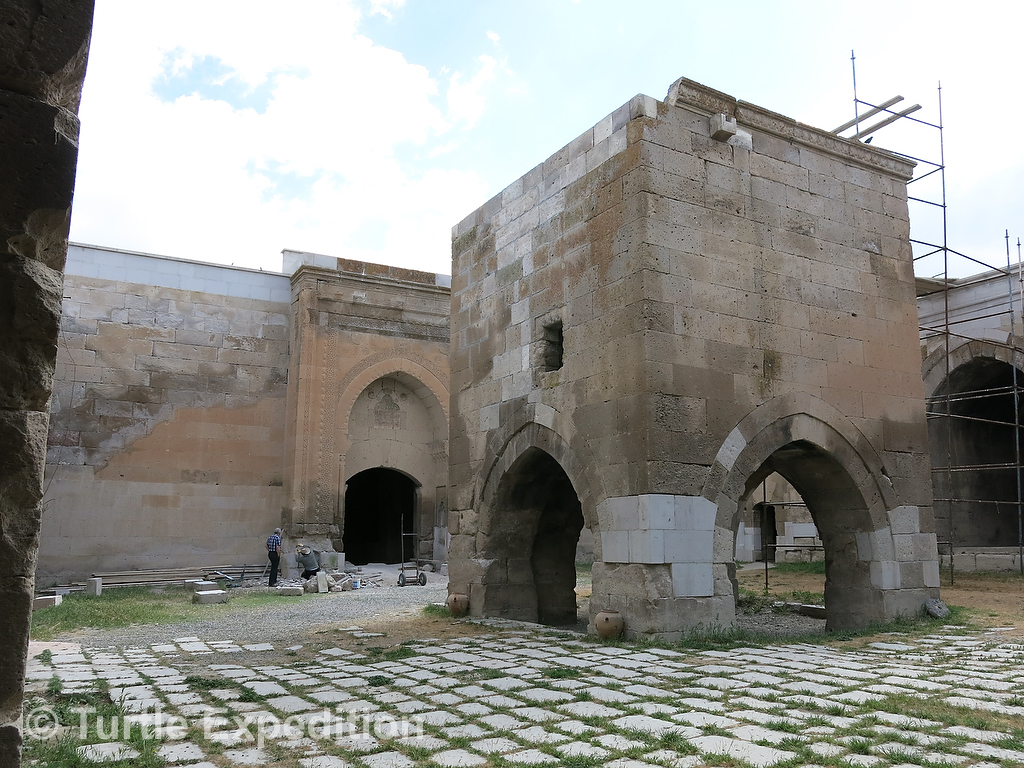
- Typical of larger caravanserais, there was a small mosque or place of worship in the center of the main courtyard.
-
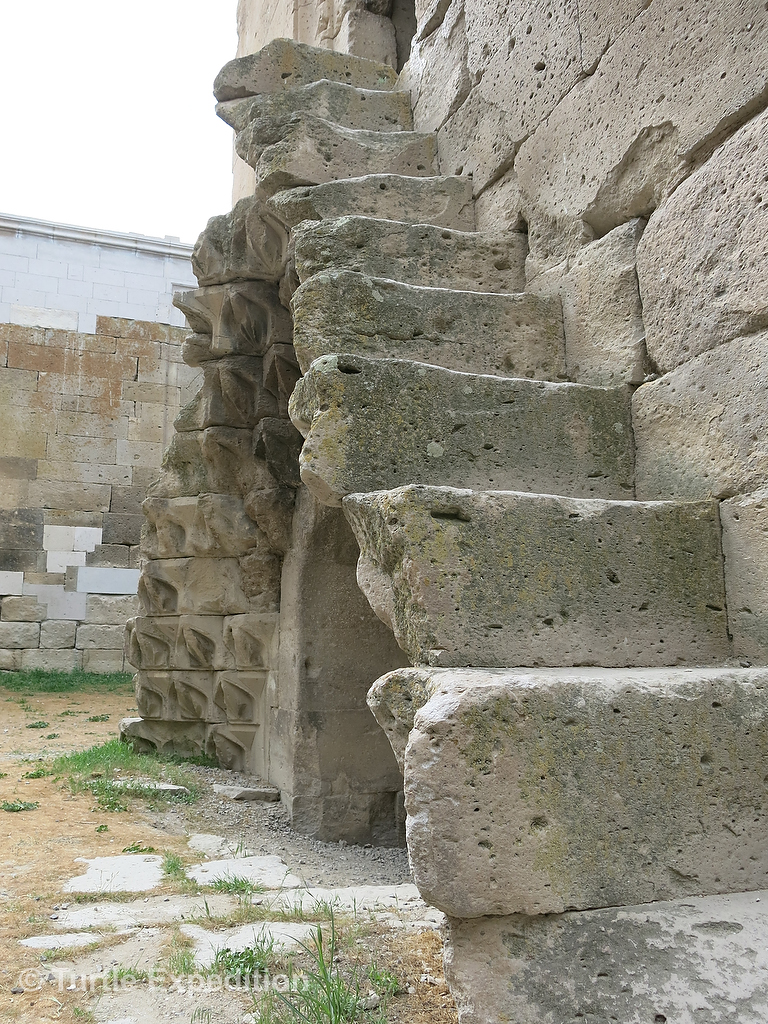
- Stone steps leading up to the second floor of the mosque showed the wear of many footsteps.
-
- Monika could not resist adding her own.
-
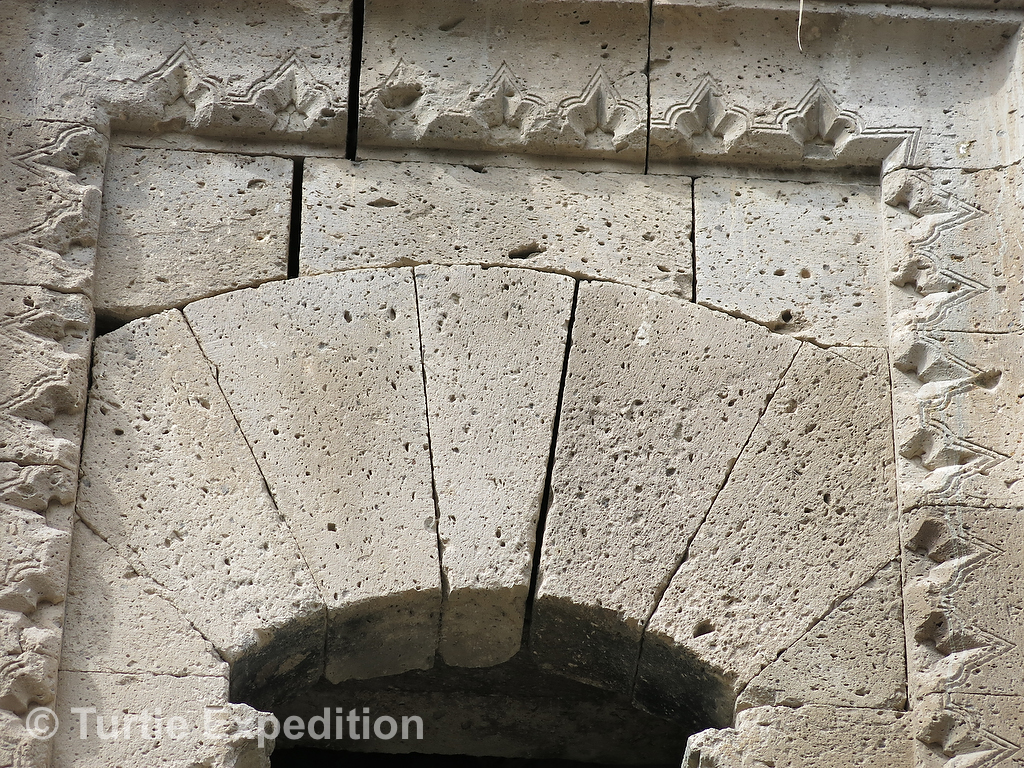
- Another one of those beautiful keystone arches, Gary’s favorite.
-
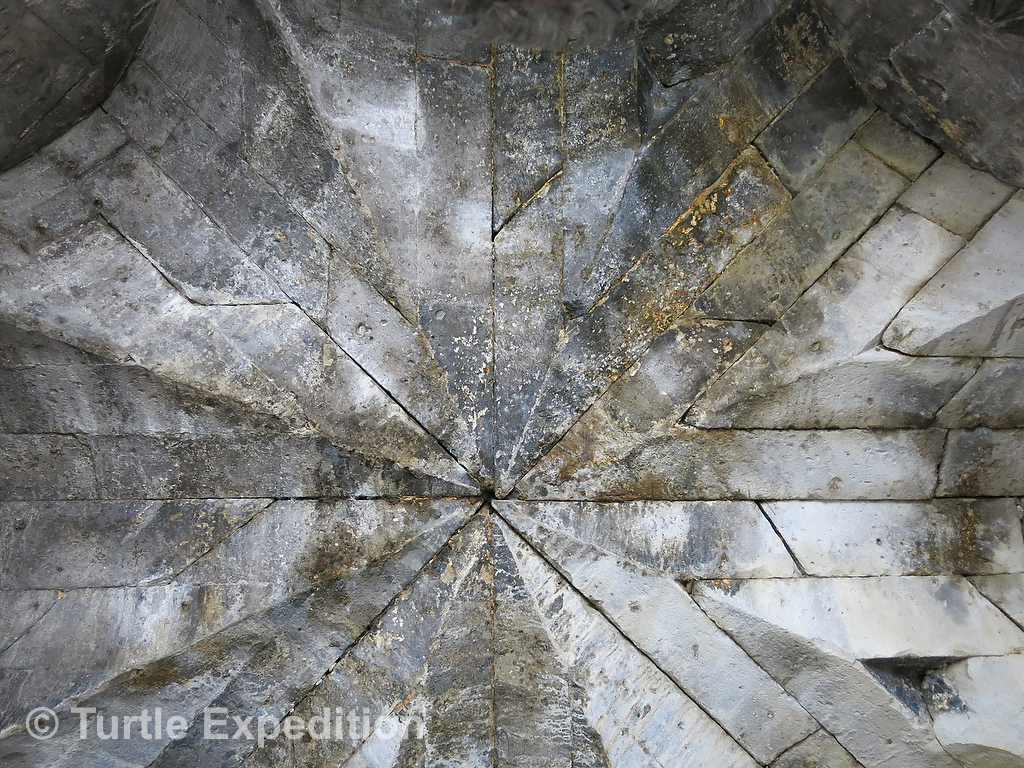
- The dome in the interior of the mosque was a masterpiece of architectural stonework.
-
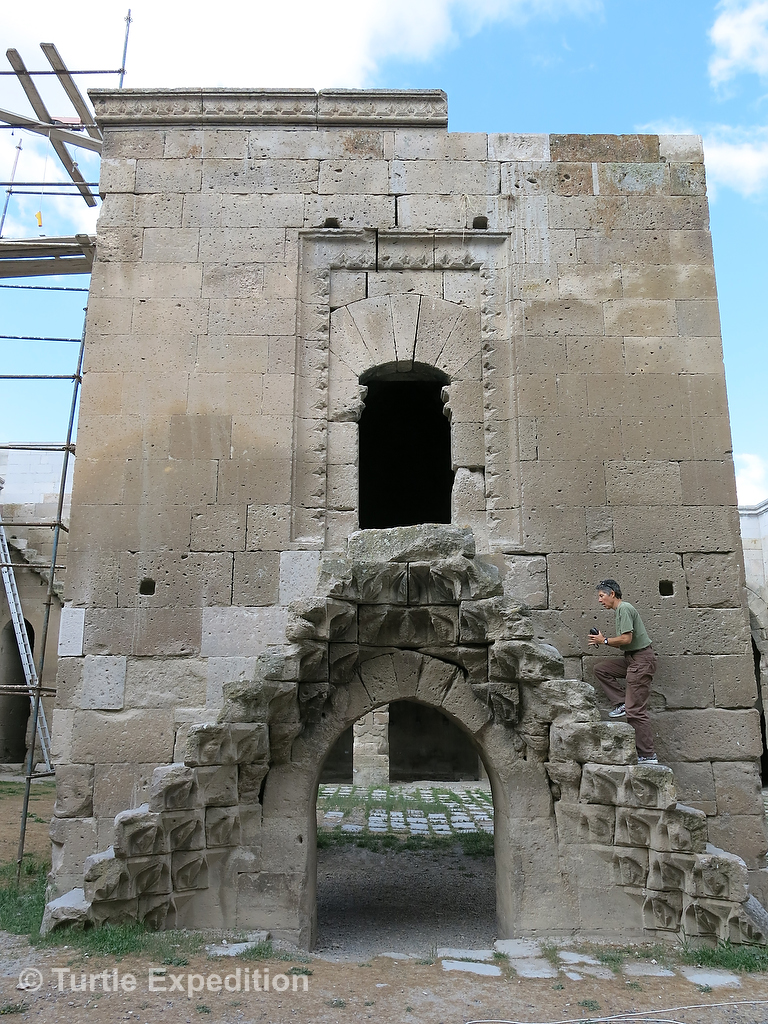
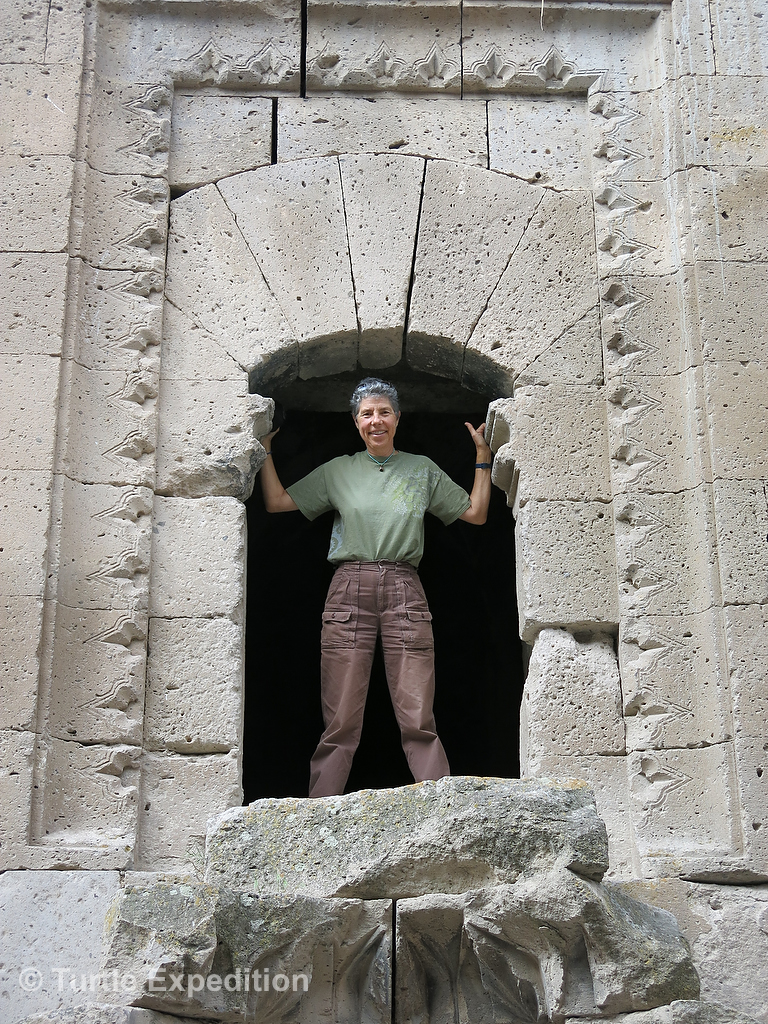
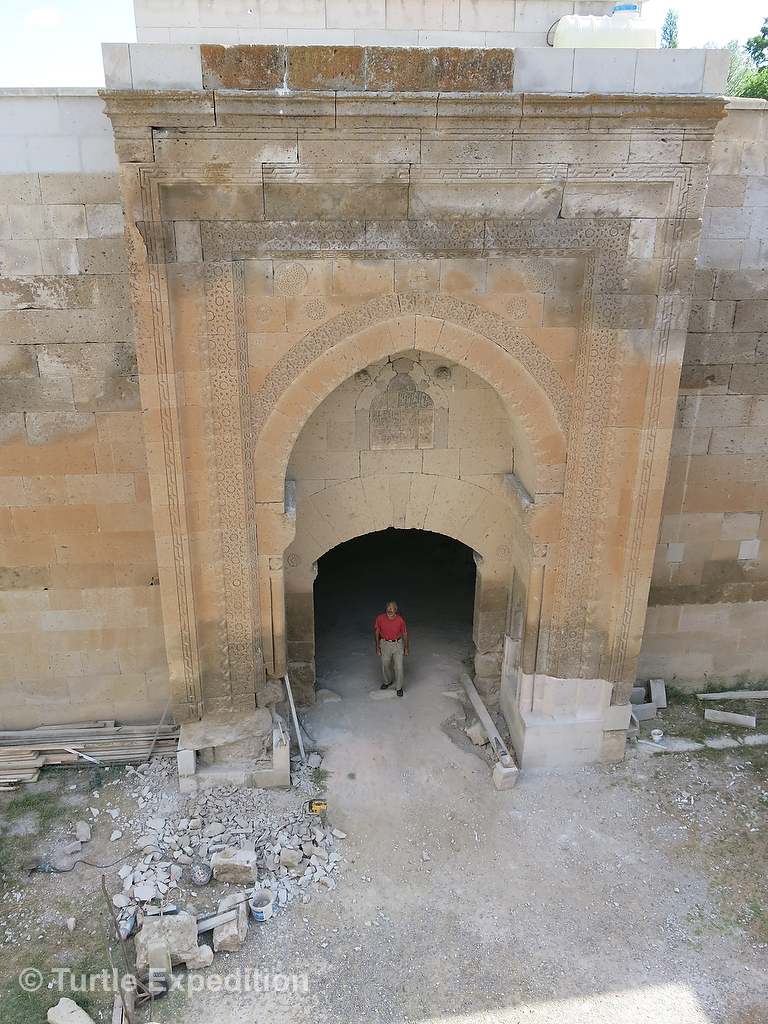
- Gary is inspecting the inside of the Hoca Mesut Caravanserai’s arched entry tower.
-
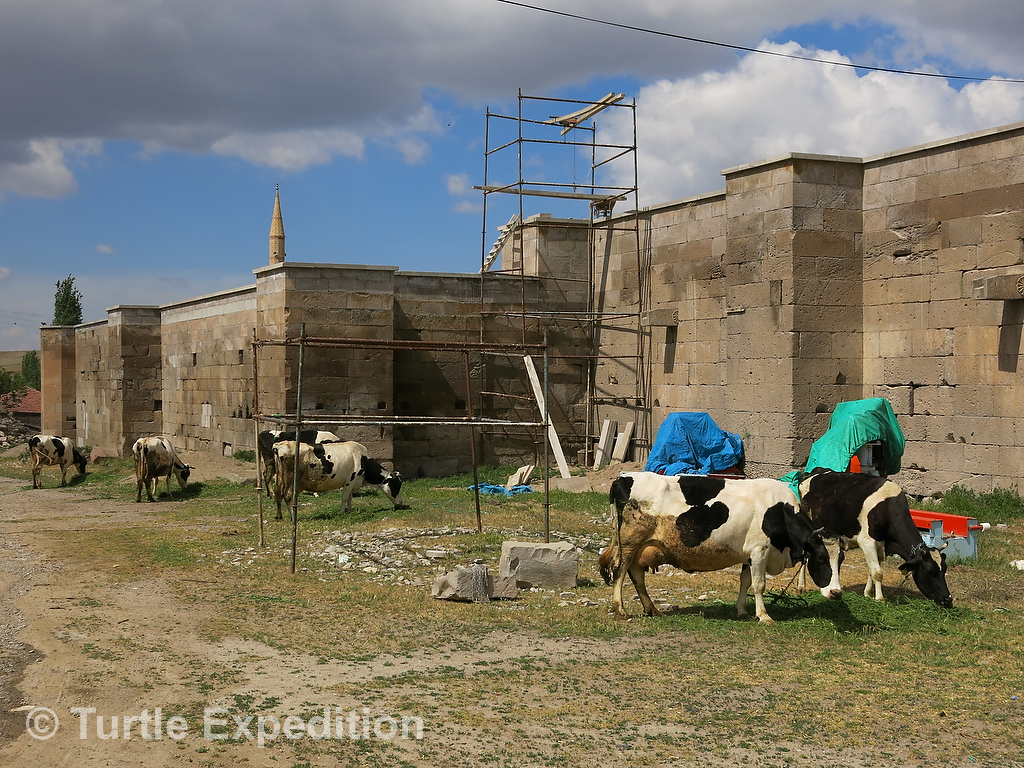
- Cows nibbled at the grass where once herds of camels grazed.
-
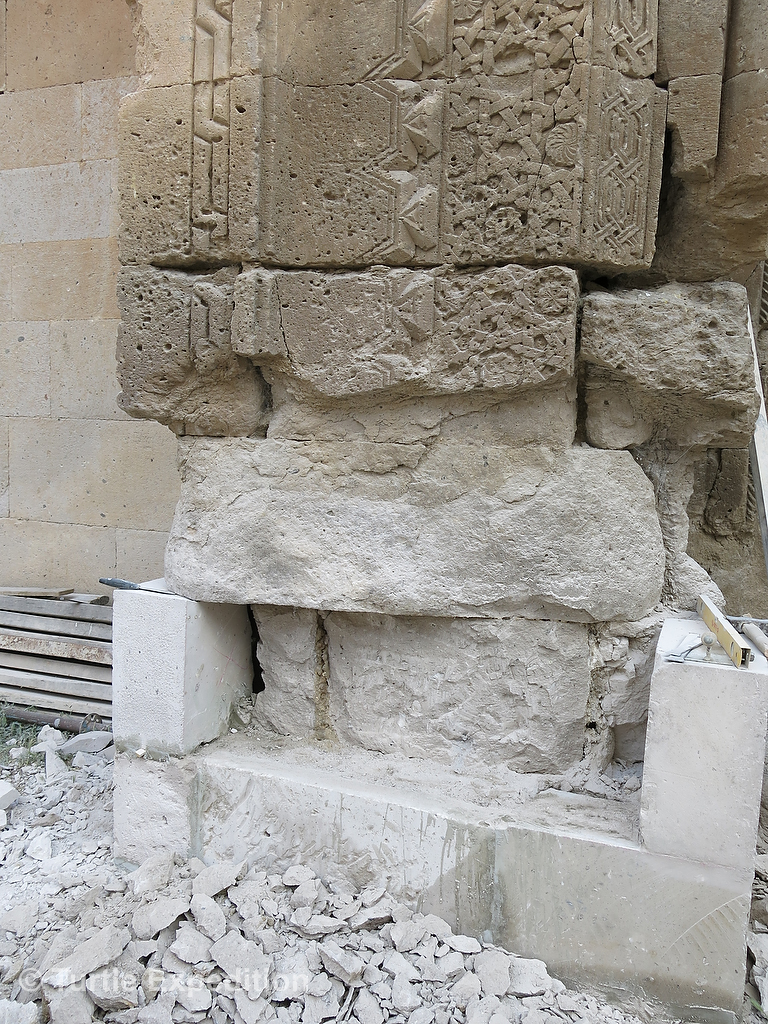
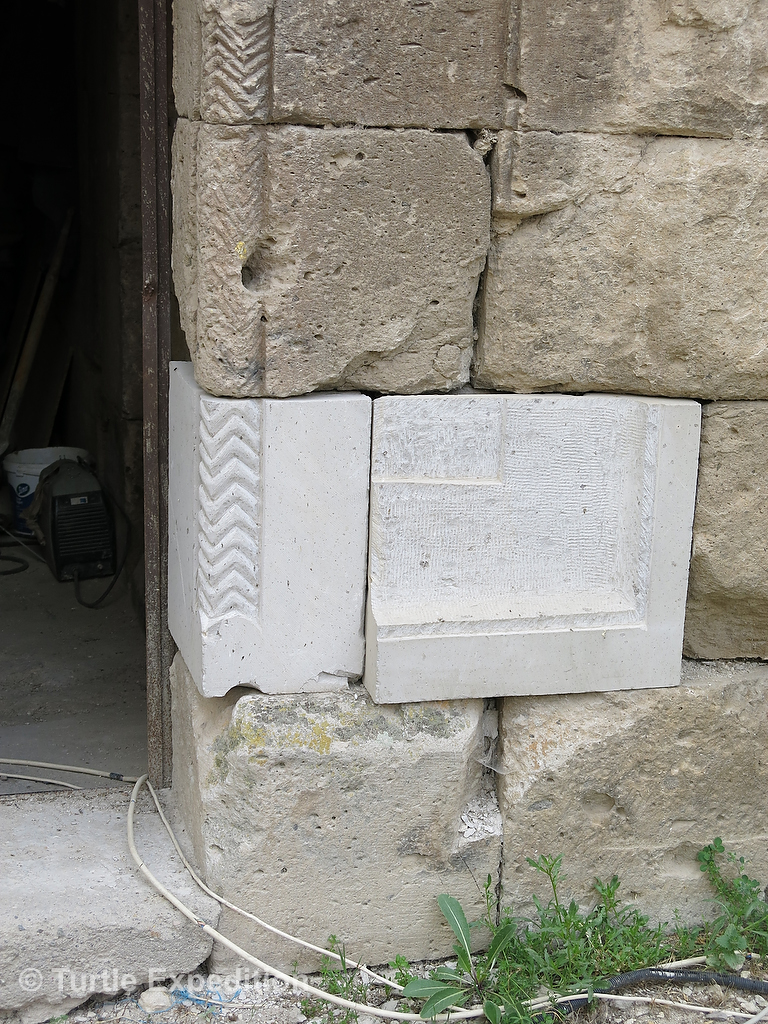
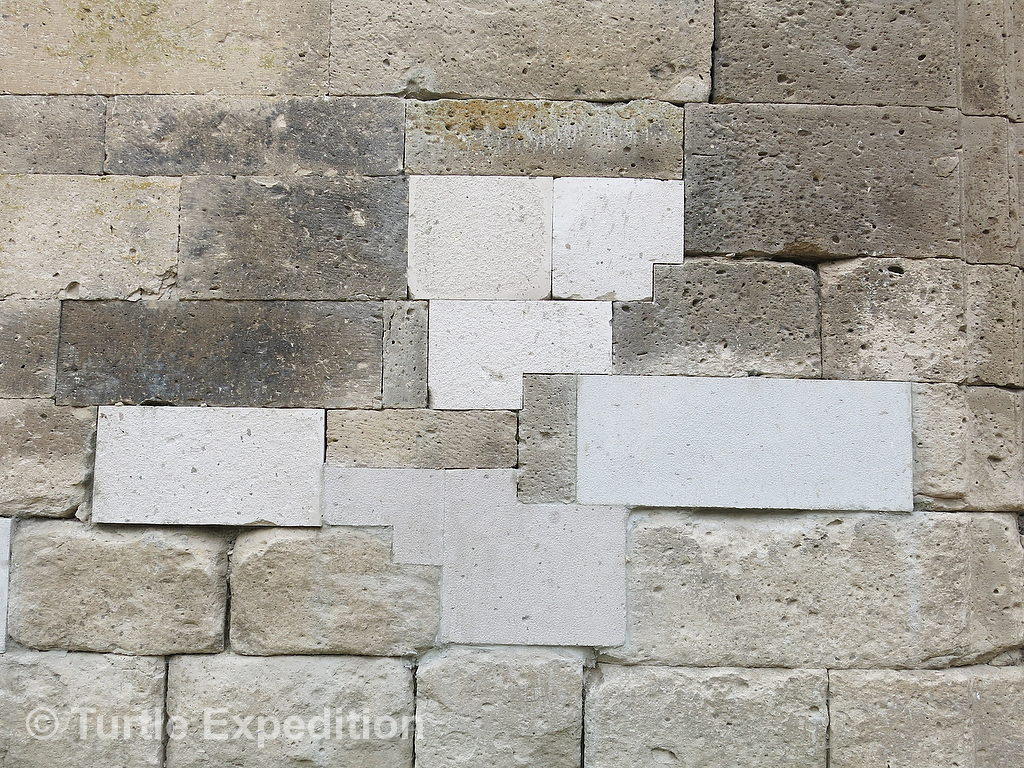
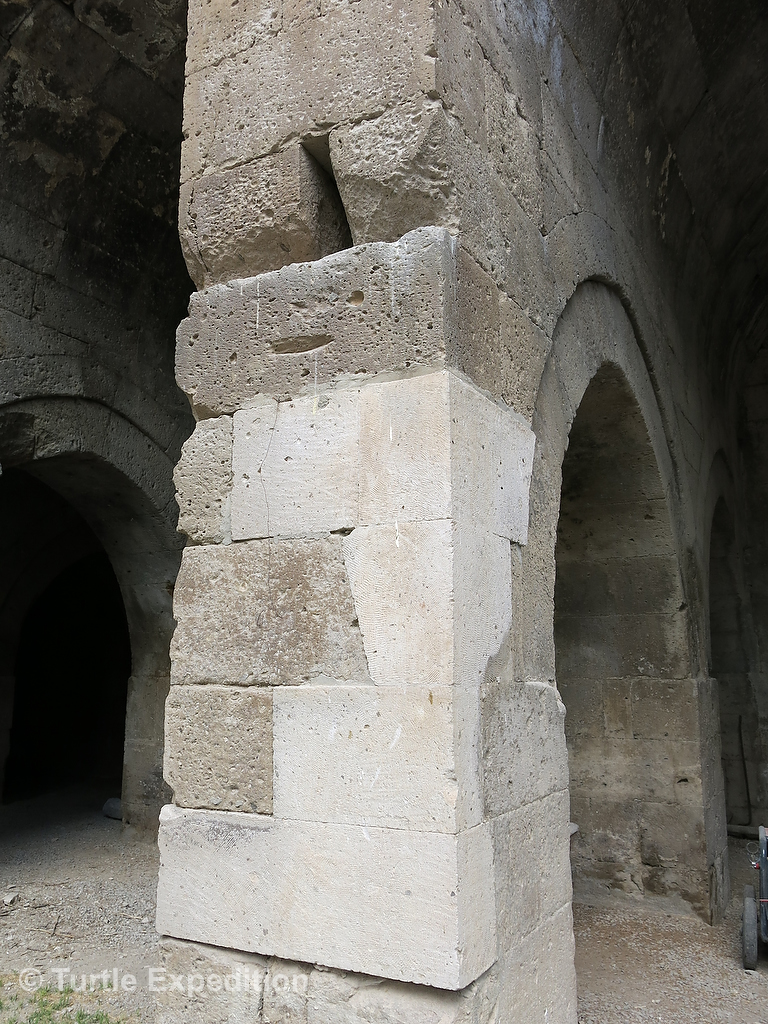
- Carefully cut stones are fitted with much patience.
-
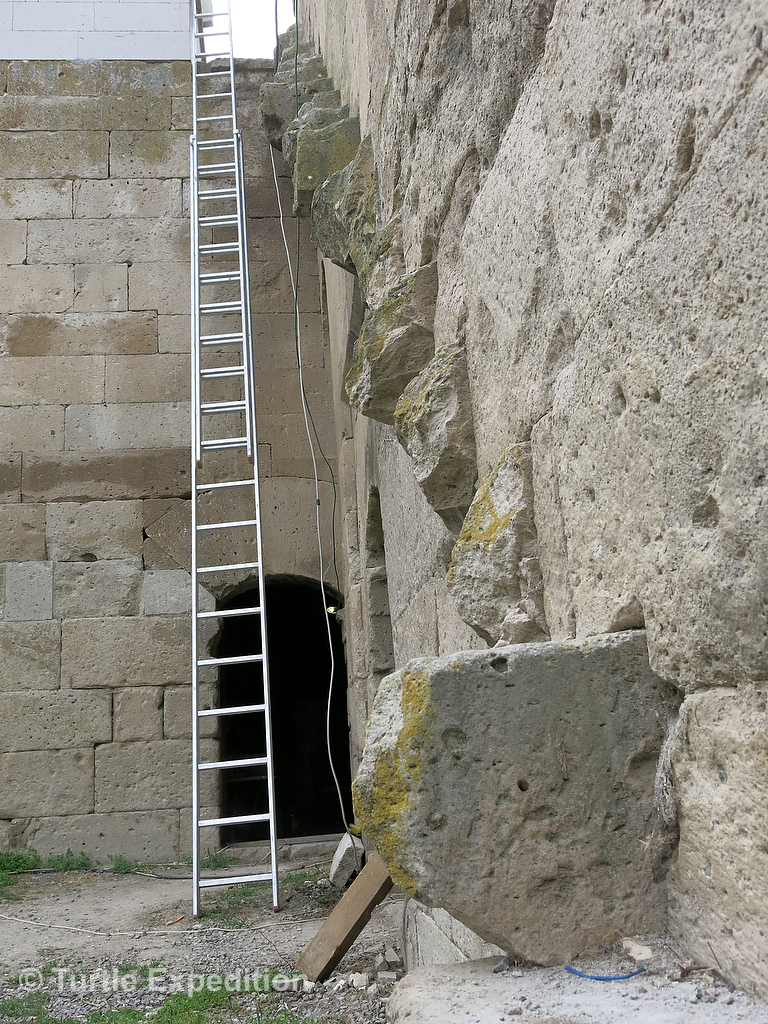
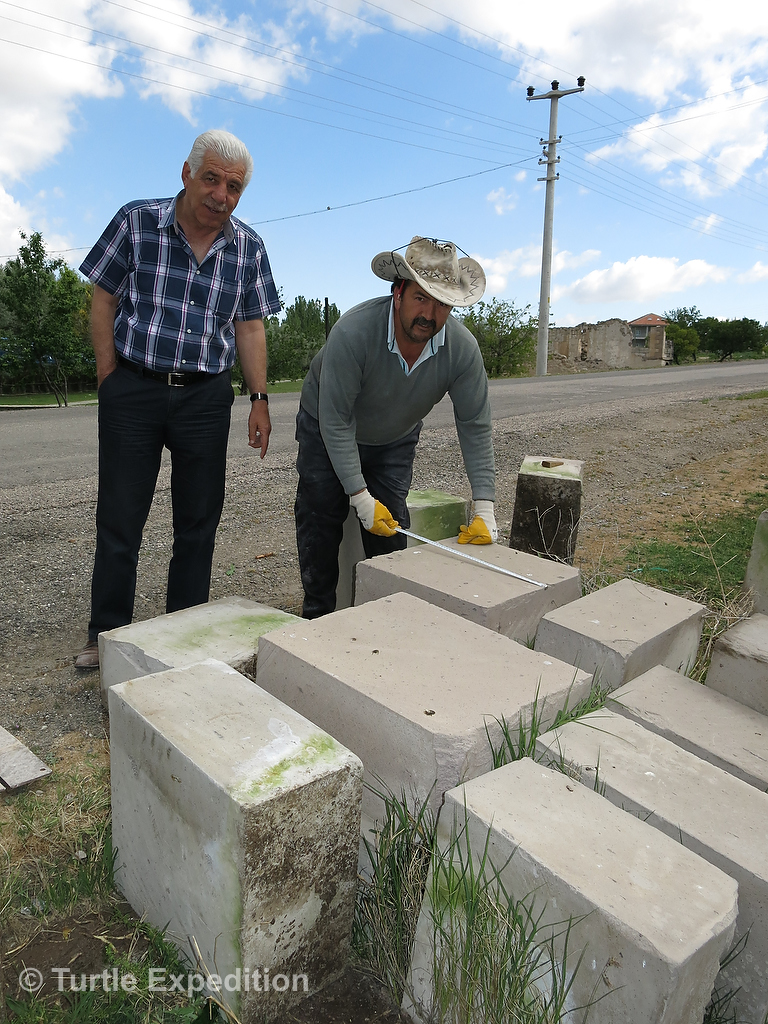
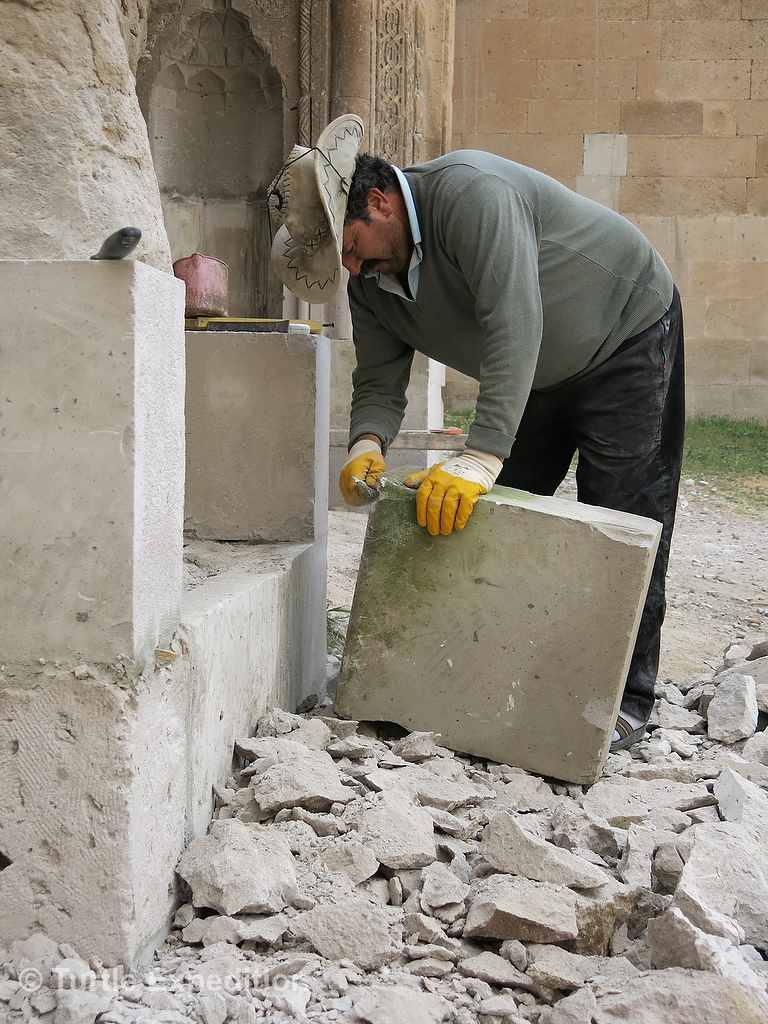
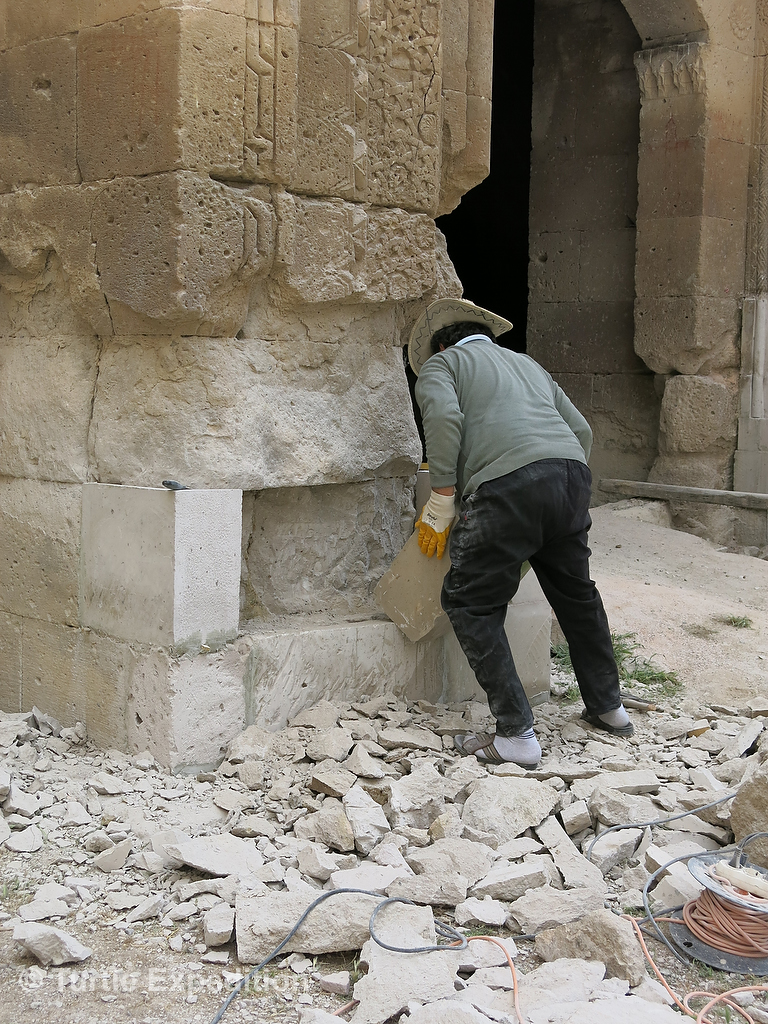
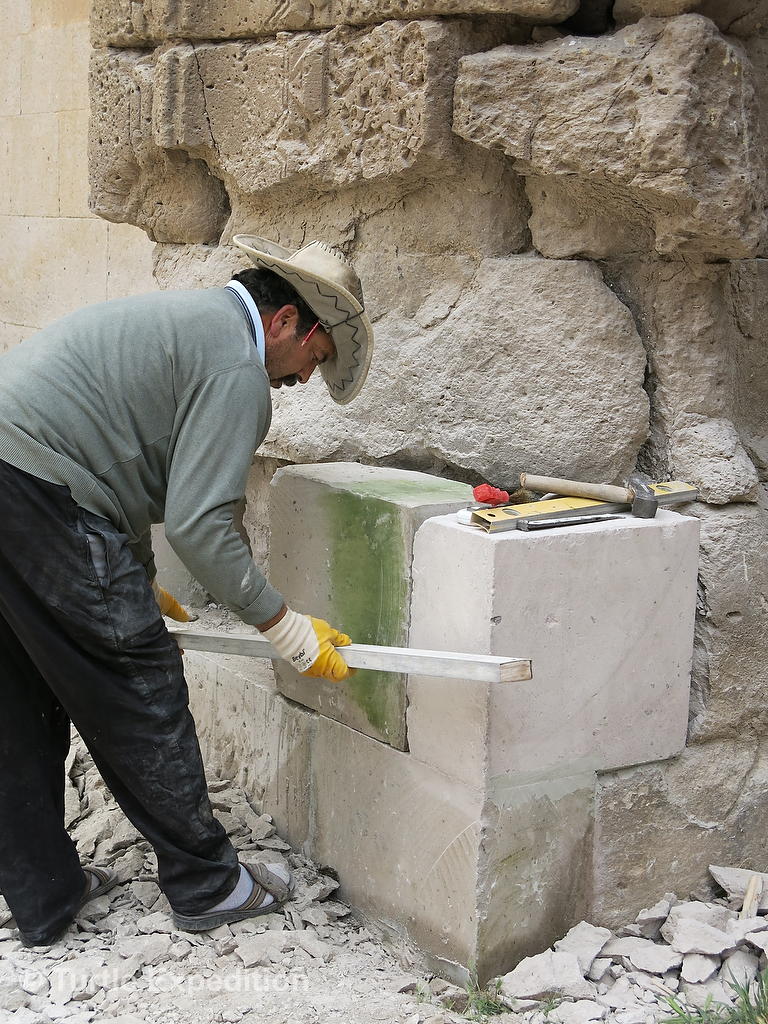
- The ongoing process of restoration at the magnificent Hoca Mesut caravanserai is labor-intensive work for master craftsmen and archaeologists.
-
- A ladder replaces the old stone steps set into the side of the wall.
-
- Each pre-cut block of stone must be precisely measured and trimmed to the exact fit before being carefully lifted into place.
-
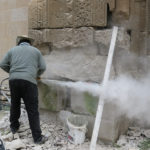
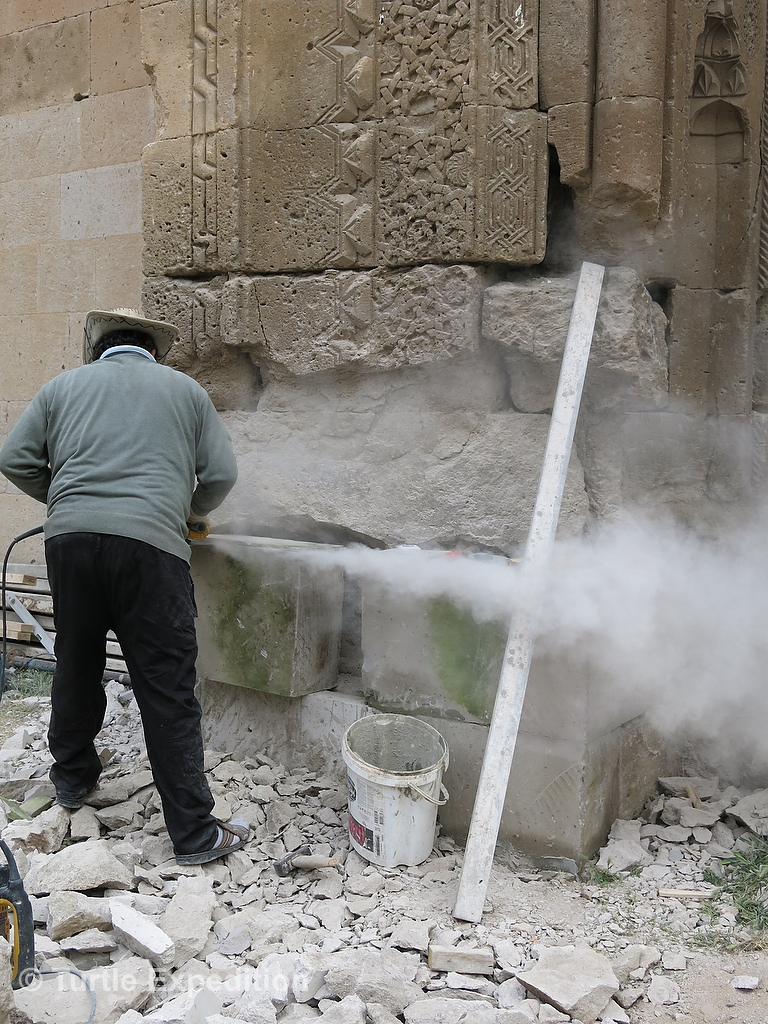
- An air-powered grinder was used for final fitting detail. We wondered how these amazing buildings were constructed without this kind of equipment.
-
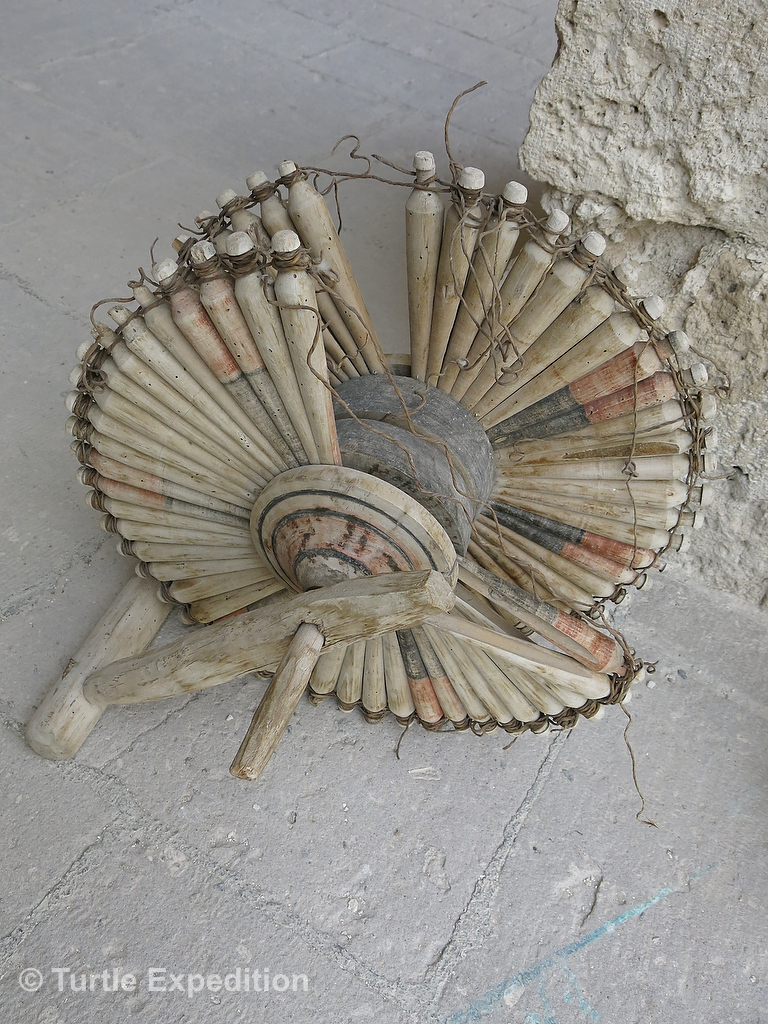
- Our good friend Huseyin in Istanbul did some research and explained to us that the Cappadocia region is very famous for its carpets and this tool is used for winding up the warp yarn for the carpets they make.
-
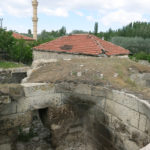
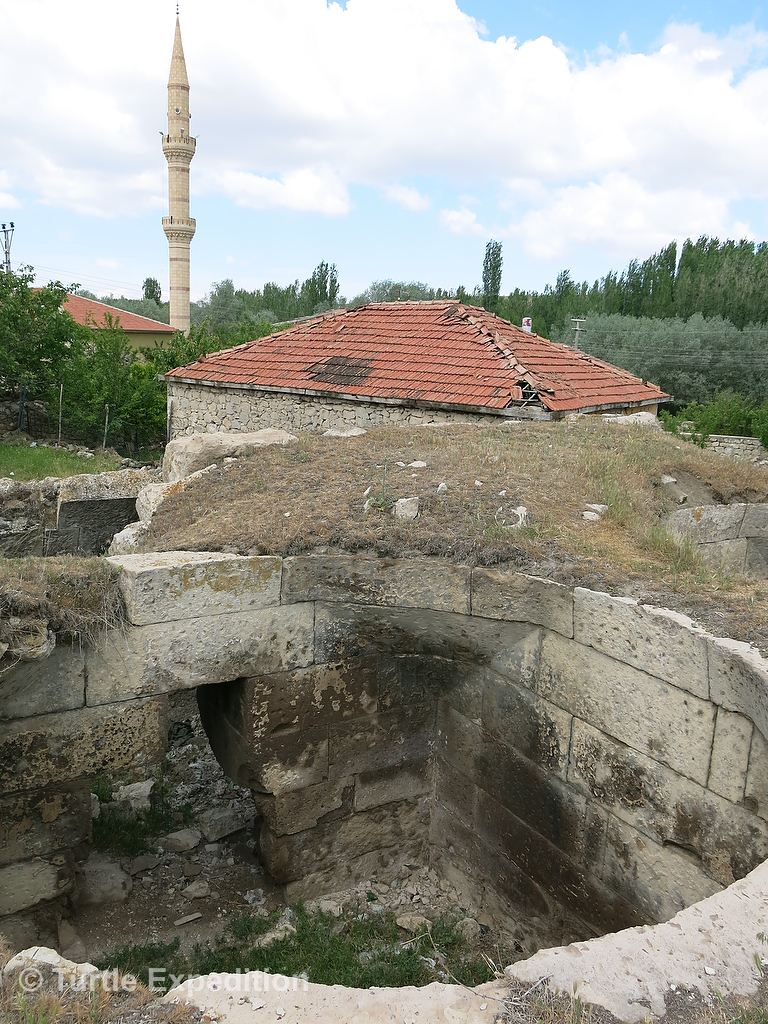
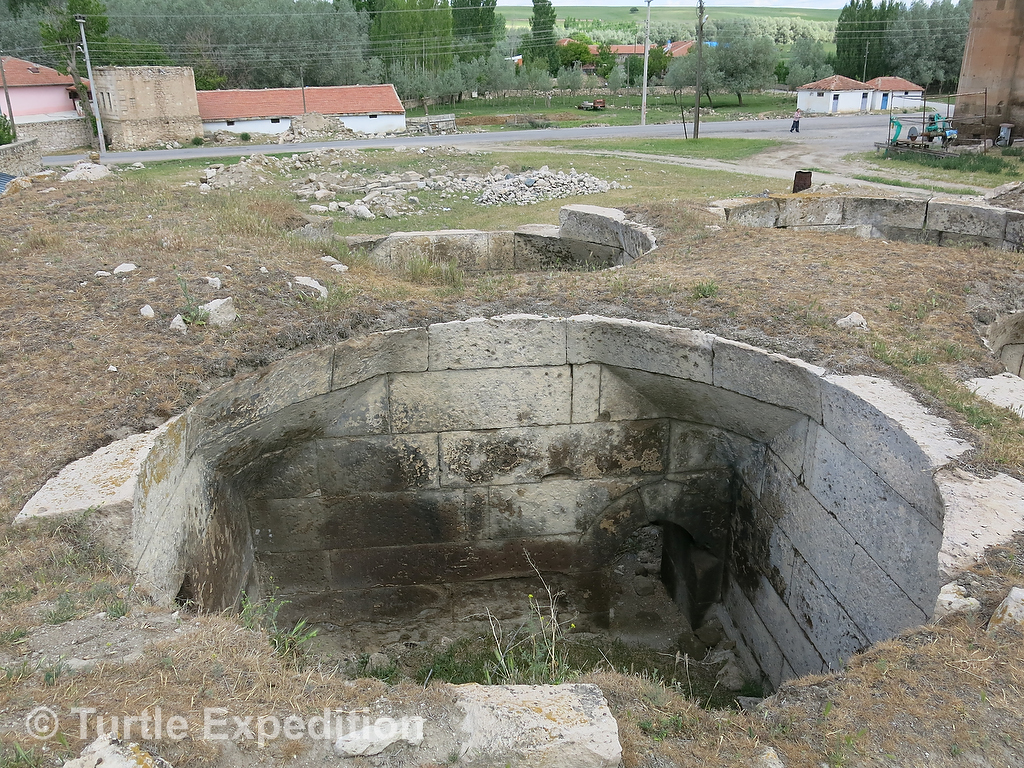
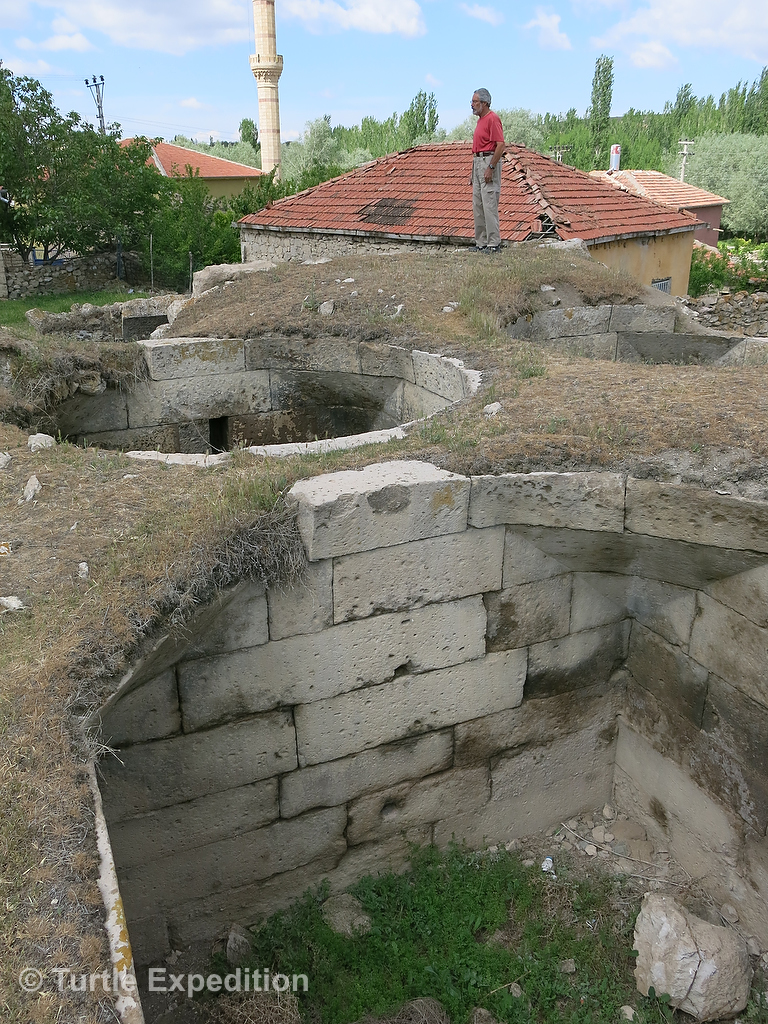
- Water cisterns were critical to the existence of caravanserais and the surrounding villages.
-
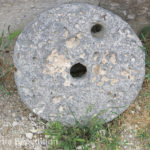
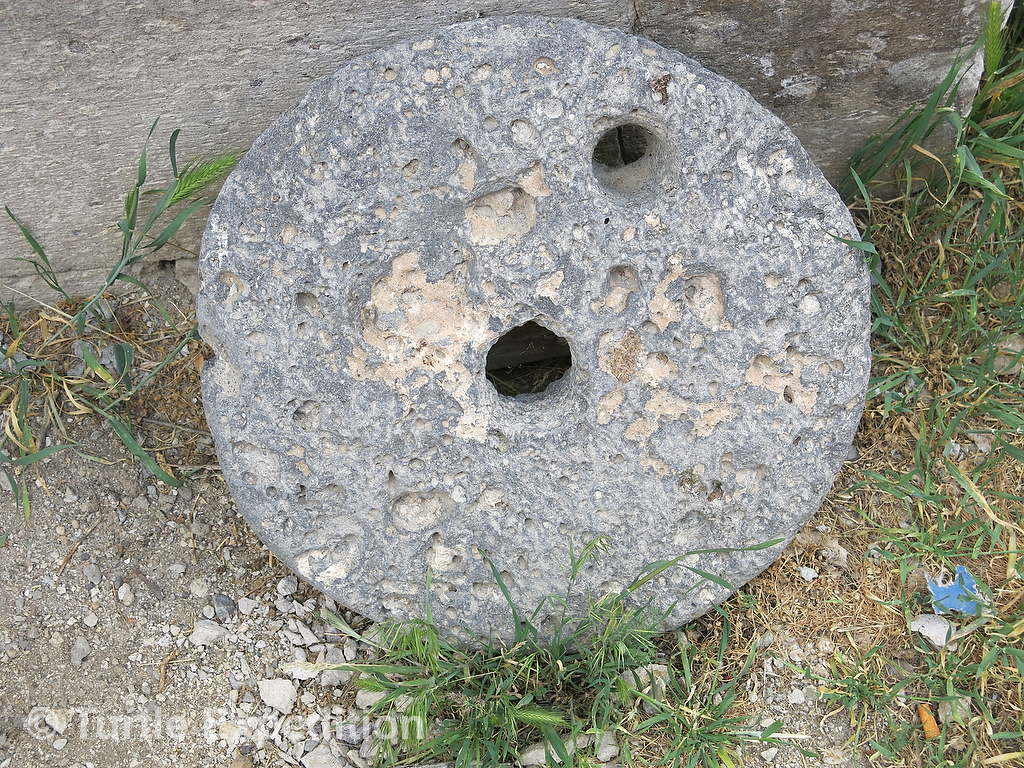
- This is the upper stone of a portable mill. The grain is fed into the center hole and the stone is turned with a stick in the outer hole. We have seen this type of mill used by various cultures thoughout Northern Asia.
-
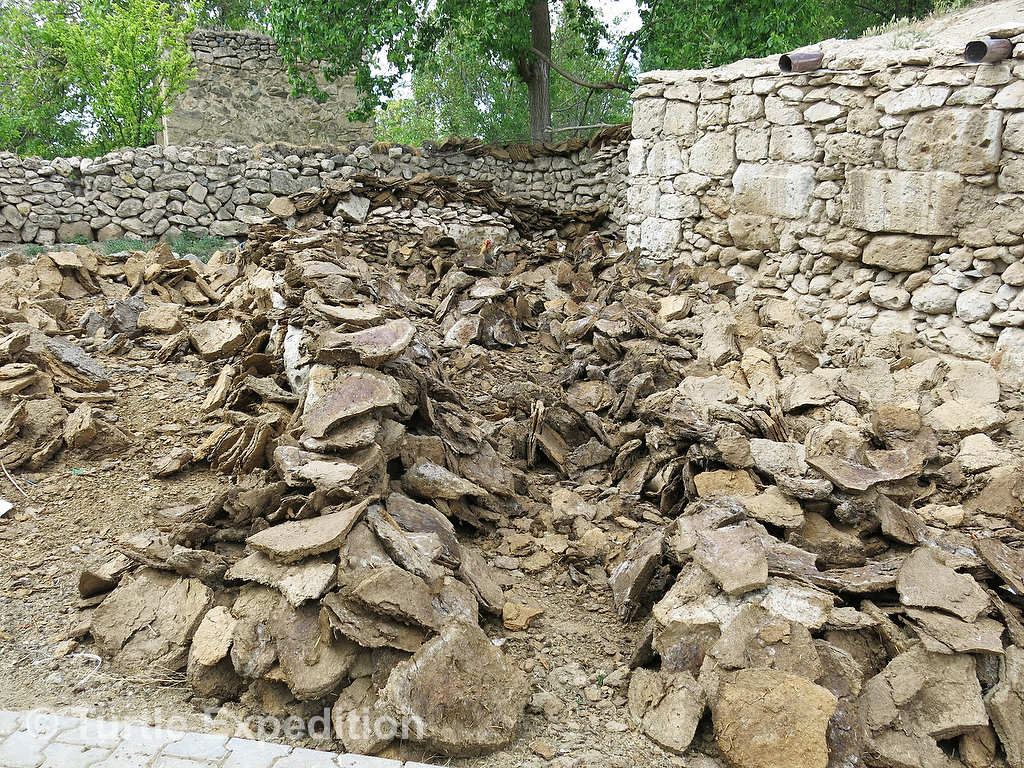
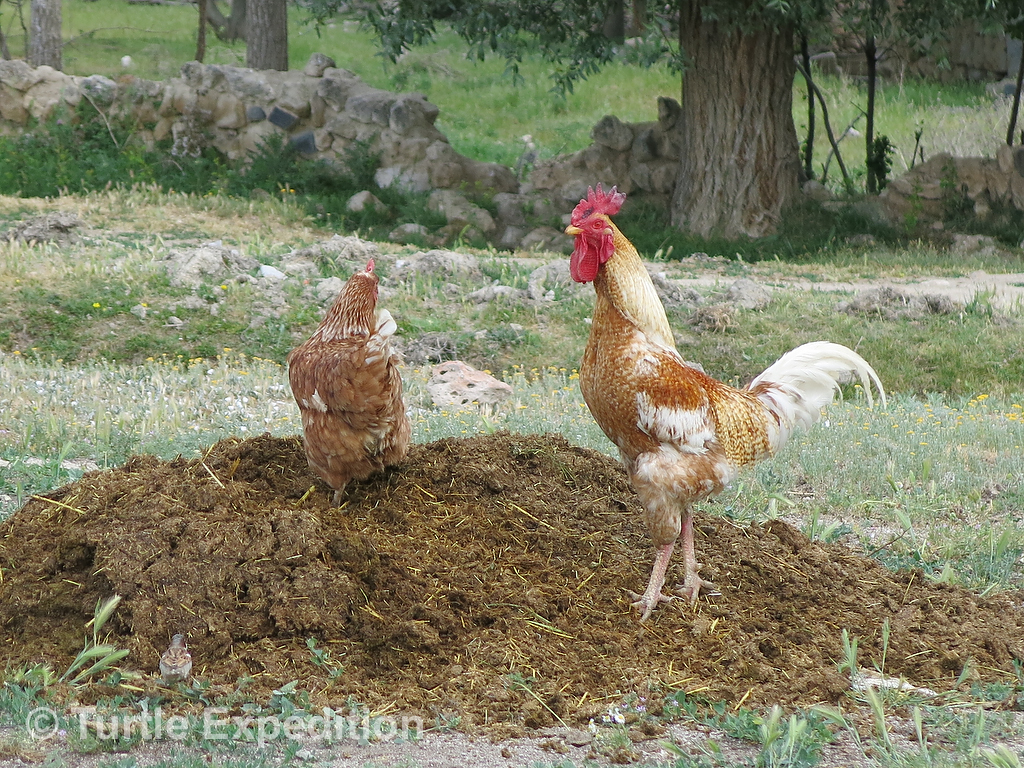
- Even today, cow and horse dung is carefully stored for cooking and heating. Poop patties are neatly stacked outside of homes.
-
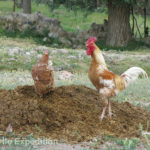
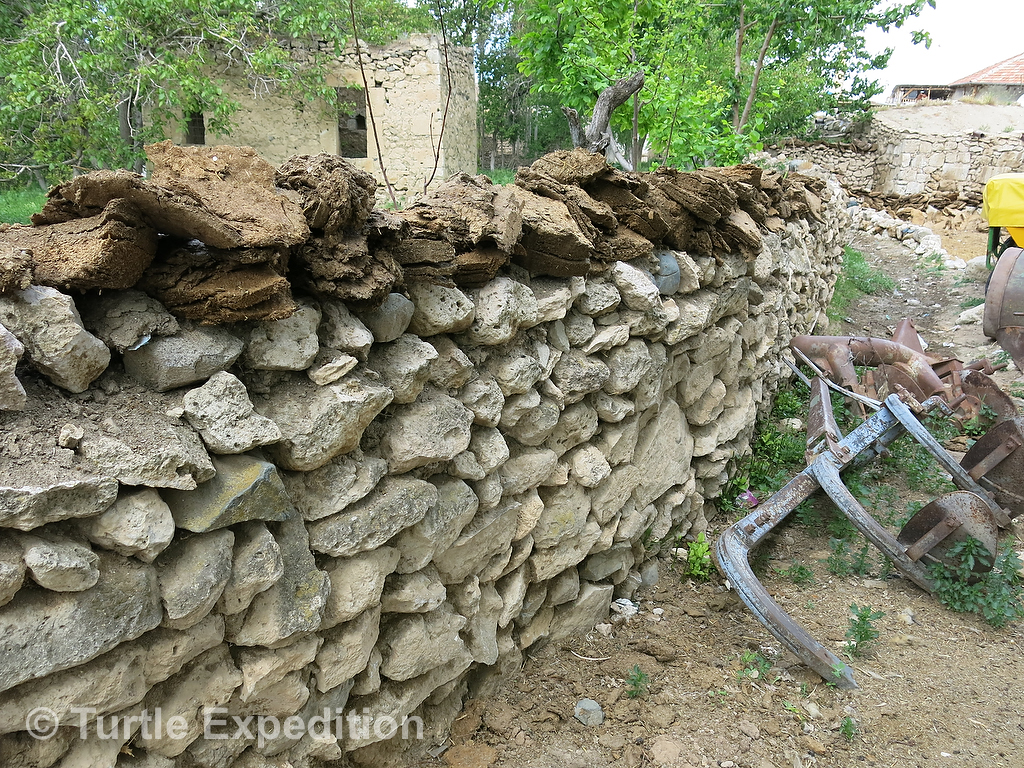
- Manure is also collected for fertilizer. Some things don’t change even after 1,000 years.
-
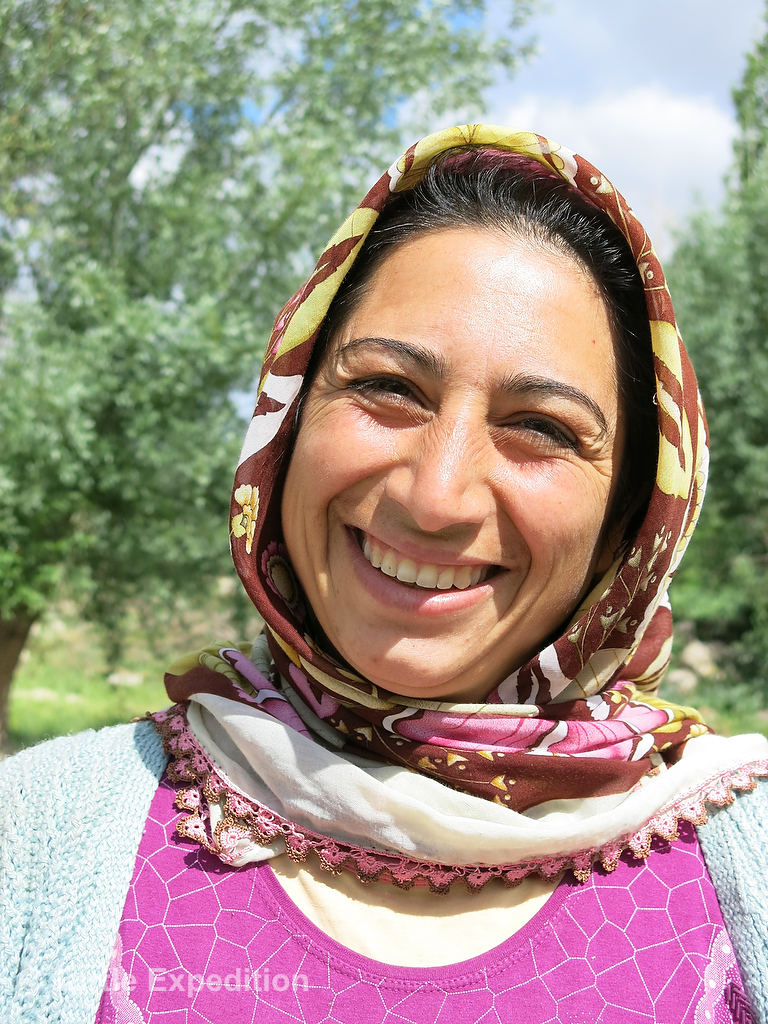
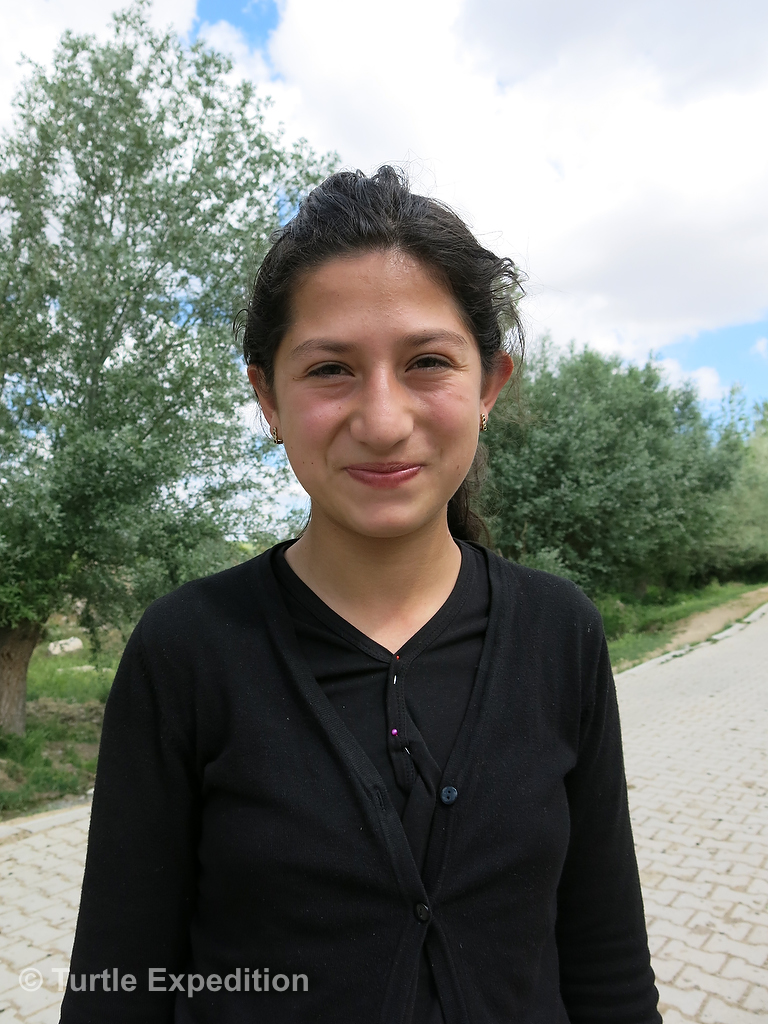
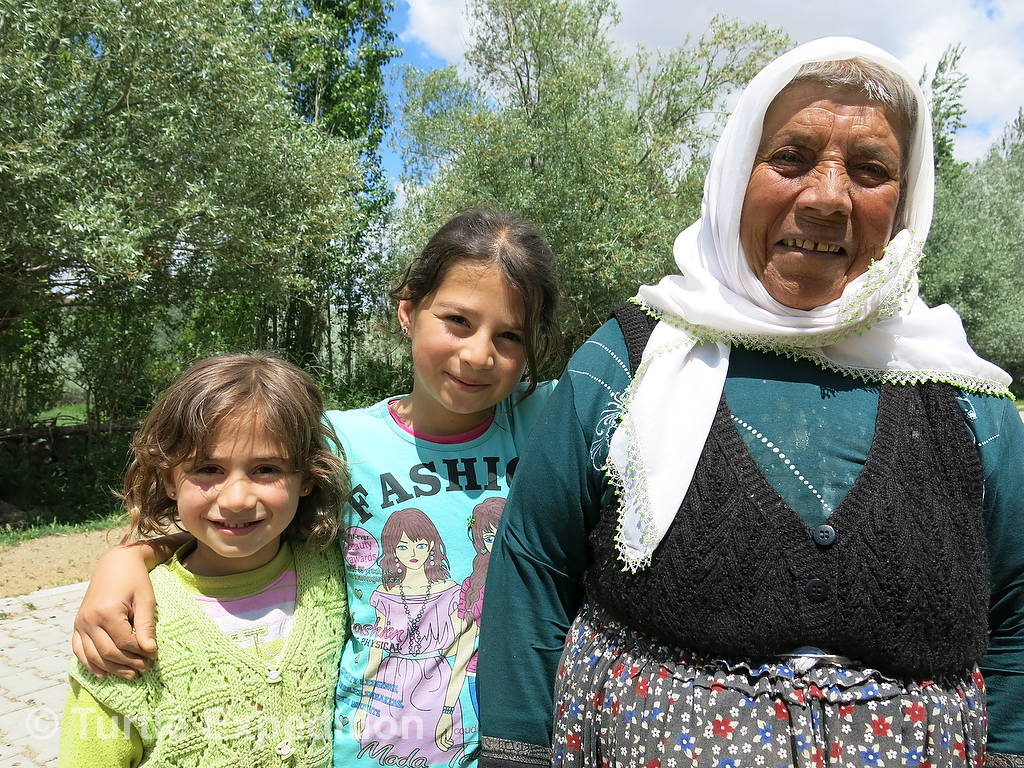
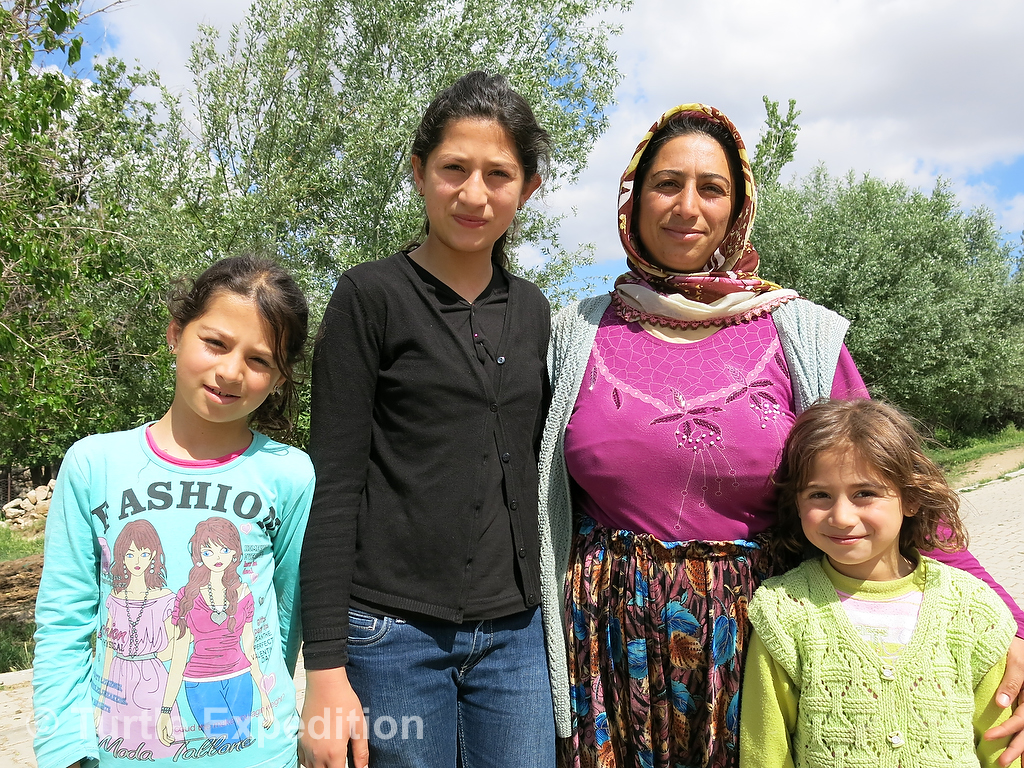
- One of the best parts about camping outside small towns, or in this case in the village surrounding the Hoca Mesut caravanserai, was that it gave us the opportunity to meet local people who always had a welcoming smile.
-
- Even grandma couldn’t resist getting her picture taken with her granddaughters.
-
- Carrying a small photo printer in The Turtle V allowed us to make copies for them and obviously, they were pleased.
-
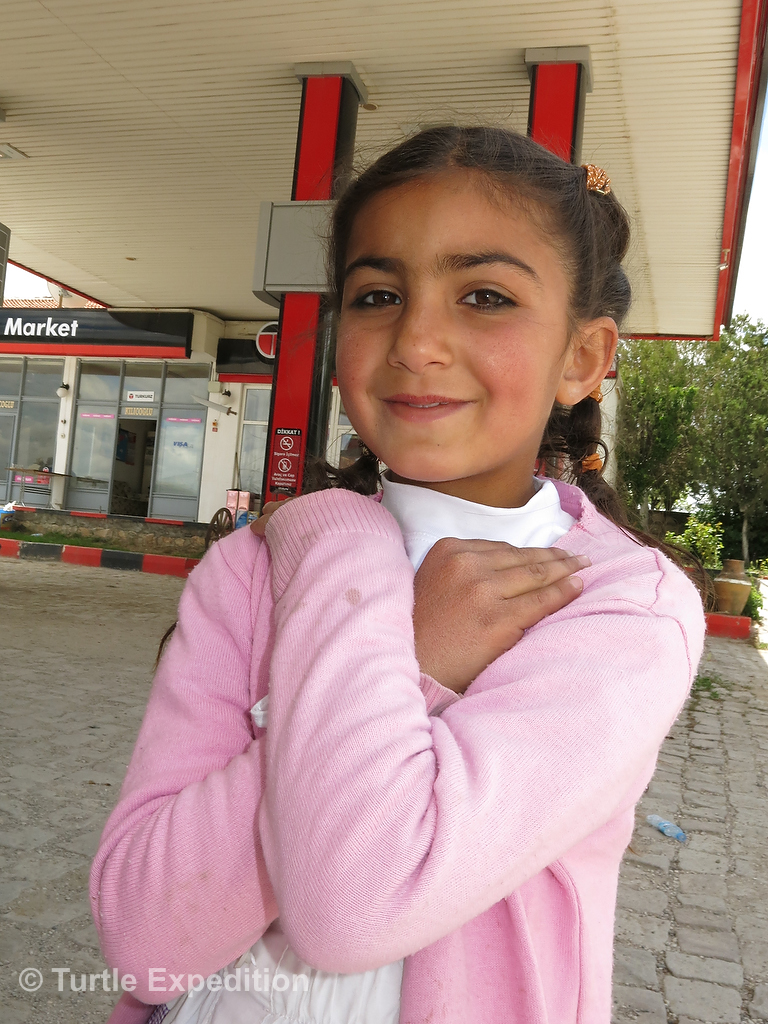
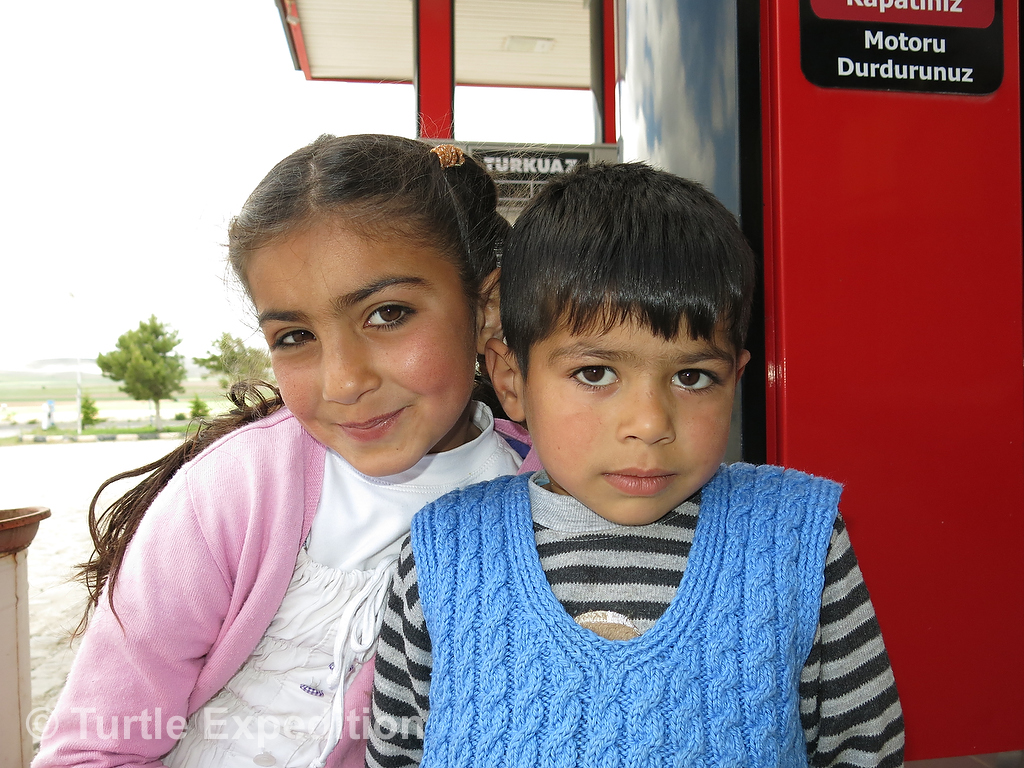
- With the permission of her father, we couldn’t resist snapping a photo of this adorable girl and her brother at a gas station where we stopped to refuel.
-
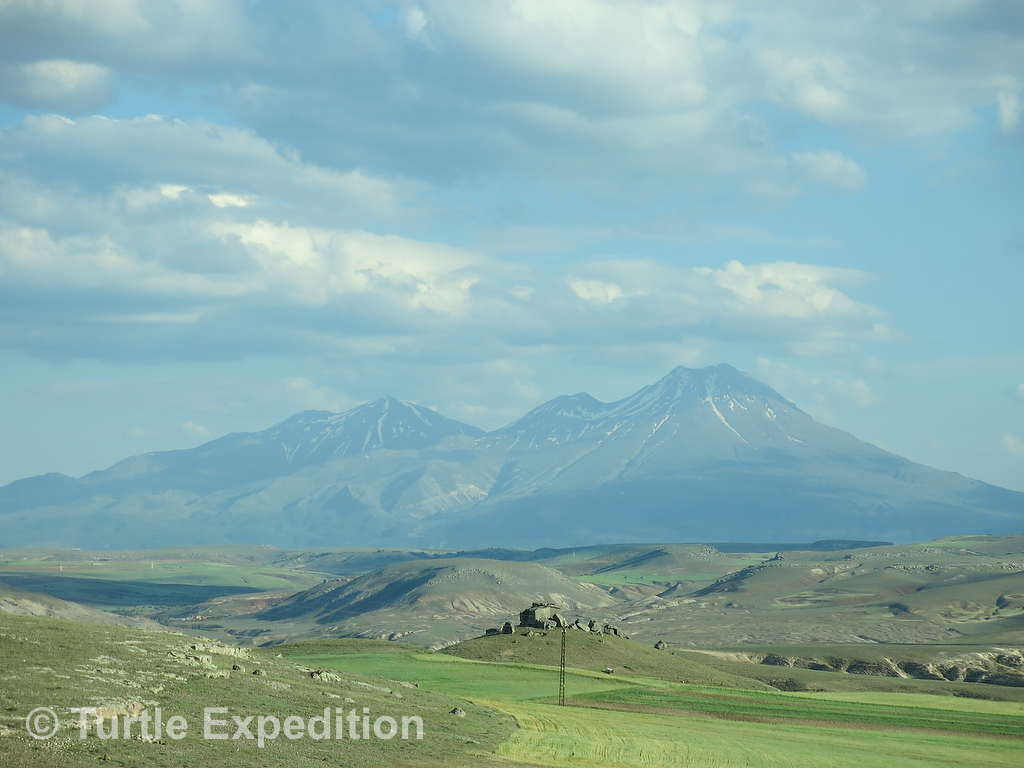
- Traveling through the beautiful backcountry of Turkey, we never had a problem finding a place to wild camp.
-
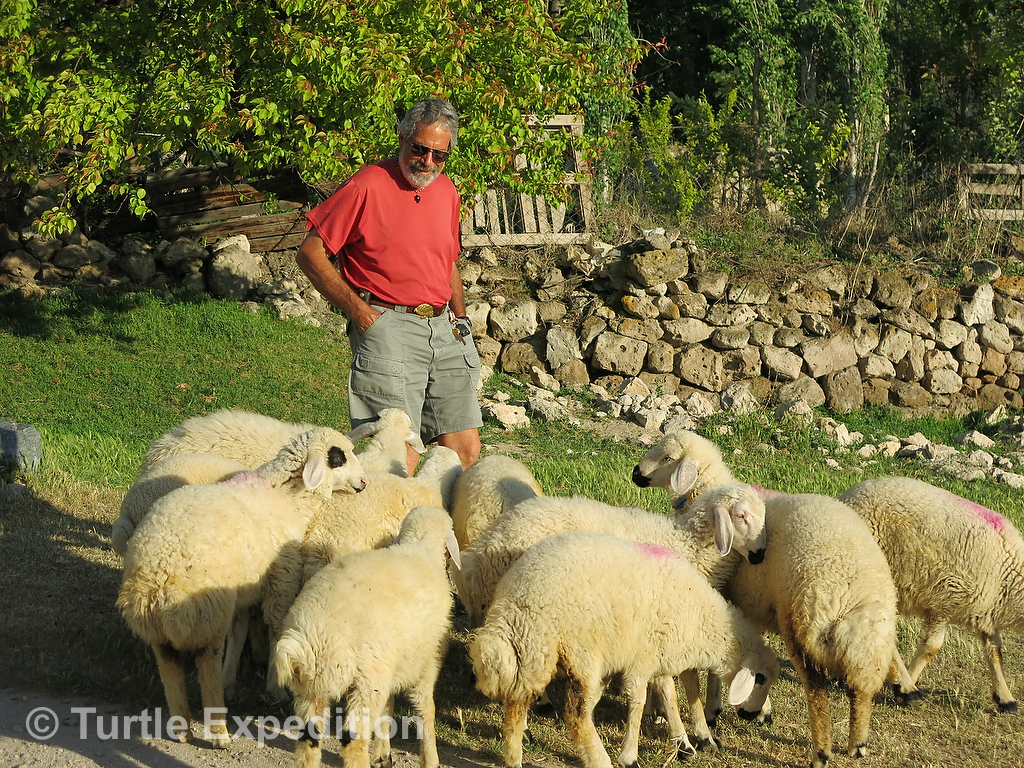
- In addition to meeting the local people, there were always animals that came to say hello.